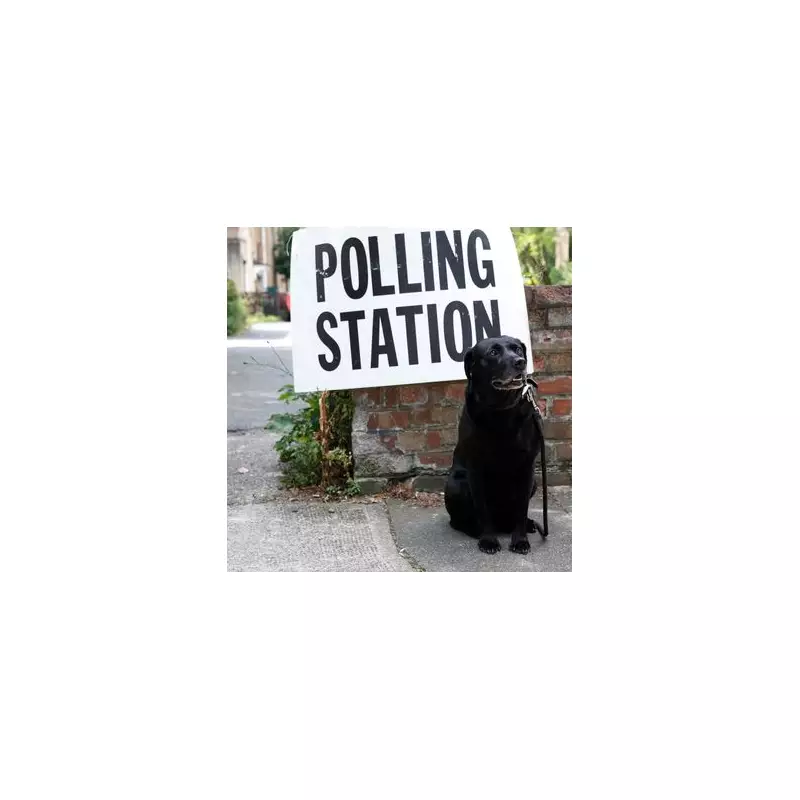
The government has ignited a fierce political row by confirming a significant delay to the inaugural elections for four new English mayoralties, pushing them back to 2028. The decision, announced by Local Government Secretary Steve Reed, has been met with immediate accusations from opposition parties of an assault on local democracy.
Foundations First or Democratic Delay?
In a written statement on Thursday, Steve Reed confirmed the postponement for the planned mayoral combined authorities of Sussex and Brighton, Hampshire and the Solent, Norfolk and Suffolk, and Greater Essex. He argued that the delay is necessary to allow these areas to complete a complex process of local government reorganisation before mayors take office.
"Devolution is strongest when it is built on strong foundations," Reed stated. The government's position is that establishing robust unitary council structures must come first. This move follows similar agreed delays for Cheshire and Warrington and Cumbria, where elections are now set for May 2027.

A Cross-Party Backlash Erupts
The announcement triggered a furious and immediate backlash. The Conservatives, Reform UK, and the Liberal Democrats united in condemnation, branding the move a "cancellation of democracy." This means millions of voters in the affected regions will not have a direct say in choosing their new metro mayor for several more years.
Liberal Democrat local government spokeswoman Zoe Franklin declared: "Democracy delayed is democracy denied. We are fighting to end this blatant stitch-up between Labour and the Conservatives over local elections." The criticism underscores the contentious nature of the government's devolution timetable.
Funding and Further Context
Amid the controversy, Local Government Minister Miatta Fahnbulleh also revealed a new £200 million annual funding pot for the next three decades, to be divided between six English regions. The government maintains the election delay is purely a technical necessity.
Children’s Minister Josh MacAlister defended the decision, calling opposition claims "frankly, ludicrous." He insisted the government did not want to "rush" the reorganisation of local authorities. This delay follows a previous postponement of council elections in nine areas—including East Sussex, Essex, and Norfolk—from this year to 2026, also linked to reorganisation.
The row places the government's ambitious devolution agenda under intense scrutiny, balancing the desire for stable institutional foundations against the fundamental democratic principle of timely elections.