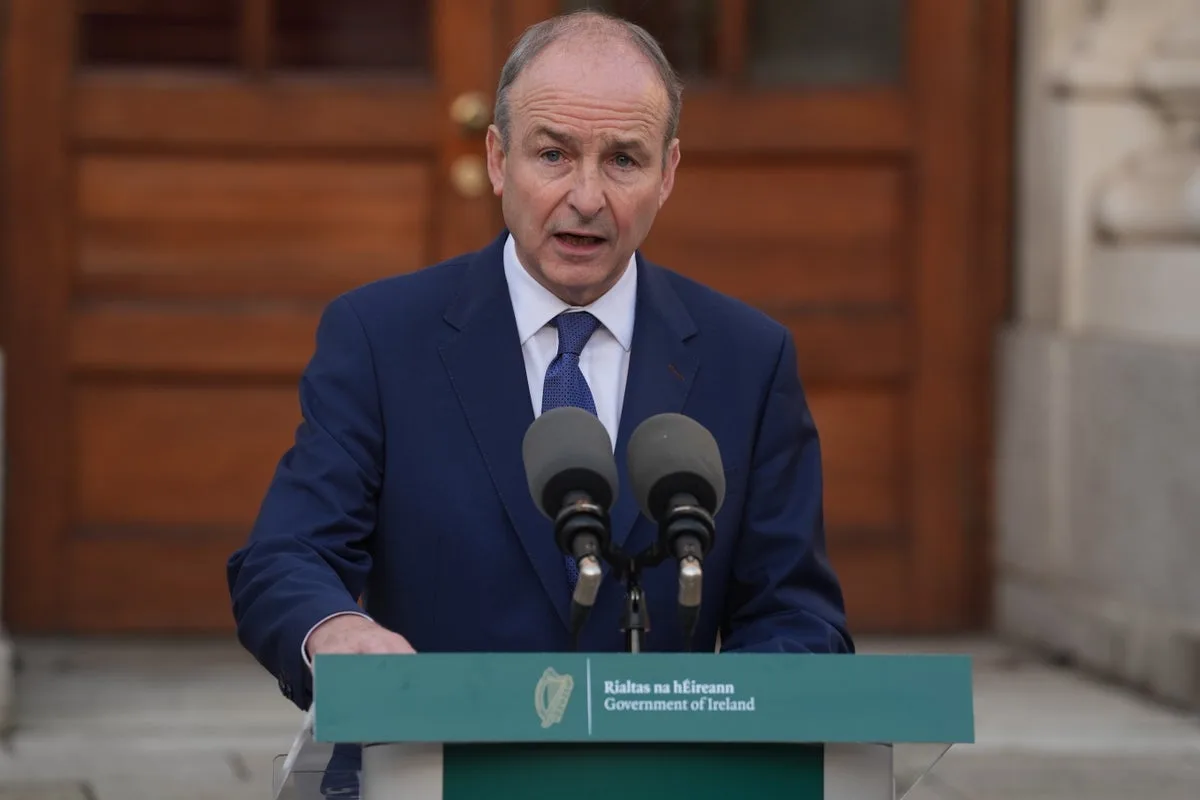
Taoiseach Micheál Martin has firmly characterised Ireland's decision to withdraw from the Eurovision Song Contest as a deliberate 'act of solidarity'. The move comes after the European Broadcasting Union (EBU) confirmed Israel's participation in the 2026 contest, a decision made against the backdrop of the ongoing conflict in Gaza.
Political Backing and Divergent Views
Speaking on Friday, 5 December 2025, the Irish premier stated he 'fully understands' the editorial choice made by the national broadcaster, RTÉ, to pull out. Mr Martin highlighted the bravery of journalists and medical personnel in Gaza, framing the boycott as a gesture of support for reporters killed in breaches of international law.
However, a clear division of opinion was evident during a press conference at the British-Irish Council. Northern Ireland's First Minister, Michelle O'Neill of Sinn Féin, endorsed the boycott, stating it sent a 'strong message' during what she termed the biggest humanitarian crisis of our time.
In stark contrast, Deputy First Minister Emma Little-Pengelly of the DUP dismissed the move's impact, arguing that 'boycotting a singing competition is not going to make one jot of difference' in achieving a peaceful resolution in the Middle East.
Context and Justification
Mr Martin elaborated that the world's awareness of the horrors in Gaza was largely due to the work of journalists. He shifted focus to Ireland's potential role in supporting the fragile ceasefire and the peace process, linking the Eurovision decision to the country's earlier recognition of Palestine as a state.
Tánaiste Simon Harris also voiced understanding for RTÉ's 'editorially independent' decision. He provided context by referencing the hundreds of journalists killed, the lack of media access to Gaza, and the occurrence of genocide. Mr Harris noted Ireland's historic affinity with the contest, having won it more times than any other nation, but stressed the gravity of the issues at hand.
A Symbolic Gesture Amidst Complex Politics
The Irish withdrawal places the nation among several others taking a similar stand against the EBU's decision. The debate underscores how cultural events like Eurovision can become focal points for geopolitical protest. While Irish leaders present it as a moral stance aligned with humanitarian principles, critics view it as an ineffective gesture that does little to address the root causes of the conflict or contribute tangibly to peace-building efforts.
The incident highlights the continuing deep international divisions over the Gaza war and the ways in which nations choose to express their diplomatic positions, even through avenues of popular entertainment.




