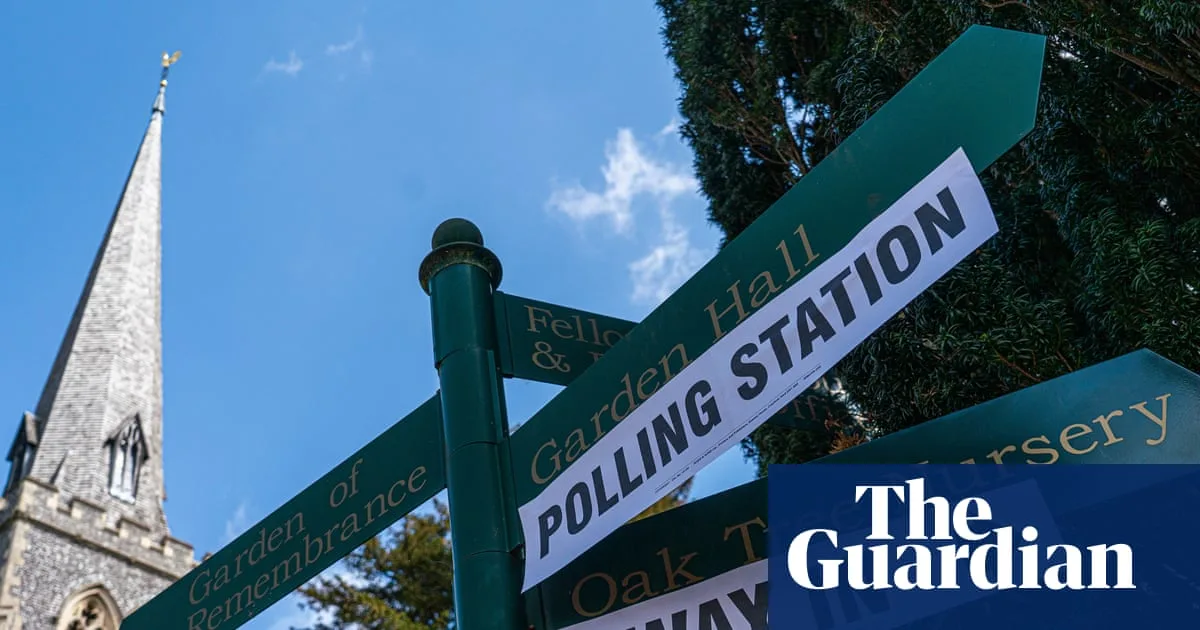
The Labour government has sparked controversy by announcing a two-year delay for four highly anticipated mayoral elections, a move critics claim is motivated by fear of losing to Reform UK.
Junior Minister Faces the Music in Commons
Miatta Fahnbulleh, the Parliamentary Under-Secretary for Local Government, was tasked with defending the decision in the House of Commons. The MP, who was only elected last year, faced a barrage of sceptical questions from opposition benches. Her appearance came after her superior, Secretary of State Steve Reed, attempted to issue only a written statement on the matter.
Ms Fahnbulleh argued the delay was necessary to allow more time to organise local devolution, speaking of "strategic authorities" and "unlocking economic potential." However, her poetic description of the policy as a "guiding star, our lodestar" was met with derisive laughter from Conservative MPs.
A Pattern of Postponement
This latest announcement follows the cancellation earlier this year of local elections in nine areas across England. The government's official reasoning centres on logistical needs for devolution. Yet, the timing has led to widespread accusations, notably from Sir Edward Leigh the Conservative MP for Gainsborough, that "the Government is worried about being trounced in elections."
The suspicion is that with Labour's opinion poll ratings under pressure, the party is seeking to avoid electoral tests where Reform UK could make significant gains. Even Labour's own Jim McMahon, Ms Fahnbulleh's predecessor, expressed dismay, stating, "We need to be better than this."
Leadership Absences and Whip Office Disarray
The session highlighted a broader trend of senior ministers avoiding parliamentary scrutiny. Steve Reed and Foreign Secretary David Lammy are noted for their reluctance to answer urgent questions. Similarly, Chancellor Rachel Reeves made a notably swift exit from the chamber on Wednesday to avoid an urgent question regarding the resignation of the Office for Budget Responsibility's chair, leaving it to her junior, James Murray.
Discipline within the government appears frayed. The Commons session for Cabinet Office questions had to be suspended due to a lack of attending MPs, catching government whips Nesil Caliskan and Deirdre Costigan off guard. The whips' office is described as a mess, with the Chief Whip seeming detached and deputies rarely visible. This internal disarray is fuelling backbench agitation, including calls for the Chancellor to be replaced before Christmas.
The government's decision to postpone democratic votes, coupled with a perceived avoidance of accountability and internal management issues, presents a challenging picture for Sir Keir Starmer's administration as it seeks to establish its authority.




