Prime Minister Keir Starmer is facing fierce accusations of 'running scared of the voters' after his government paved the way for potentially cancelling next year's local elections across dozens of councils. The controversial move, which could see over 10 million people deprived of a vote in May, has been branded as an undemocratic tactic to shore up Sir Keir's faltering leadership.
A Litmus Test Postponed
In an extraordinary step, Labour has formally invited 63 local authorities to postpone their scheduled May 2025 elections. These votes were widely viewed as a critical litmus test for the Prime Minister's popularity amidst challenging poll numbers. Analysis reveals that half of the councils involved are run by Labour, either solely or in coalition, leading opponents to claim the party is seeking to limit its anticipated losses.
For some areas, this would mark the second consecutive year of delayed elections, meaning some councillors could hold office for seven years without facing a public ballot. The decision comes despite a warning from the Electoral Commission that such postponements should not exceed 12 months.

Fury from Political Rivals
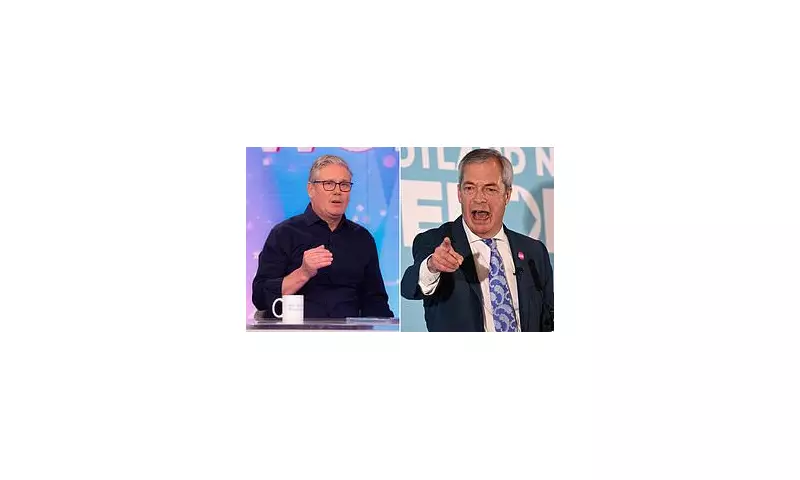
The proposal has ignited a firestorm of criticism from across the political spectrum. Reform UK leader Nigel Farage delivered a blistering attack, likening the move to the actions of a 'dictator'. He stated: 'Only a banana republic bans elections, that's what we have under Starmer.' His colleague, MP Lee Anderson, claimed the Prime Minister was 'frit' (frightened).
Conservative elections spokesman Sir James Cleverly accused Labour of being 'running scared of the voters'. He argued: 'They thought they could completely overhaul local government and stack the deck in their favour. They were wrong... fiddling the democratic process to serve their own political interests.' This sentiment was echoed by Tory justice spokesman Robert Jenrick, who pointed out that even during the pandemic, elections were not cancelled for two years running.
Defence and Reorganisation
The government has defended the move, citing the ongoing massive reorganisation of local government initiated by Labour last year. Dozens of councils are set to be abolished or merged into new unitary authorities. Local Government Minister Alison McGovern told MPs that councils of all political stripes had expressed 'concerns about the time and energy spent managing elections to bodies that won't shortly exist'.
She insisted the government was only 'minded' to cancel elections where local authorities said they would cause undue pressure, adding: 'To be clear, should a council say that they have no reason to delay their elections, there will be no delay.'
Broader Democratic Concerns
The election delay follows other government proposals criticised as authoritarian, including scrapping jury trials for some offences and introducing digital ID cards. Critics argue this forms a pattern of a government centralising power. Richard Wright, chairman of the District Councils Network, warned that breaking the normal four-year election cycle 'should be broken only in the most exceptional circumstances' and risked undermining faith in local democracy.
Behind the scenes, allies of Sir Keir reportedly fear he could face a leadership challenge if the local election results prove disastrous. It has also emerged that plans are being made to schedule the King's Speech for the week after the polls, a move seen as a tactic to deter potential rivals from launching a coup during a moment of national focus on the monarch.
With the Liberal Democrat leader Sir Ed Davey calling it a 'Labour and Conservative stitch-up', the controversy over the postponed elections is set to become a defining battle over democratic accountability for the Starmer administration.