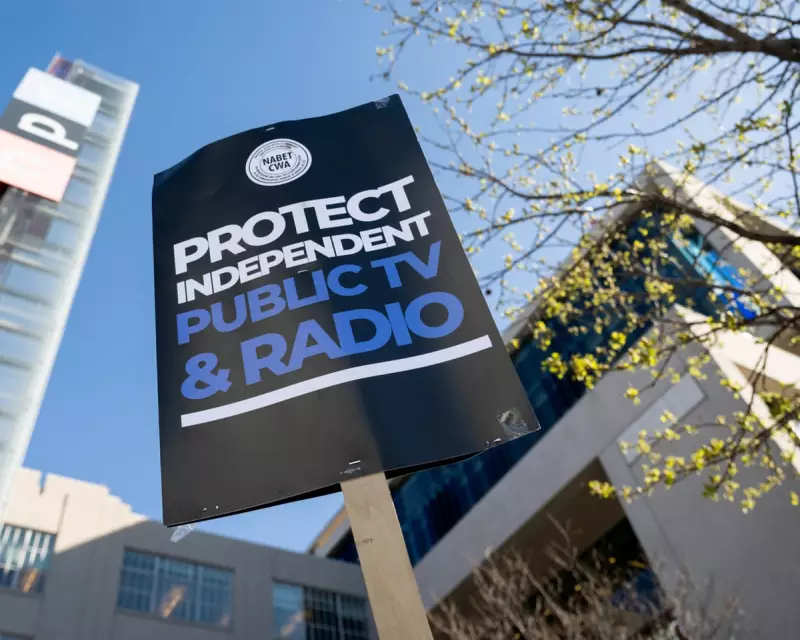
Former US President Donald Trump's recent public comments targeting public radio have had an immediate and tangible financial impact, triggering a sharp decline in listener donations. The remarks, made during a broadcast interview, have ignited a fierce debate about political pressure on publicly funded media institutions.
A Direct Financial Blow to Public Broadcasting
The controversy began following an interview where Trump reiterated his long-standing criticism of public broadcasting services, specifically mentioning outlets like National Public Radio (NPR). In the days and weeks that followed, several major public radio stations across the United States reported a noticeable and worrying downturn in financial contributions from their audience.
Station managers and fundraising directors have confirmed that the drop was both sudden and significant. The decline in donations was directly attributed by many donors to Trump's comments, with some citing them explicitly when cancelling recurring pledges or choosing not to contribute during fundraising drives. This direct link highlights the potent influence of political rhetoric on the financial health of media organisations perceived to be in the crosshairs.

The Broader Context of Political Pressure
This incident is not an isolated one but fits into a broader pattern of political figures criticising public media. Trump has historically been a vocal opponent of federal funding for public broadcasting, arguing that organisations like NPR and the Public Broadcasting Service (PBS) exhibit political bias. His latest comments have effectively mobilised a segment of his supporters to express their alignment through their wallets, by withholding financial support.
Public radio stations in the US operate on a mixed-funding model, relying on a combination of:
- Listener donations and membership subscriptions
- Corporate sponsorship
- Grants from foundations
- A relatively small portion of federal funding distributed via the Corporation for Public Broadcasting
This makes them particularly vulnerable to shifts in public sentiment, as direct audience contributions form a critical part of their operational budgets. The sudden drop poses a genuine threat to programming, staffing, and local news coverage.
Implications for Media Independence and Future Funding
The financial repercussions extend beyond immediate budget shortfalls. There is a growing concern among media analysts and free press advocates about the chilling effect such episodes can have. When political commentary directly influences discretionary funding, it can create an environment where editorial decisions are made under perceived financial pressure.
Station executives are now faced with the challenge of reassuring both their audience and their staff about their stability and commitment to impartial journalism. Some are launching specific campaigns to emphasise the value of listener-supported, non-commercial news, hoping to rally their core base of supporters who believe in the mission of public media irrespective of political noise.
This event underscores a fragile reality for public service media globally: its financial sustainability is often intertwined with the political landscape. The episode serves as a stark case study in how volatile political discourse can translate into concrete economic consequences for independent journalism. The long-term question remains whether this donation slump is a temporary backlash or the beginning of a more sustained withdrawal of support, potentially reshaping the public media ecosystem in America.