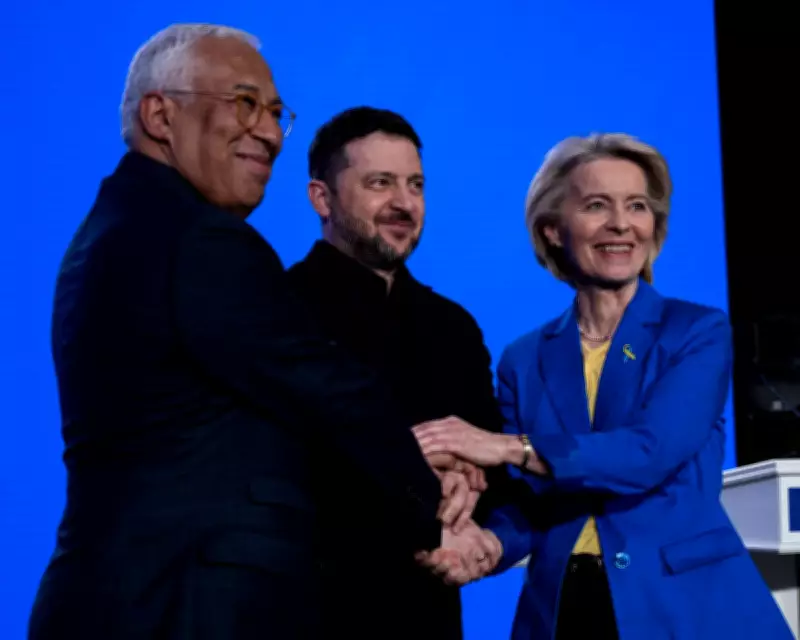
In a rapidly evolving geopolitical landscape, the ongoing conflict between Ukraine and Russia continues to dominate international headlines, with President Volodymyr Zelenskyy and President Vladimir Putin at the centre of a high-stakes standoff. The European Union has responded with a series of stringent sanctions aimed at curbing Russian aggression, but this move has sparked complex diplomatic manoeuvres across the continent.
EU Sanctions and Hungarian Resistance
The EU's latest sanctions package targets key sectors of the Russian economy, including energy and finance, in an effort to pressure the Kremlin into de-escalation. However, Hungarian Prime Minister Viktor Orban has emerged as a vocal critic, arguing that such measures could harm European unity and economic stability. Orban's stance highlights the delicate balance within the EU, where member states must navigate between solidarity with Ukraine and their own national interests.
Germany's Diplomatic Tightrope
Germany, under the leadership of figures like Friedrich Merz, finds itself walking a diplomatic tightrope. As a major economic power with historical ties to Russia, Germany is pushing for a robust EU response while also engaging in backchannel discussions to prevent further escalation. Merz has emphasised the need for a unified European front, but internal divisions over energy dependence and trade complicate these efforts.

Global Players: China's Role
The conflict has also drawn in global powers, with China's President Xi Jinping playing a pivotal role. China has maintained a cautious stance, calling for dialogue and restraint, but its economic and political ties with Russia add a layer of complexity to the crisis. European leaders, including those in Germany, are closely monitoring China's actions, as any shift in its position could significantly impact the dynamics of the conflict.
Zelenskyy's Appeal and Putin's Strategy
President Zelenskyy has made impassioned appeals for international support, highlighting the humanitarian toll and the threat to European security. In contrast, President Putin has doubled down on his strategic objectives, leveraging military and economic tools to assert Russian influence. The standoff shows no signs of abating, with both leaders entrenched in their positions and the international community scrambling to find a path to peace.
The situation remains fluid, with ongoing developments in sanctions, diplomacy, and military actions shaping the future of Europe and beyond. As the crisis continues, the world watches closely, hoping for a resolution that upholds sovereignty and stability in the region.