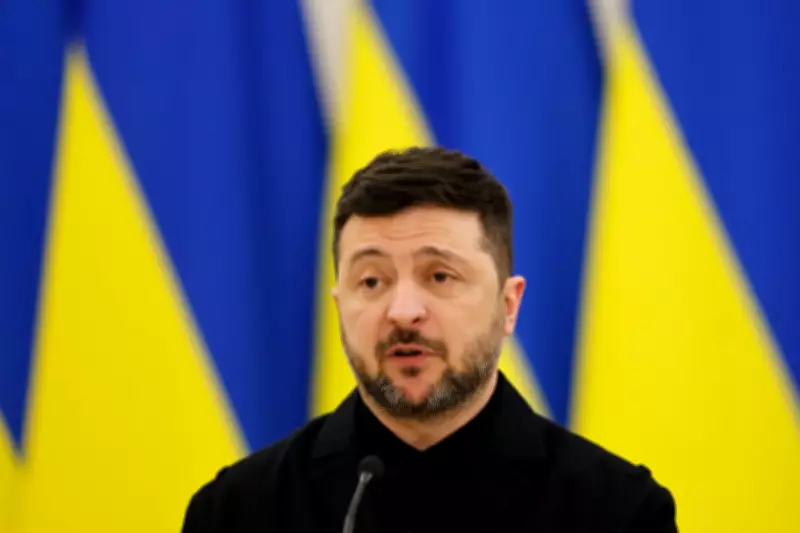
Ukrainian President Volodymyr Zelensky has revealed that a second round of crucial trilateral peace talks involving the United States, Russia, and Ukraine, originally scheduled for this Sunday, could face a postponement. The potential delay stems from escalating tensions between the United States and Iran, which Zelensky believes may impact the timing or location of the high-stakes meeting.
Escalating Geopolitical Tensions Threaten Diplomatic Progress
The talks, intended to build on a previous meeting and resolve differences to secure a peace deal for Ukraine, are now under threat due to external geopolitical factors. Zelensky's announcement highlights how regional conflicts can spill over and disrupt international diplomacy, even when progress seems imminent.
Key Participants and Absences
Notably, US envoys Steve Witkoff and Jared Kushner will not be attending the upcoming meeting, which was planned to take place in Abu Dhabi. Their absence adds another layer of complexity to the already delicate negotiations, raising questions about the United States' commitment level at this critical juncture.

Separate Claims of Winter Ceasefire
In a related development, former US President Donald Trump has claimed that Russian President Vladimir Putin agreed not to attack Ukrainian cities during the harsh winter months. This assertion, while unverified, adds to the backdrop of mixed signals and diplomatic manoeuvring surrounding the conflict.
The Broader Implications for Ukraine's Security
Zelensky also confirmed that a US security agreement for Ukraine is '100% ready' to be signed, indicating that bilateral preparations continue despite the potential delay in trilateral talks. This underscores the multifaceted nature of Ukraine's diplomatic efforts, balancing immediate peace negotiations with long-term security assurances.
The situation remains fluid, with the international community watching closely to see if the talks will proceed as planned or if the US-Iran tensions will indeed force a postponement, potentially delaying much-needed progress toward ending the conflict.