Chinese President Xi Jinping has personally expressed his backing for the controversial conviction of British media mogul and pro-democracy campaigner Jimmy Lai in Hong Kong. The endorsement, delivered during a meeting with Hong Kong's Chief Executive John Lee in Beijing, signals a firm stance from Beijing as UK Prime Minister Keir Starmer prepares for diplomatic talks in the Chinese capital.
A High-Profile Conviction and Presidential Backing
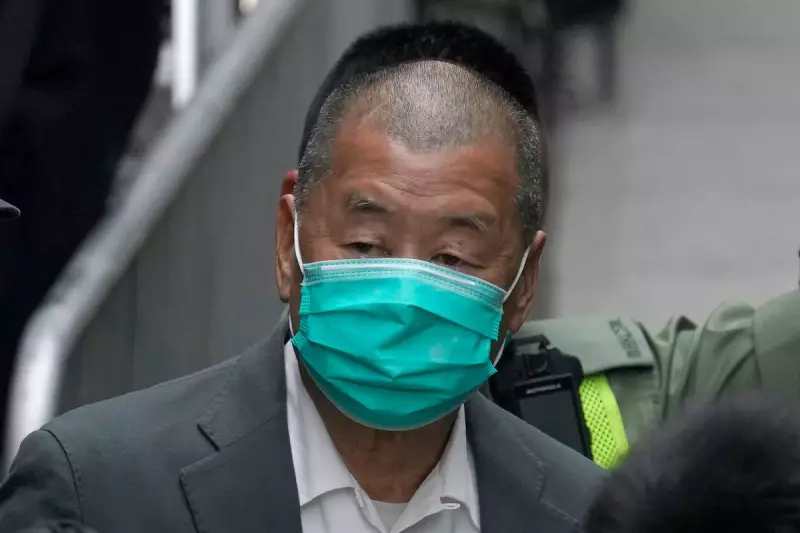
The development centres on Jimmy Lai, the 78-year-old founder of the now-defunct Apple Daily newspaper. Lai was found guilty of colluding with foreign forces under Hong Kong's stringent national security law and is currently awaiting sentencing. During his meeting with Chief Executive Lee, President Xi Jinping conveyed what was described as "strong support" for the judicial process and its outcome concerning Lai's case.
International Repercussions and Diplomatic Pressure
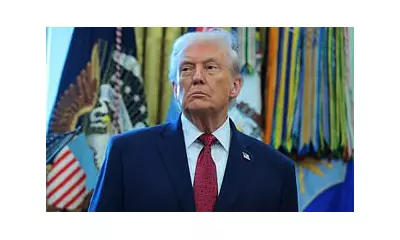
The conviction has triggered significant international condemnation. Western governments and human rights organisations have strongly criticised the verdict, viewing it as a severe blow to freedoms in Hong Kong. In response, the British government summoned China's ambassador to the UK to register a formal protest. Adding to the diplomatic friction, former US President Donald Trump stated he had discussed Lai's potential release with Xi Jinping, remarking, "I feel so badly" about the situation.
Starmer's Upcoming Visit Under the Spotlight
The timing of President Xi's public support is particularly sensitive. It comes just before a scheduled visit to Beijing by Britain's new Prime Minister, Keir Starmer. Starmer is now under considerable pressure from various quarters to advocate forcefully for Lai's release during his discussions with Chinese leaders. The case is set to be a major and contentious point on the diplomatic agenda, testing the UK's approach to its relationship with China while addressing concerns over human rights and legal integrity.
The situation underscores the ongoing tensions between China and Western nations over the application of the national security law in Hong Kong and the wider issue of political freedoms in the territory.