Vance's Diplomatic Disasters: A Week of Foreign Policy Failures for Trump's VP
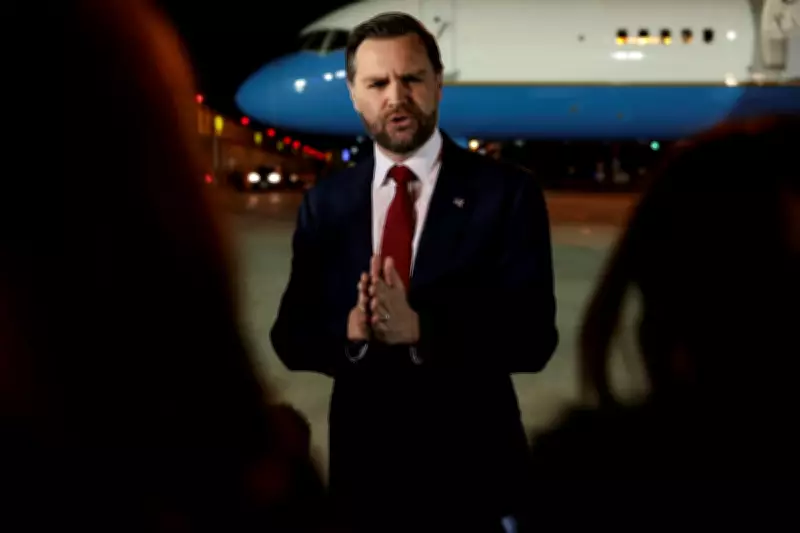
JD Vance's ill-fated week crisscrossing the globe has left the US vice-president reeling from two significant foreign policy setbacks, risking his position as a face of the Maga movement's international ambitions. The journey, which began with a mission to bolster an ally in Europe and ended with failed nuclear negotiations in the Middle East, exposed vulnerabilities in Trump administration strategies.
A Rocky Start in Hungary
Shortly before Vance embarked on his trip, Donald Trump joked privately about the Iran negotiations, stating he would blame Vance if they failed but take credit if they succeeded. This light-hearted remark foreshadowed a harsh reality: the administration does not tolerate failure lightly. Vance flew to Hungary to support Viktor Orbán, the Maga movement's closest European ally, who was facing electoral defeat after 16 years in power.
On stage at an Orbán campaign rally, Vance criticised interference from European Union officials and urged Hungarians to vote for Orbán. However, his efforts backfired spectacularly. In a historic landslide, Péter Magyar's Tisza party secured 138 seats in Hungary's 199-seat parliament, granting a two-thirds majority that could reverse Orbán's constitutional changes. This outcome threatens a major hub for global conservatism, disrupting rightwing thinktanks and conventions that attracted ultra-conservatives worldwide.

Vance's involvement broke longstanding conventions against US leaders interfering in allies' elections, and damaging visuals emerged of him alongside Orbán, an illiberal leader accused of turning Hungary into a "mafia state." Hungarian officials had lobbied for Trump to visit, but they received Vance instead, whose travel during a major US conflict in Iran raised eyebrows in Washington.
Collapse of Iran Negotiations
After the Hungarian debacle, Vance traveled to Islamabad to lead last-ditch negotiations aimed at reopening the Strait of Hormuz and ending Iran's nuclear programme. Trump had threatened to bomb Iran "back to the stone ages," adding pressure to the talks. Vance headed a delegation including envoys Steve Witkoff and Jared Kushner, Trump's son-in-law, meeting with Iran's leadership in marathon sessions lasting 21 hours.
Despite these efforts, no breakthrough was achieved. Vance announced the "bad news," claiming it was worse for Iran than the US. His selection for this role was surprising, as he is among the most anti-war members of Trump's cabinet, having campaigned against "forever wars" based on his experiences as a soldier in Iraq. This made him the highest-ranking US official to meet with an Iranian delegation since the 1979 revolution.
During the talks, Vance reportedly spoke regularly with Trump, but indications suggested he lacked authority to accept Iran's terms. Trump downplayed the deal's importance, stating it didn't matter for America. With negotiations in tatters, Trump imposed a blockade on the Strait of Hormuz, further escalating tensions.
Broader Implications and Future Risks
Vance's week of failures has severe implications for Maga foreign policy goals: empowering rightwing populism in Europe and extracting the US from Middle East interventions. It also jeopardises his expected 2028 presidential run, as he failed to secure a landmark achievement that could bolster his credentials.
Compounding his troubles, Trump's recent criticisms of Pope Leo XIV as "weak on crime" and "terrible" may embroil Vance, a Catholic convert, in another international incident. As Vance returns to Washington, he risks becoming the enduring face of these dual foreign policy failures, highlighting the challenges of navigating Trump's unpredictable diplomatic landscape.
This series of events underscores the volatility of current US foreign policy and the high stakes for key figures like Vance in executing Trump's vision abroad.