The United States is systematically withdrawing from the international community, with the Trump administration recently moving to pull out of 66 international treaties, conventions, and organisations. This sweeping rejection spans agreements on climate change, migration, cultural heritage, clean water, renewable energy, and the trade in timber and minerals, all dismissed as contrary to national interests.
The Walls We Build: From Policy to Daily Life
This political stance of building barriers aligns with a deeper cultural shift within American society. According to cultural anthropologist Anand Pandian, author of Something Between Us: The Everyday Walls of American Life, and How to Take Them Down, patterns of isolation and division have seeped into the fabric of everyday existence. His decade-long research reveals how fortified homes, larger vehicles, a mindset of the body as a fortress, and insular media consumption collectively sharpen divides between 'insiders' and 'outsiders'.
Pandian's work, informed by conversations with Americans from realtors to environmental activists, uncovers a troubling individualistic ethos. He cites a home security podcaster at a 2021 builders' convention advising that smart lighting could redirect burglars to a neighbour's house, stating, "Now it’s not your problem." Similarly, an automotive designer reported focus group participants insisting, "If there are two cars in an accident, I want my kids in the bigger car."

The High Cost of Disconnection
This cultivated indifference makes it difficult to perceive how individual fates are intertwined. Social and environmental crises become someone else's problem, eroding a sense of shared responsibility. This mindset directly fuels political decisions, such as the rejection of climate diplomacy and promotion of fossil fuels, which are more than just policy choices—they reflect deeply ingrained habits of thought.
The consequences are tangible and global. Economic inequalities and environmental instabilities drive migration, including to US borders. Unchecked climate change manifests in disasters like the Los Angeles wildfires. As Pandian argues, if the response to such crises is merely to 'bar the door and turn up the air conditioning,' external conditions will only deteriorate further.
Relearning Interdependence: Lessons from Activism
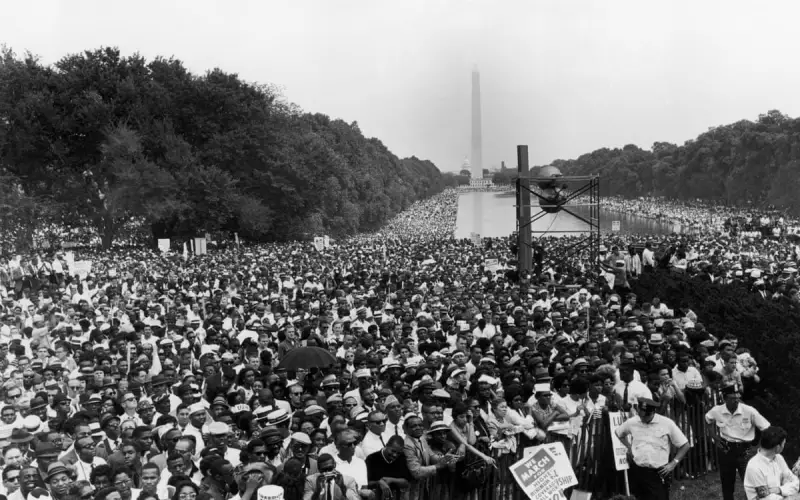
There are, however, grassroots efforts mending this 'single garment of destiny' evoked by Martin Luther King Jr. in his 1963 Letter from Birmingham Jail. Pandian highlights clean water activists in Newburgh, New York, who confronted contamination from 'forever chemicals'. They fostered 'watershed awareness' through public conversations titled "I Am Water," helping people see themselves as part of a shared ecology.
Activist Gabrielle Hill, galvanised by threats to democracy, successfully ran for local office in Orange County. Her campaign, prioritising clean water, public transport, and affordable housing, was built on an African proverb she shared upon winning the Democratic nomination: "If you want to go fast, go alone. If you want to go far, go together."
Pandian concludes that repressive powers thrive when we deny our interdependence. The path to true security and autonomy lies not in isolation but in recognising that our wellbeing is a communal resource. The future of the United States, as acknowledged in the very global arrangements it now spurns, is inextricably caught up with the welfare of others beyond its bounds.