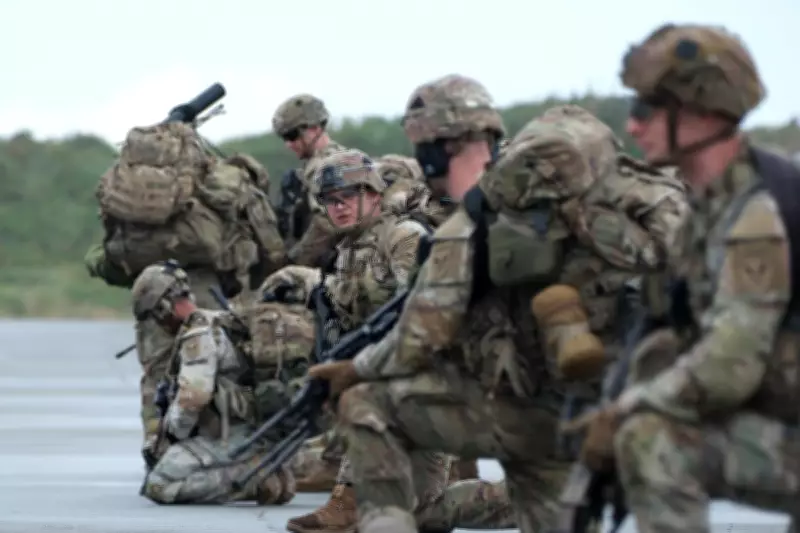
The United States is significantly escalating its military presence in the Middle East, with the Pentagon confirming the deployment of at least 1,000 troops from the 82nd Airborne Division in the coming days. This move is part of a broader military buildup that includes approximately 5,000 Marines and thousands of sailors being dispatched to the region, raising tensions amid ongoing conflicts.
Iran's Response to US Troop Movements
Iranian authorities are closely monitoring these US troop movements, with the parliament speaker issuing a stern warning against testing Iran's resolve to defend its territory. The deployment comes as the US has submitted a 15-point plan to Iran aimed at ending the war in the Middle East, a diplomatic overture that has been met with deep skepticism in Tehran.
Suspicions of Diplomatic Deception
Iranian officials suspect that the US peace proposal could be a ruse designed to buy time while military preparations continue. They assess that the suggestion of returning to peace talks, particularly alongside reports of further troop deployments, indicates an attempt to mask aggressive intentions. This suspicion is heightened by the timing of the troop movements, which coincide with the delivery of the peace plan.

Details of the US Military Deployment
The Pentagon's deployment includes specialized units from the 82nd Airborne Division, known for rapid response capabilities, and a substantial Marine contingent. These forces are being positioned in strategic locations across the Middle East, though specific destinations have not been disclosed publicly. The move represents one of the largest US troop increases in the region in recent years.
Background on the 15-Point Peace Plan
The US 15-point proposal, delivered to Iranian officials, outlines steps to de-escalate hostilities and establish a framework for lasting peace in the Middle East. While the contents have not been fully revealed, it is understood to address key issues such as regional security, economic cooperation, and conflict resolution mechanisms. However, Iran's initial reaction suggests a lack of trust in US intentions.
As tensions simmer, the international community watches closely, with concerns that the combination of military buildup and diplomatic efforts could either pave the way for negotiations or lead to further escalation. The situation remains fluid, with both sides positioning themselves for potential outcomes in this high-stakes geopolitical standoff.