US Military Strike on Alleged Drug Smuggling Boat Kills Three Men in Caribbean
The US military has conducted a strike on an alleged drug smuggling boat in the Caribbean, resulting in the deaths of three men. This incident represents the third such attack within a single week, as part of a broader escalation of US forces deployed to the region to combat narco-trafficking activities.
Details of the Strike and Intelligence Confirmation
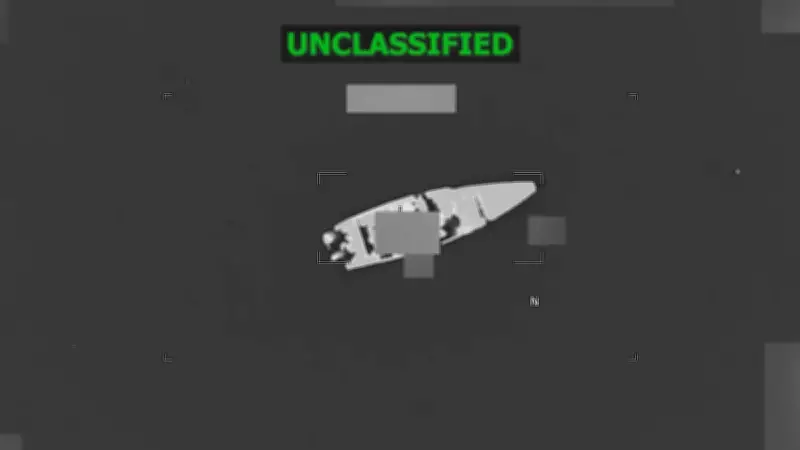
According to US Southern Command, which oversees operations in Latin America and the Caribbean, intelligence sources confirmed that the vessel was navigating along known narco-trafficking routes in the Caribbean and was actively engaged in drug trafficking operations. The command released a statement on Twitter/X, accompanied by a 20-second video showing black-and-white footage of the strike being launched and the boat erupting into flames.
The Southern Command identified the three individuals killed as "male narco-terrorists" and emphasised that no US military personnel were harmed during the operation. This strike occurred on 23 February 2026, following a similar attack just three days prior on 20 February, which also resulted in three fatalities.

Legal Controversies and Criticisms
The legality of the US boat strike initiative has been widely questioned by international legal scholars and national security experts. In a December statement, Jeffrey Stein, a staff attorney with the American Civil Liberties Union (ACLU), and Christopher Anders, director of the democracy and technology division at ACLU, argued that under both US and international law, it is flagrantly illegal to use military force to kill civilians suspected only of crimes.
"Civilians, including those suspected of smuggling drugs, are not lawful targets. Just because the Trump administration says these strikes are firmly grounded in law doesn't make it true," the statement asserted. This criticism highlights ongoing debates over the ethical and legal frameworks governing such military actions.
Broader Context and Regional Strategy
These strikes are part of the Trump administration's increased investment in US forces in the Caribbean, aimed at intercepting alleged "narco-terrorists." The latest attack brings the total number of people killed in US strikes on suspected boats since September to at least 151, indicating a significant and sustained military campaign in the area.
The initiative reflects a strategic shift towards more aggressive measures in counter-narcotics operations, though it continues to face scrutiny over its compliance with legal standards and human rights considerations. As US military presence in the region intensifies, the implications for regional security and international law remain subjects of ongoing analysis and concern.