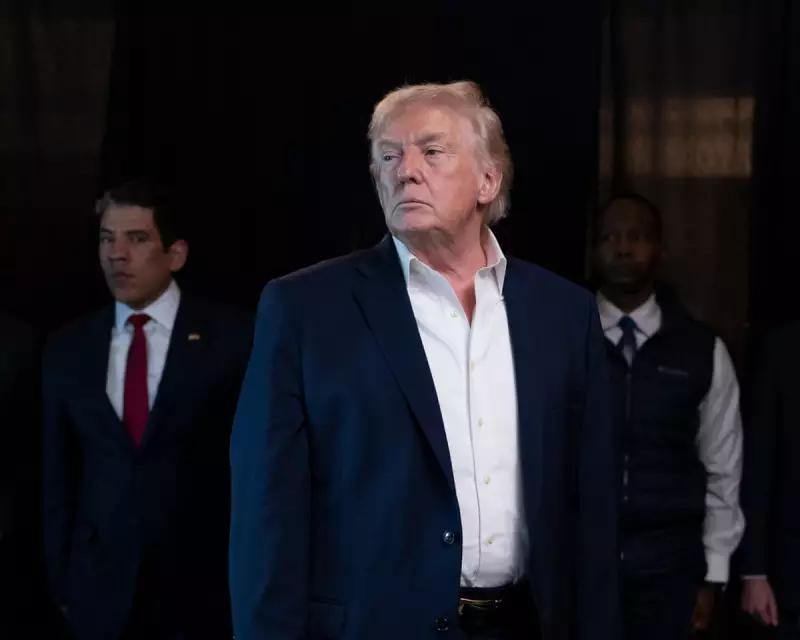
The international order was shaken in the early hours of Saturday, 3 January, as the United States launched a major military attack on Venezuelan soil, culminating in the seizure of the country's president, Nicolás Maduro. In a move that defied international law and diplomatic precedent, President Donald Trump announced the US would now "run" the South American nation and "take back the oil". This unilateral action, undertaken without a UN mandate or congressional approval, represents a chilling escalation in Washington's foreign adventurism.
A Breach of Sovereignty and International Law
While the Trump administration has cited the nebulous pretext of a war on drugs, the president's own statements reveal more cynical motives. The operation, which reportedly killed 40 Venezuelans including civilians, was driven by the lure of Venezuela's vast oil reserves and a display of machismo, according to analysts. Mr Trump has brazenly promised the venture "won't cost us a penny" due to these resources.
The attack was not an isolated incident but part of a pattern. It follows strikes on Nigeria and Iranian nuclear facilities, showcasing a doctrine where the world's sole superpower acts as a rogue state, not a global policeman. Mr Trump has rebranded the Department of Defense as the Department of War, a symbolic shift reflecting a dangerous new reality. This act of abduction and regime change, targeting a sitting head of state, sets a terrifying precedent that authoritarian leaders worldwide may seek to emulate.

Political Chaos and Muted Global Outrage
The situation inside Venezuela remains profoundly uncertain. The population, which has endured a repressive and kleptocratic regime under Mr Maduro, now faces an unpredictable future. Mr Trump has suggested that Maduro's deputy, Delcy Rodríguez, would follow US instructions, dismissing the legitimate opposition leader María Corina Machado. However, Ms Rodríguez, now interim president, has struck a defiant tone, and remnants of the regime are likely to resist.
Globally, the reaction has been tellingly muted, particularly in Europe, with fear of Mr Trump's wrath seemingly outweighing principled opposition to the breach of sovereignty. While UN Secretary-General António Guterres issued a strong condemnation, the episode underscores the growing irrelevance of international institutions in the face of American unilateralism. The Democratic opposition in the US was not informed and claims it was actively misled, highlighting the domestic constitutional crisis accompanying the foreign one.
A Superpower Unmoored
The repercussions of this illegal act will resonate far beyond the Caribbean. It signals to adversaries like Vladimir Putin and Xi Jinping that the rules-based order is effectively dead, replaced by a might-makes-right approach. With no US casualties reported, Mr Trump's sense of invincibility is likely emboldened, raising fears of further military adventurism. He has not ruled out action over Greenland and has ominously hinted that "something is going to have to be done with Mexico."
This event, occurring less than a year into Mr Trump's four-year term, marks a pivotal and dangerous turning point. A president who once promised to end foreign wars is now openly embracing them, using military distraction as domestic popularity wanes. The world must now confront the reality of a superpower that has deliberately unshackled itself from the norms it helped create, embarking on a path whose ultimate destination alarms allies and adversaries alike.