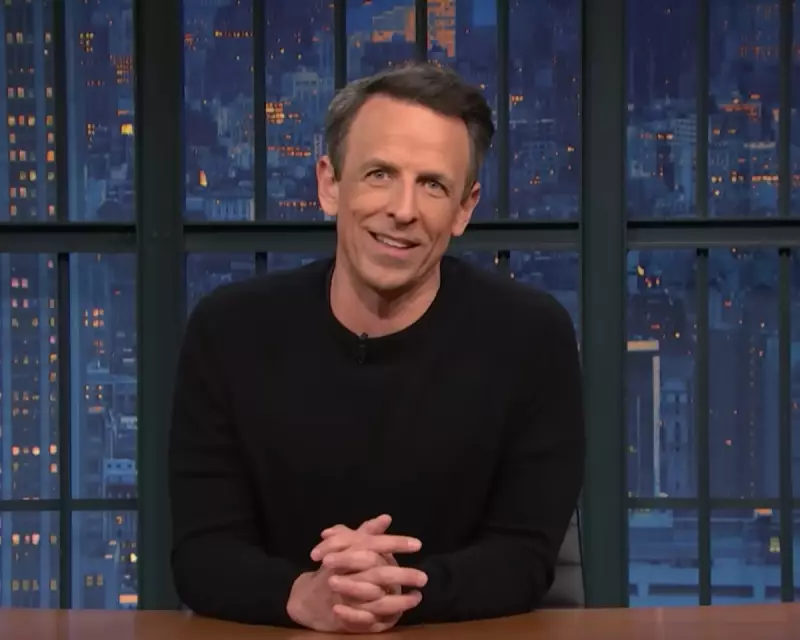
In a dramatic escalation of tensions between Venezuela and the United States, the South American nation has officially banned three of America's most prominent late-night television hosts from entering its territory. The comedians – Seth Meyers, Jimmy Kimmel, and Stephen Colbert – have been declared "personae non gratae" by the government of President Nicolás Maduro.
The Official Accusation: "Media Terrorism"
The Venezuelan Ministry of Foreign Affairs issued a formal statement on Wednesday, 7 January 2026, levelling serious accusations against the trio. The government condemned what it described as a "sustained campaign of media terrorism and psychological warfare" orchestrated by the hosts. According to the statement, their shows have consistently spread a distorted and negative image of Venezuela's political and economic reality.
The ban specifically references the hosts' frequent monologue segments, which have critically addressed the Maduro administration's policies, human rights record, and the nation's profound economic crisis. The Venezuelan authorities argue that this coverage goes beyond satire and constitutes deliberate interference aimed at destabilising the country.

A History of Critical Commentary
The relationship between these late-night figures and the Venezuelan government has been strained for years. All three hosts have used their platforms, which command audiences in the millions, to deliver pointed critiques.
Seth Meyers, on his NBC programme "Late Night," has often incorporated Venezuela into his "A Closer Look" segments, analysing the country's political turmoil. Jimmy Kimmel on ABC and Stephen Colbert on CBS have similarly deployed satire to highlight issues such as hyperinflation, migration crises, and allegations of authoritarianism in Caracas.
The Venezuelan statement did not single out individual jokes but condemned the collective impact of their commentary, framing it as part of a broader US-led "economic blockade" and hybrid war against the nation.
Reactions and Wider Implications
The unprecedented move has sparked a wave of reactions. Media analysts view it as a stark example of how Venezuela is attempting to control its international narrative by directly confronting foreign critics in the entertainment industry, rather than just traditional journalists.
While the practical impact is limited – none of the hosts had publicly announced travel plans to Venezuela – the symbolic weight is significant. It marks a new frontier in the government's efforts to push back against external criticism, classifying satirical comedy as a national security threat.
The ban also raises questions about freedom of expression and the reach of state power. By formally declaring influential cultural figures as unwelcome, Venezuela is signalling a zero-tolerance approach to perceived foreign mockery, potentially chilling coverage from other international media personalities.
As of now, representatives for Meyers, Kimmel, and Colbert have not issued official statements regarding the travel prohibition. However, the incident is likely to become fodder for future monologues, ensuring that the very commentary Caracas sought to punish will receive renewed attention on a global stage.