US-Israeli Military Action Against Iran Faces Widespread Criticism
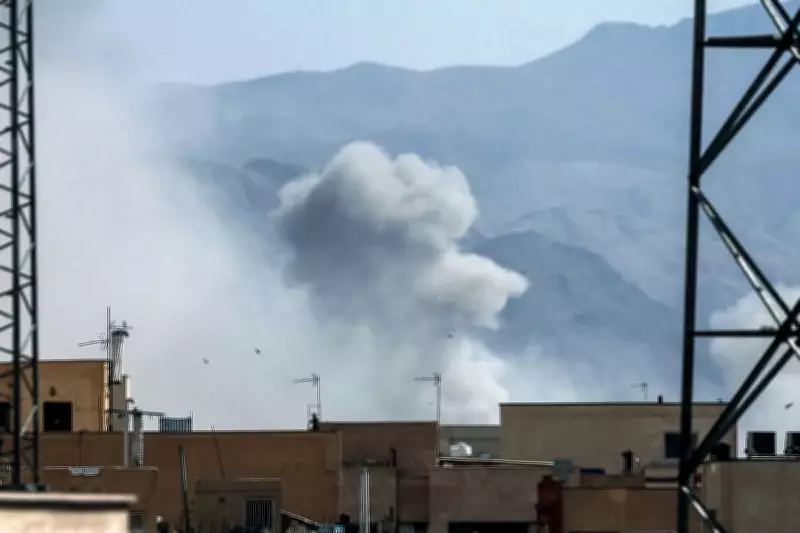
The recent coordinated military strikes by United States and Israeli forces targeting the Iranian regime have ignited a fierce international debate. Critics argue that the operation lacks a clearly defined objective and operates outside the bounds of established international law. If the primary aim was the assassination of Iranian leadership figures, such an action would be deemed unlawful. More critically, analysts suggest this strategy is likely to prove ineffective, as historical precedent shows that removing so-called 'dangerous leaders' often paves the way for even more hardline and unpredictable successors to seize power.
A Flawed Strategy of Regime Change
President Donald Trump and Israeli Prime Minister Benjamin Netanyahu appear to have embarked on a mission of regime change, despite the US President avoiding the explicit phrase. Instead, Trump has publicly called on the Iranian populace to "take over your government." However, there is a stark absence of evidence indicating that aerial bombardments can empower a civilian uprising or facilitate a peaceful transfer of power. The situation is markedly different from the earlier operation in Venezuela, which resembled a targeted police action. The current campaign involves immense firepower and carries a significant risk of triggering a wider regional conflict.
While the international community largely agrees on preventing Iran from obtaining nuclear weapons, it has not been conclusively proven that diplomatic negotiations have utterly failed. Notably, last year's bunker-busting attacks on the Fordow and Natanz nuclear facilities were specifically aimed at disrupting Iran's nuclear programme. The latest strikes, however, seem focused on political targets, shifting the goalposts towards overturning the government itself.

British Stance and Global Reactions
In response, UK Prime Minister Sir Keir Starmer made a decisive move by refusing permission for US attacks to be launched from British military bases, including the strategically important Diego Garcia facility in the Chagos Islands. The Prime Minister's policy delineated a clear line: British forces would not participate in offensive actions against Iran but would be deployed defensively to assist regional allies against potential Iranian retaliatory strikes.
Global opinion on the initial attacks remains deeply fractured. The Saudi Arabian government has expressed support for the US-Israeli action. Perhaps more surprisingly, Australian Labor Prime Minister Anthony Albanese also backed the strikes. Domestically within the UK, Conservative leader Kemi Badenoch and Reform party leader Nigel Farage voiced their approval, with Farage emphatically urging the Prime Minister to reverse his decision on base usage. Most other parliamentary parties stand in opposition.
The Plight of the Iranian People
The division in opinion underscores a complex reality: the Iranian people undoubtedly deserve global support and solidarity in their struggle against a cruel and oppressive regime. The current government in Tehran merits severe condemnation for its human rights record. However, these military strikes, as they stand, have done nothing tangible to aid the brave citizens resisting their oppressors. Instead, they risk perpetuating a cycle of violence, answering bloodshed with further bloodshed.
While some within Iran may welcome foreign intervention, recent history offers a cautionary tale. Six weeks prior, President Trump promised Iranian protesters that "help is on the way," a pledge that failed to materialise and was followed by a brutal crackdown resulting in tens of thousands of deaths. The arrival of this new form of "help" only highlights the emptiness of previous assurances. The international community can only hope for a different outcome this time, though precedent offers little comfort.

President Trump's own past statements add a layer of irony to the current crisis. In 2013, he criticised President Barack Obama on social media, predicting an attack on Iran due to perceived negotiation failures. President Obama never authorised such an attack, and despite inconclusive talks, Iran did not acquire nuclear weapons during his tenure. The current situation prompts reflection on the value of consistent, wise, and reliable diplomatic leadership in navigating such perilous international disputes.