US-Israel Military Campaign Spirals Into Uncontrollable Regional War
The conflict launched by former President Donald Trump and Israeli Prime Minister Benjamin Netanyahu against Iran has dangerously escalated beyond control, spreading violence across the Middle East and threatening global economic stability. What began as a targeted operation has now erupted into a full-scale regional war with devastating humanitarian consequences.
Humanitarian Catastrophe Unfolds in Lebanon
The renewed Israeli bombing of Beirut, Lebanon's densely populated capital, has created what the World Health Organisation describes as an "unprecedented" catastrophe that risks "spinning out of control." United Nations humanitarian coordinator Tom Fletcher warns that the conflict is devastating areas already traumatized by decades of fighting, with vulnerable populations suffering the most severe impacts.
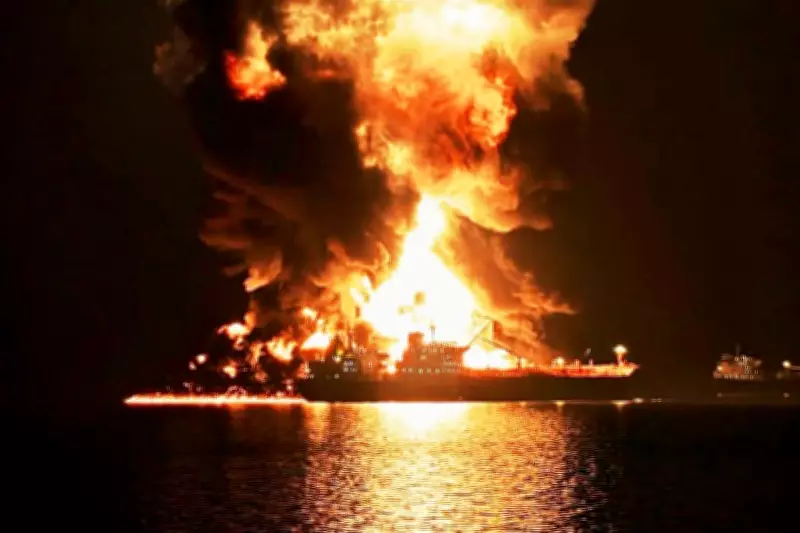
"War does not stay neatly within borders," Fletcher emphasized. "It tears through markets, supply chains and food prices. When maritime corridors such as the Strait of Hormuz are disrupted, food, health and energy become more expensive and harder to access."

Iran's Response and Regional Escalation
Iran's new supreme leader, Mojtaba Khamenei, has issued statements promising new attacks on US bases, while the British Foreign Office has begun withdrawing staff from neighboring Iraq. These developments indicate that de-escalation remains distant as fighting continues to spread.
The conflict has evolved into an asymmetric war similar to America's experiences in Vietnam and Afghanistan, with US forces struggling against an Iranian regime that has proven more resilient than anticipated. Each civilian death and every economic downturn represents a direct consequence of President Trump's decision to initiate hostilities.
From Limited Operation to Open-Ended Conflict
Operation Midnight Hammer, the 25-minute joint US-Israeli blitz on Iranian nuclear facilities last summer, established a dangerous precedent despite its limited scope and clear objectives. In contrast, the current Operation Epic Fury has become an open-ended conflict with constantly shifting goals that now involves virtually every Middle Eastern state and carries dire global economic implications.
Regional neighbors including Turkey and Gulf states pleaded with American officials to avoid military action before the war began, while European and East Asian allies consistently advocated for diplomatic solutions through Omani-brokered talks. These warnings were disregarded by the Trump administration.
Strategic Miscalculations and Political Consequences
President Trump significantly underestimated the Islamic Republic's control over Iran and the predictable response from proxy groups like Hezbollah in Lebanon. Calls for the Iranian people to overthrow their leadership went unanswered, revealing critical intelligence failures.
The conflict has proven disastrous for American interests, with economic repercussions affecting global markets and political consequences looming. As the situation deteriorates, Trump faces potential impeachment proceedings and Republicans risk losing congressional control in upcoming elections.
The administration has begun shifting blame to military planners and other officials, but the fundamental responsibility for this escalating crisis rests squarely with the president who initiated the conflict. The sooner this ill-conceived war concludes, the better for global stability and American political fortunes.