US-Israel War on Iran: Divergent Aims Threaten Exit Strategy and Regional Stability
The unprecedented joint military campaign launched by the United States and Israel against Iran has entered its third week, marking a historic first in their alliance. Unlike previous conflicts where the US joined late with limited strikes, this war is deeply coordinated at the operational level, with both nations engaged daily. However, this close collaboration underscores a critical vulnerability: without clear, shared objectives, the conflict risks spiraling into a costly failure with little political gain for Washington.
Confused Messaging and Shifting Timelines from Washington
From the outset, the messaging around the war has been muddled. Days before the attack, President Trump emphasized low gas prices and hinted at preferring negotiations with Iran. Once hostilities began, spiking fuel prices forced the administration to scramble for a coherent rationale. Officials cited reasons ranging from Iran's nuclear capabilities—claiming it could deliver "11 nuclear bombs"—to regime change and a 47-year-old imminent threat. This lack of clarity has led to inconsistent timelines, with Trump initially predicting a four-to-five-week campaign, then suggesting it could last longer, and later declaring it "very complete" while offering vague promises of an end "soon." Reports from the Pentagon indicate preparations for a conflict lasting at least 100 days, possibly through September, highlighting the uncertainty.
Divergent Goals Between Trump and Netanyahu
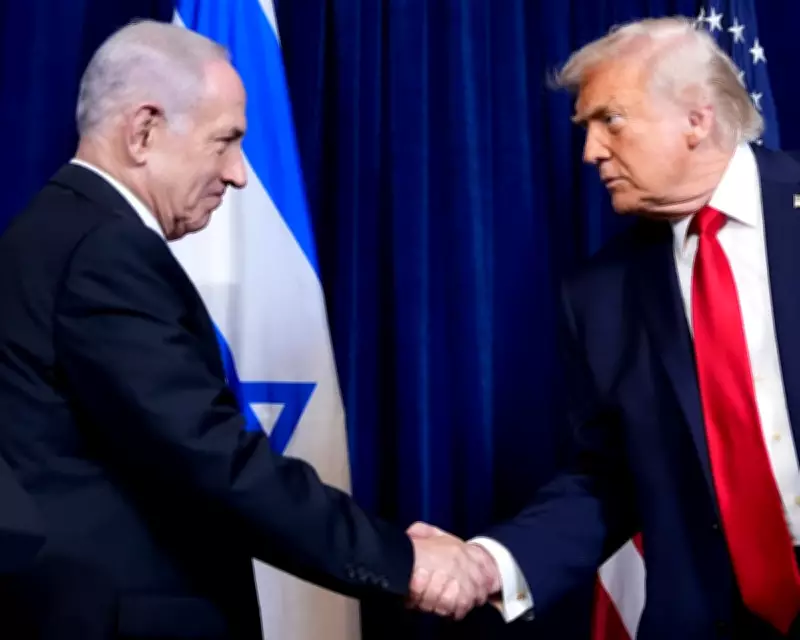
The core issue complicating the war's conclusion is the divergent aims of the two leaders. Trump has framed the decision to end hostilities as a "mutual decision" with Israeli Prime Minister Benjamin Netanyahu, effectively granting Israel a veto over US military actions. This arrangement becomes problematic if American public opinion, which largely opposed the war, turns against continued engagement while Israel pushes forward. Trump's preference appears to be a quick, low-cost victory akin to operations in Venezuela, focusing on performative strikes that avoid prolonged regime change. In contrast, Netanyahu's decades-long ambition has been to topple the Iranian regime and install a client dictatorship, leveraging US support to reshape the Middle East.

Operational Conflicts and Regional Repercussions
These differing objectives have manifested in operational disagreements. Israeli strikes targeting oil facilities in Tehran caused environmental disasters and market shocks, drawing criticism from Washington. Senator Lindsey Graham, a key war proponent, even advised against such actions. Netanyahu's hope for Gulf Arab states to join the offensive has also faltered, as these allies fear retaliation from a wounded Iran and distrust Israel's expansionist aims. Instead of achieving regime change, the war has yielded a younger, more embittered Iranian leadership, public anger in both the US and Israel, and a region teetering on the brink of broader conflict.
The Looming Question of How This Ends
As costs mount, the fundamental question remains: how does this war end? Without a clear endgame established before its launch, the campaign is likely to fail, leaving destruction across the region with little significant change. Iran itself will play a crucial role in determining the outcome, demonstrating resilience and strategic depth. The growing gulf between Israeli and American desired outcomes not only complicates the exit strategy but also threatens long-term stability in the Middle East, underscoring the perils of a war of choice driven by mismatched ambitions.