US and Israel Threaten Major Escalation as Airstrikes Bombard Iran and Lebanon
The United States and Israel have unleashed a new wave of airstrikes targeting Iran and Lebanon, issuing stark warnings of a major escalation in their joint offensive. This comes as Iran retaliates with a series of attacks across a broad swath of the Middle East, further inflaming the regional crisis.
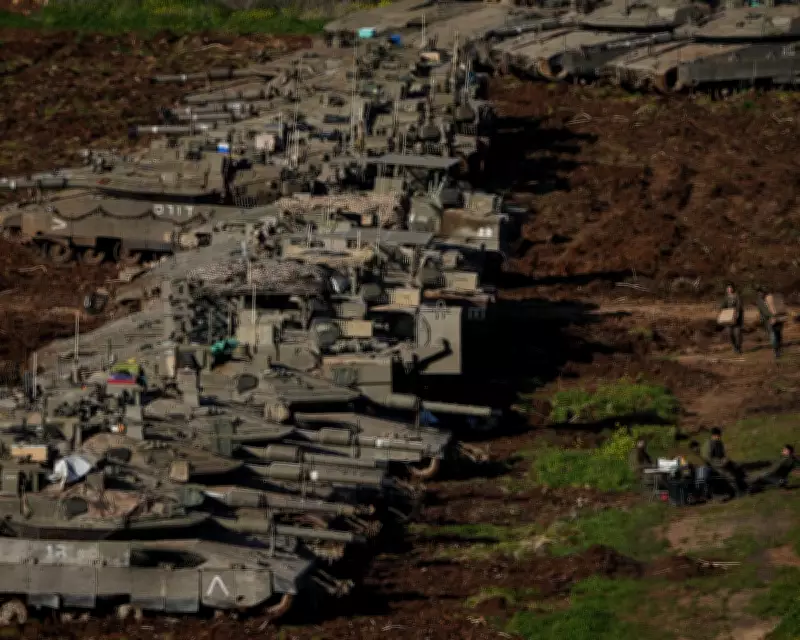
US Defence Secretary Pete Hegseth declared that American firepower is "about to surge dramatically" with the deployment of additional bombers. Simultaneously, Israel Defense Forces Chief of Staff Eyal Zamir announced that Israel is transitioning to a new phase of its offensive, aimed at "further dismantling the regime and its military capabilities." Zamir ominously added, "We have additional surprises ahead which I do not intend to disclose."
Intensifying Strikes and Regional Fallout
On Friday, the seventh day of the spiralling conflict, Tehran launched missiles and drones at several nations, including Kuwait, Qatar, Saudi Arabia, and Bahrain. These attacks appeared to target US military bases and critical civilian infrastructure, such as oil pipelines. Iran's Revolutionary Guards claimed responsibility for firing missiles towards Tel Aviv, following earlier explosions that caused a fire at a residential building in the city.

The Guards also stated they had targeted an Israeli military airbase and a radar site, promising the deployment of new initiatives and weapons to confront Israeli and US aggression. Witnesses described the latest airstrikes within Iran as particularly intense, shaking homes in the capital, Tehran, with further explosions reported near missile bases in Kermanshah.
Internet coverage in Iran has plummeted to approximately 1%, severely limiting information about the war's impact on ordinary citizens, according to the monitoring group NetBlocks.
Humanitarian Crisis in Lebanon
In Lebanon, the conflict has reignited fighting between Israel and the Iran-backed militant group Hezbollah, prompting a massive displacement crisis. Hundreds of thousands of people are fleeing Israeli strikes in southern Lebanon, parts of Beirut, and the Bekaa Valley.
The Israeli army issued an urgent warning on Thursday evening, urging residents of the Dahiyeh area—a Hezbollah stronghold home to over 600,000 people—to "save your lives and evacuate your homes immediately." Hashem Osseiran, a Red Cross spokesperson for the Middle East, described scenes of panic and confusion, with many fleeing on foot with only the clothes on their backs and no clear destination.
The Lebanese health ministry reported the death toll has risen to 123 since hostilities resumed between Israel and Hezbollah, which fired missiles into Israel in the war's opening days. Overall, the conflict has killed at least 1,230 people in Iran and about a dozen in Israel, according to officials, with six US troops also confirmed dead.
Global and Political Repercussions
The war has triggered significant global disruptions, including oil supply interruptions, tens of thousands of cancelled flights, and turmoil in international stock markets. Iranian President Masoud Pezeshkian mentioned on Friday that "some countries" had initiated mediation efforts, though he provided no details. Turkey is believed to be among those attempting to broker a swift end, but prospects for a ceasefire appear slim.
Former US President Donald Trump reiterated that regime change remains the objective of the joint US-Israeli offensive, which began with a surprise attack last Saturday that killed Iran's Supreme Leader, Ayatollah Ali Khamenei. In White House remarks, Trump urged the Iranian people to "help take back your country," promising them "immunity" and warning of "absolutely guaranteed death" for non-compliance.
Analysts suggest that defections by senior military officers could indicate a weakening of the clerical regime's grip, though no such evidence has emerged yet. Iranian state television reported that a leadership council has begun discussions on convening the assembly of experts to select a new supreme leader.

Regional Defence and International Response
Qatar and Saudi Arabia both reported intercepting Iranian attacks aimed at US bases within their territories. In Bahrain, officials stated Iranian strikes targeted two hotels and a residential building. Kuwait, where six US soldiers were killed earlier, activated air defences after missile and drone breaches.
The British ambassador to Bahrain announced the UK would assist in defending the country with fighter jets, following Prime Minister Keir Starmer's decision to send four additional Royal Air Force Typhoon fighters to Qatar in response to allied requests for support.
UN High Commissioner for Human Rights Volker Türk expressed grave concern, stating, "The world urgently needs to see steps to contain and extinguish this blaze," but lamented that "instead we are only seeing more inflammatory, bellicose rhetoric, more bombings, more destruction, killings and escalation, that fuels it further."