US-Israel-Iran Tensions Intensify Amid Trump's Provocative Statements
Geopolitical tensions in the Middle East have surged dramatically as the United States, Israel, and Iran engage in a high-stakes standoff, with former President Donald Trump's inflammatory rhetoric adding fuel to the fire. Live updates from the region indicate a rapidly deteriorating situation, raising alarms about potential military escalation and broader conflict.
Trump's War Rhetoric Sparks Global Concern
Former President Trump has been vocal in his criticism of current US foreign policy, particularly regarding Iran. In recent public statements, he has advocated for a more aggressive stance, suggesting that military action might be necessary to curb Iran's nuclear ambitions and regional influence. This hawkish talk has not only strained diplomatic channels but also emboldened hardliners in Israel who view it as a green light for preemptive strikes.
Analysts warn that Trump's words could undermine ongoing negotiations and push the region closer to open warfare. The international community is closely monitoring the situation, with many leaders calling for restraint and dialogue to prevent a catastrophic conflict.

Israel's Military Posturing and Security Concerns
Israel has responded to the heightened tensions by bolstering its military readiness along its northern borders. Intelligence reports suggest increased troop movements and airstrike drills, signaling preparedness for potential hostilities with Iranian-backed militias in Lebanon and Syria. Prime Minister Benjamin Netanyahu has reiterated Israel's right to defend itself against any threats, citing Iran's support for groups like Hezbollah as a direct challenge to national security.
The Israeli government is also leveraging Trump's rhetoric to justify its own strategic moves, arguing that a strong US-Israel alliance is crucial in countering Iranian aggression. However, critics caution that this alignment could escalate minor skirmishes into a full-blown war, with devastating consequences for the entire Middle East.
Iran's Defiant Stance and Regional Proxy Conflicts
Iran has remained defiant in the face of mounting pressure, with its leadership dismissing Trump's threats as empty bluster. The country continues to advance its nuclear program, despite international sanctions, and maintains its support for proxy forces across the region. Recent incidents, including drone attacks on US bases and naval confrontations in the Persian Gulf, highlight the volatile nature of the standoff.
Iranian officials have accused the US and Israel of orchestrating a campaign of intimidation, vowing to retaliate against any aggression. This bravado has further complicated efforts to de-escalate, as both sides appear entrenched in their positions, with little room for compromise.
Live Updates on Diplomatic and Military Developments
As the crisis unfolds, live updates provide a real-time snapshot of key events:
- Diplomatic Efforts: The United Nations and European Union are mediating behind the scenes, urging all parties to return to the negotiating table. However, progress has been slow, with trust at an all-time low.
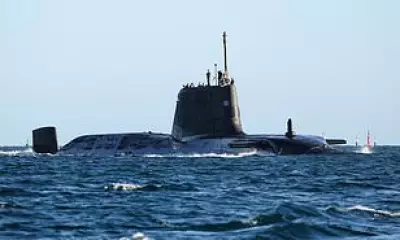
- Military Movements: US naval assets have been repositioned in the Eastern Mediterranean, while Israel conducts joint exercises with American forces. Iran, meanwhile, has test-fired missiles in a show of strength.
- Economic Impact: Global oil markets are reacting nervously to the tensions, with prices fluctuating amid fears of supply disruptions. Analysts predict that prolonged instability could trigger economic ripple effects worldwide.
- Public Sentiment: Protests have erupted in various capitals, with citizens expressing concern over the prospect of war. Social media is abuzz with debates, reflecting deep divisions over the appropriate response to the crisis.
Potential Scenarios and Future Outlook
The situation remains fluid, with several potential outcomes on the horizon. If diplomatic efforts fail, the region could witness:

- Limited Skirmishes: Small-scale clashes between Iranian proxies and Israeli forces, possibly escalating into broader conflicts.
- US Intervention: Direct American military involvement, either in support of Israel or as part of a coalition against Iran.
- Regional War: A full-scale war involving multiple countries, with catastrophic humanitarian and economic consequences.
Experts emphasize the need for cool heads and pragmatic solutions to avoid a disaster. The coming days will be critical in determining whether the tensions can be defused or if the region is headed toward another devastating conflict.