
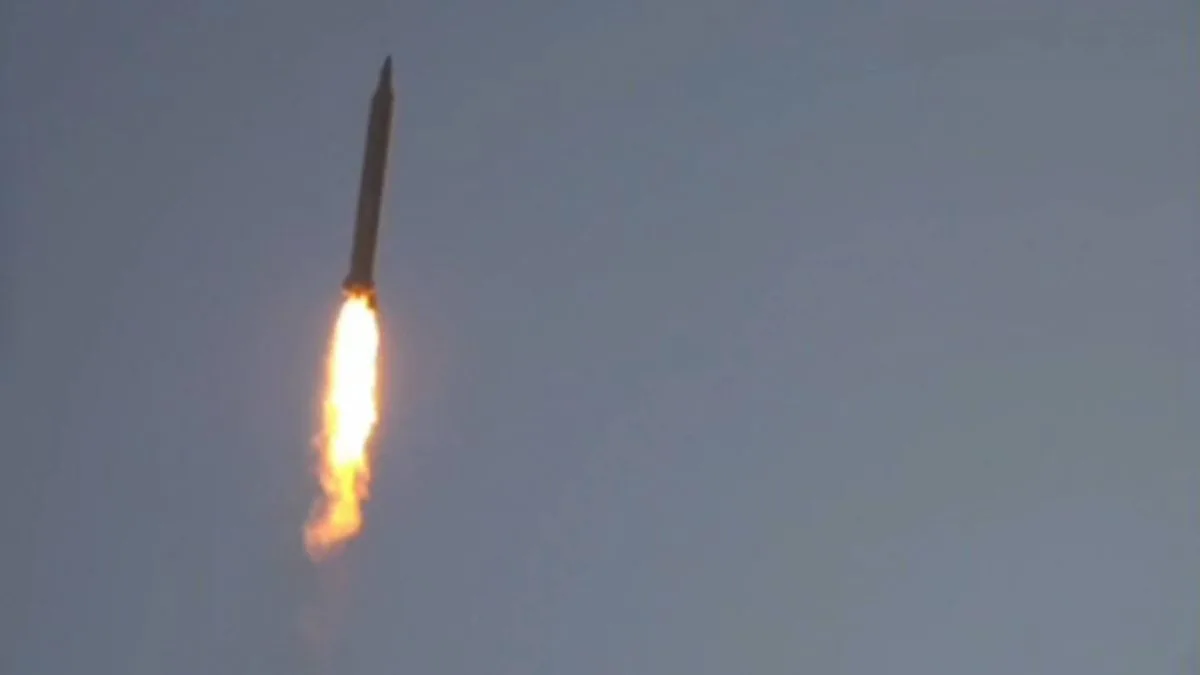
An Iranian missile and drone attack on Friday struck Prince Sultan Air Base in Saudi Arabia, leaving at least 10 US service members injured and damaging multiple refuelling aircraft, according to US officials. Two of the personnel sustained serious injuries, said the officials, who spoke on condition of anonymity due to the sensitivity of the information.
The attack follows the death of Army Sgt. Benjamin N. Pennington, 26, who succumbed to wounds from a similar strike on the same base on 1 March. He is among 13 US service members who have lost their lives in the month-long conflict. US Central Command revealed that over 300 personnel have been injured in total, with 30 still unable to serve and 10 classified as seriously wounded.
In response, the Pentagon is preparing to deploy at least 1,000 troops from the 82nd Airborne Division to the Middle East in the coming days, alongside two Marine units that will add approximately 5,000 Marines and thousands of sailors to the region. The 82nd Airborne is trained to parachute into contested territory to secure airfields and key terrain.
Diplomatic efforts continue amid the violence. The Trump administration has presented a 15-point ceasefire proposal to Iran, with Pakistan acting as an intermediary, though Tehran denies negotiations are under way. However, Iran has agreed to allow humanitarian and agricultural shipments through the Strait of Hormuz, a waterway whose disruption has caused fuel prices to soar globally.
President Donald Trump declared on Thursday that Iran has been "obliterated", while Defence Secretary Pete Hegseth stated that "never in recorded history has a nation's military been so quickly and so effectively neutralised." The attack was initially reported by The Wall Street Journal.




