US-Israeli Attack on Iran Postponed Due to Weather and Coordination Needs
Senior American and Israeli officials have revealed that a coordinated military strike against Iran was delayed by one full week due to a combination of poor weather conditions and the necessity for enhanced operational coordination between the two allied forces. The opening strike, which ultimately resulted in the death of Iran's Supreme Leader Ayatollah Ali Khamenei, had been originally scheduled for the previous Saturday.
Parallel Tracks of Diplomacy and Military Planning
For nearly two months prior to the authorization of strikes, President Donald Trump pursued parallel tracks of diplomacy and military planning concerning Iran. Military planners were prepared to move following a second round of US-Iran nuclear talks that concluded on February 17 without significant progress, but the final go-ahead was withheld.
Officials stated that weather conditions in the region constituted one primary factor in the decision to delay the operation. A second Israeli official indicated that the postponement was driven chiefly by the United States side and related to the requirement for tighter coordination with the Israel Defense Forces.
The Additional Week and Final Diplomatic Efforts
The additional week of delay created space for a final round of nuclear negotiations in Geneva, which US officials described as providing Iran with one last opportunity to reach a diplomatic agreement. According to a senior Israeli official cited by Axios, the initial strike plan specifically targeted Khamenei and his sons, along with several gatherings of senior Iranian officials, including a routine Saturday meeting.
Israeli Ambassador to the United States Yechiel Leiter disclosed that two separate meetings were in the crosshairs, both involving discussions on how to respond to internal unrest within Iran. During the delay period, US and Israeli intelligence officials reportedly grew concerned that Khamenei might relocate to an underground bunker, which would have significantly complicated the operation. Other targeted meetings were expected to occur above ground.
'The US and Israel wanted to signal that there was no imminent strike, so that Khamenei and the others would feel safe,' one Israeli intelligence official told Axios. A senior Trump administration official expressed surprise that Khamenei was not hiding underground but added, 'Even if he were above ground, we would have gotten him.'
Geneva Talks and the Final Proposal
The Geneva talks proceeded as scheduled, although accounts differ on whether they were primarily tactical or substantive in nature. One Israeli official told Axios the meeting helped buy time while preserving the appearance that diplomacy remained Trump's preferred path. Two US officials rejected that characterization, asserting the negotiations were conducted in earnest even if expectations were low.
When the Thursday session concluded, Trump envoys Jared Kushner and Steve Witkoff returned with a final proposal: a ten-year moratorium on Iranian uranium enrichment followed by limited symbolic enrichment capacity. The United States also offered to supply Iran with nuclear fuel for civilian use. Another US official stated the administration was 'very explicit about' the possibility of military force if Iran rejected the offer.
'There was a concerted effort to negotiate in good faith, including in Geneva. But nothing came of it. And we had our assets ready to go. So the president decided to strike,' a US official told Axios. 'Iran could have prevented this by negotiating in good faith. They didn't.'
Execution of the Coordinated Assault
Following the collapse of talks, President Trump authorized a coordinated US-Israeli assault on Iranian military infrastructure and leadership targets. US B-2 stealth bombers struck ballistic missile facilities with two-thousand-pound bombs. Israeli fighter jets targeted buildings linked to Iran's air force, missile command, and internal security forces.
Trump announced on social media that nine Iranian warships had been sunk and that the Iranian navy's headquarters had been 'largely destroyed.' The Ayatollah's palace was destroyed by missiles as part of the military operation.
Iran's Response and Regional Fallout
In the aftermath of Khamenei's death, Iran vowed retaliation and launched missile and drone strikes across the region. These strikes killed three US service members deployed to Kuwait. Israeli rescue services reported nine deaths in Beit Shemesh and additional casualties elsewhere.
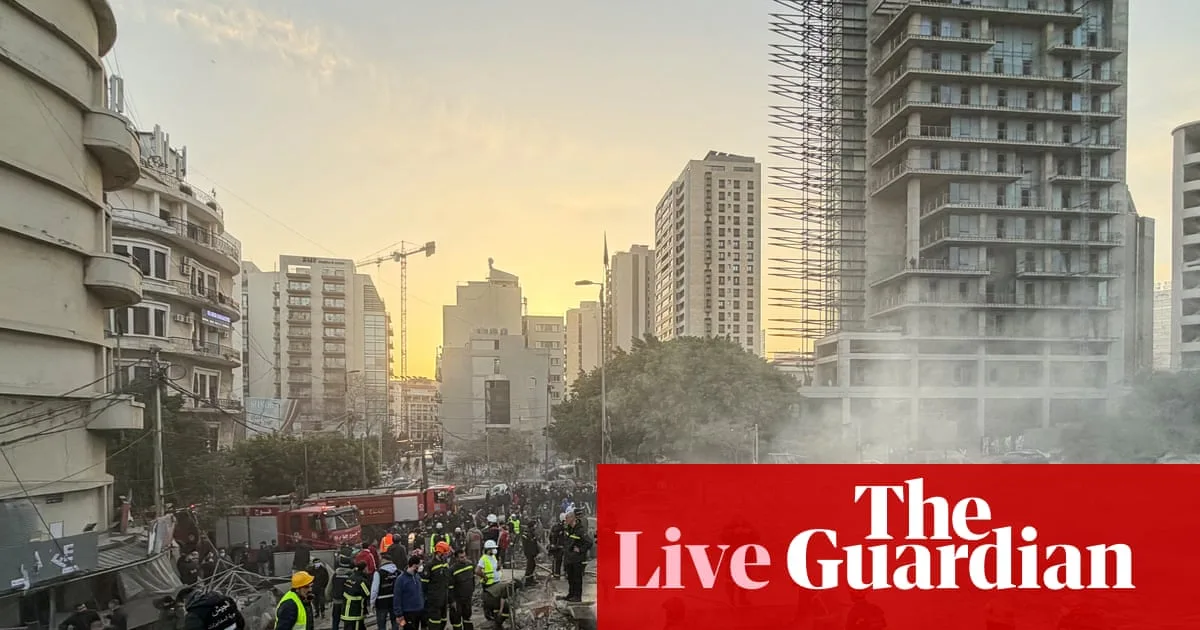
Hezbollah fired missiles into Israel from Lebanon, prompting Israeli airstrikes on Beirut. Gulf states signaled they reserve the right to respond after Iranian strikes hit civilian areas in the United Arab Emirates, Kuwait, and Bahrain.
In Tehran, residents sheltered during airstrikes as smoke rose over the skyline. Iran's parliamentary speaker Mohammad Bagher Qalibaf warned in a televised address: 'You have crossed our red line and must pay the price. We will deliver such devastating blows that you yourselves will be driven to beg.' Government supporters gathered in mourning after state television officially announced the death of Supreme Leader Ayatollah Ali Khamenei.




