Massive US-Israeli Military Blitz Kills Over 200 in Iran, Triggering Regional Retaliation
A devastating joint military operation conducted by the United States and Israel, codenamed Epic Fury by American forces, has resulted in the deaths of more than 200 people across Iran, dramatically escalating tensions in the Middle East and sparking fears of a broader global conflict. The coordinated strikes, described as the largest regional concentration of American military firepower in a generation, specifically targeted areas in Tehran, including the vicinity of Supreme Leader Ayatollah Ali Khamenei's offices.
Claims of Supreme Leader's Death and Immediate Fallout
Israeli officials have claimed that Ayatollah Khamenei, 86, was killed during the assault, with Prime Minister Benjamin Netanyahu stating that "signs are growing" he had been eliminated. An Israeli official further asserted that Khamenei's body had been recovered from the rubble of his flattened residence. Satellite imagery later showed the building in ruins, with smoke rising from the Iranian capital. In response, US President Donald Trump addressed the Iranian people directly, urging them to "seize control of your destiny" and overthrow the Islamic leadership that has governed since 1979, adding, "When we are finished, take over your government."
Iranian Retaliation and International Warnings
Iran swiftly retaliated for the attacks by launching missiles and drones targeting Israel and American military installations in Bahrain, Kuwait, and Qatar. Notably, the five-star Fairmont The Palm hotel in Dubai was struck, with footage showing significant flames and smoke. The British Foreign Office issued urgent shelter-in-place warnings for UK nationals in the United Arab Emirates, Bahrain, Qatar, and Kuwait, while advising those in Jordan, Syria, Lebanon, Iraq, Yemen, Turkey, Saudi Arabia, and Oman to "remain vigilant." Travel advice was updated to warn against all travel to Israel and Palestine, with major airlines cancelling flights to the region.

Humanitarian Toll and Military Details
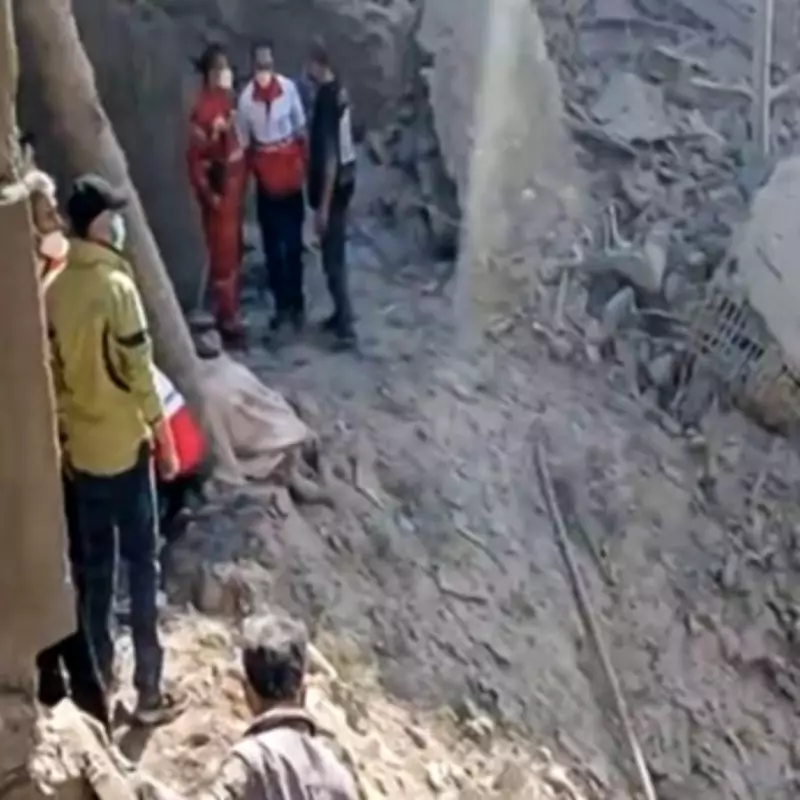
According to Iranian state media, citing the Red Crescent, at least 201 people have been killed and over 700 injured nationwide. A particularly tragic incident occurred in southern Iran, where a missile strike on a girls' school killed at least 85 people and wounded dozens more. The US Central Command stated that the operation focused on locations posing an imminent threat, including Islamic Revolutionary Guard Corps command facilities, air defence systems, and missile launch sites. The strikes, which began shortly before 10am, reportedly included the first combat use of low-cost one-way attack drones. About twelve hours after the attacks commenced, the US military reported no American casualties and minimal damage to its bases.
International Reactions and Diplomatic Moves
British Prime Minister Keir Starmer confirmed that the UK did not participate in the strikes but had planes in the Middle Eastern skies and had elevated protections for British bases and personnel to their highest level. He called on Iran to "end this now" by refraining from further strikes, abandoning its weapons programme, and ceasing violence against its people. Foreign Secretary Yvette Cooper expressed solidarity with the UAE, condemning the "indiscriminate Iranian strikes." The UN Security Council was scheduled to meet, with Iranian Foreign Minister Abbas Araghchi warning in a letter that all bases and assets of hostile forces in the region would be considered legitimate military targets. The International Atomic Energy Agency stated it was closely monitoring Iran's nuclear facilities but had seen no evidence of radiological impact.

Broader Context and Political Implications
This attack, occurring during the Islamic holy month of Ramadan, marks the second time in just eight months that the Trump administration has struck Iran amid negotiations over its nuclear programme. The immediate trigger appears to be the unsuccessful latest round of nuclear talks, but the strikes also reflect significant political shifts that have weakened Iran's leadership since the Islamic Revolution. Despite calls for regime change from both the US and Israel, neither nation has outlined a clear vision for potential new leadership in Iran. The escalating conflict threatens to destabilise the entire region further, with global powers now anxiously watching the unfolding crisis.