
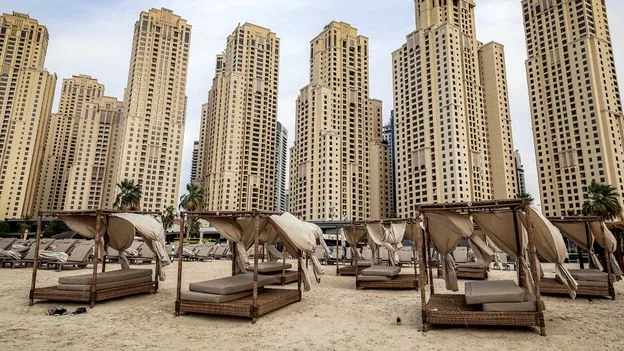
Dubai's tourism industry is reeling from the 'brutal' impact of the US-Israel war with Iran, with visitor numbers collapsing and businesses struggling to survive. Last year, the emirate welcomed 19.59 million international visitors, making it one of the world's most-visited cities. But since the conflict began on 28 February, the momentum has been sharply disrupted.
Restaurants across Dubai have seen a dramatic drop in customers. Natasha Sideris, founder of the Tashas hospitality group, which operates 14 outlets in the UAE, says revenues have fallen by more than 50% in some restaurants, while tourist-dependent outlets have seen declines of 70% to 80%. She has cut salaries by 30% for all staff, including herself, to avoid layoffs. 'The current situation is brutal,' she says.
One senior executive at a restaurant chain, speaking anonymously, said footfall has dropped to just 15-20% of normal, forcing them to place more than half of staff on unpaid leave and temporarily shut some outlets. The entire tourism ecosystem, from hotels and travel agencies to transport companies and airlines, is feeling the strain.
The UAE has come under repeated attacks, with authorities reporting more than 2,400 missiles and drones launched towards the country, targeting airports, ports and civilian areas. Over 90% were intercepted, but debris has fallen on parts of Dubai, including the Fairmont hotel on Palm Jumeirah. Eleven people have been killed and more than 185 injured across the UAE.
Air travel has been severely disrupted, with tens of thousands of tourists stranded in the early weeks and thousands of flights cancelled. Dubai International Airport, the world's busiest for international passengers, has seen operations reduced. Hotel occupancy levels dropped to between 15% and 20% of the usual level for this time of year, according to Mamoun Hmiden of travel booking firm Wego. Hotels have responded with deep discounts, with some luxury properties on Palm Jumeirah cutting prices by as much as half.




