US-Iran Nuclear Talks Scheduled for Geneva Amid Escalating Tensions
The United States and Iran are set to engage in a crucial round of nuclear negotiations in Geneva this Thursday, a development officially confirmed by Oman's Foreign Minister, Badr al-Busaidi. This announcement comes as diplomatic efforts intensify to address long-standing disputes over Iran's nuclear programme, with both sides preparing for high-stakes discussions that could shape regional stability.
Diplomatic Optimism and Key Contention Points
Iran's top diplomat, Abbas Araghchi, has expressed cautious optimism regarding the upcoming talks, stating that a draft proposal for a diplomatic resolution is expected to be ready within days. However, he reiterated that Iran's right to enrich uranium remains a fundamental and non-negotiable point of contention in the negotiations. This stance underscores the deep-seated disagreements that have historically plagued US-Iran relations, with enrichment capabilities being a central issue in nuclear proliferation concerns.
US Military Posturing and Warnings
Concurrently, the US administration has significantly bolstered its military presence in the Middle East, issuing stark warnings of potential limited strikes against Iran should the nuclear talks fail to yield progress. US officials suspect that Iran's nuclear programme is aimed at developing weapons, a claim Iran has consistently denied, asserting its activities are for peaceful purposes. This military buildup adds a layer of urgency to the diplomatic proceedings, highlighting the precarious balance between negotiation and conflict.

Domestic Unrest in Iran Coincides with Talks
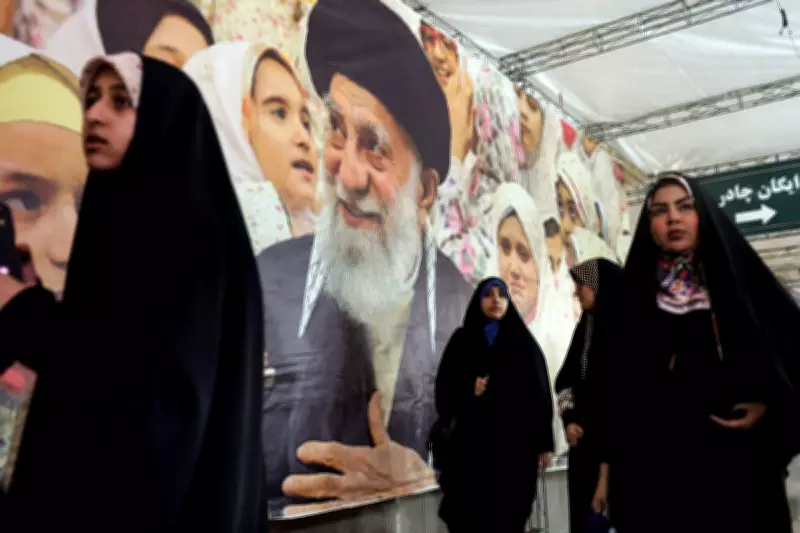
The nuclear talks are unfolding against a backdrop of fresh anti-government protests across Iran, where university students have been demonstrating at 40-day memorials for victims of a previous nationwide crackdown. Human rights groups report that at least 7,015 people were killed during this earlier suppression, described as the deadliest under Supreme Leader Ali Khamenei's rule, while the Iranian government has acknowledged 3,117 fatalities. These protests reflect ongoing domestic discontent and complicate the international diplomatic landscape, as internal pressures may influence Iran's negotiating stance.
As the world watches, the Geneva talks represent a pivotal moment in US-Iran relations, with outcomes potentially impacting global security, regional dynamics, and the lives of millions affected by both geopolitical tensions and internal strife.