The United States and Iran are currently engaged in indirect negotiations aimed at extending a two-week ceasefire beyond its scheduled expiry on 22 April. This diplomatic effort comes as Pakistan's army chief arrived in Tehran to bolster mediation initiatives, highlighting the complex regional dynamics at play.
White House Optimism Amid Denials
Karoline Leavitt, the White House press secretary, clarified on Wednesday that the US has not formally requested an extension of the ceasefire. However, she emphasised that Washington remains deeply involved in the negotiations. Leavitt stated that a second round of talks is very likely to be held in Islamabad, expressing confidence in the prospects of a deal despite recent failures to reach a peace agreement.
"Nothing is official until you hear it from us here at the White House," she added, underscoring the cautious approach of the administration.

Pakistan's Diplomatic Push
Pakistani officials have launched a new round of shuttle diplomacy to negotiate an end to the conflict. Field Marshal Asim Munir led a high-powered delegation to Tehran, conveying messages from Washington and working to arrange further US-Iranian ceasefire talks. The delegation included interior minister Mohsin Naqvi, according to officials in Islamabad.
Simultaneously, Prime Minister Shehbaz Sharif embarked on a four-day tour to Saudi Arabia, Qatar, and Turkey to coordinate support from other regional powers for peace efforts. Reports suggest both the US and Iran favour prolonging the truce, though former President Donald Trump hinted that an extension might not be necessary for a peace agreement.
Iran's Preconditions and Israeli Actions
Iran has demanded an end to Israeli attacks on Lebanon as a precondition for further negotiations with the US. Israel, however, has portrayed its talks with the Lebanese government in Washington as a historic opportunity to weaken Hezbollah's influence. Israeli Prime Minister Benjamin Netanyahu indicated in a video statement that he has not committed to a ceasefire, with the IDF continuing strikes on Hezbollah in Bint Jbeil and expanding security operations in Lebanon.
Lt Gen Eyal Zamir, the Israeli army chief of staff, visited troops and vowed to eliminate Hezbollah's presence south of the Litani River, declaring it a "terrorist kill zone." Despite this, two Lebanese officials told Reuters they expect a ceasefire with Israel could be announced soon, though details remain scarce.
Naval Blockades and Economic Pressures
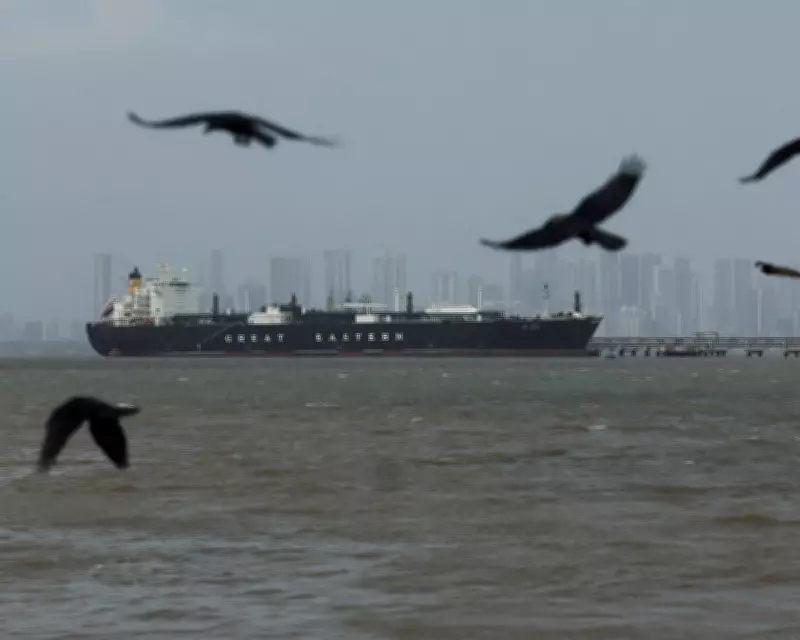
The US military has fully implemented a naval blockade of Iranian ports, turning back nine ships, including the Chinese-owned tanker Rich Starry, which attempted to cross the Strait of Hormuz. Maj Gen Ali Abdollahi, leader of Iran's joint military command, warned that Iran could halt trade in the Gulf region if the US does not lift its blockade.
US Treasury Secretary Scott Bessent stated that the US is prepared to escalate financial pressure on Iran, likening it to the "financial equivalent" of a bombing campaign. This includes secondary sanctions on entities dealing with Iranian oil or banking.
International Reactions and Trump's Predictions
China has objected to the naval blockade, though Trump claimed to have secured agreement from President Xi Jinping not to send arms to Iran. The Financial Times reported that Iran's Revolutionary Guard acquired a Chinese spy satellite in 2024, used to target US bases during the conflict.
Trump predicted a swift end to the war, telling ABC News that the conflict could conclude before the ceasefire expires, either through a deal or US withdrawal after inflicting damage on Iran's military. He also noted to Fox News that oil prices, hovering around $95, could decline sharply post-conflict.
Following the breakdown of Islamabad talks, Trump ordered the naval blockade to counter Iran's closure of the Strait of Hormuz and increase economic pressure. Ali Abdollahi reiterated that Iran would block all regional trade if the US blockade persists, asserting Iran's commitment to defending its sovereignty.