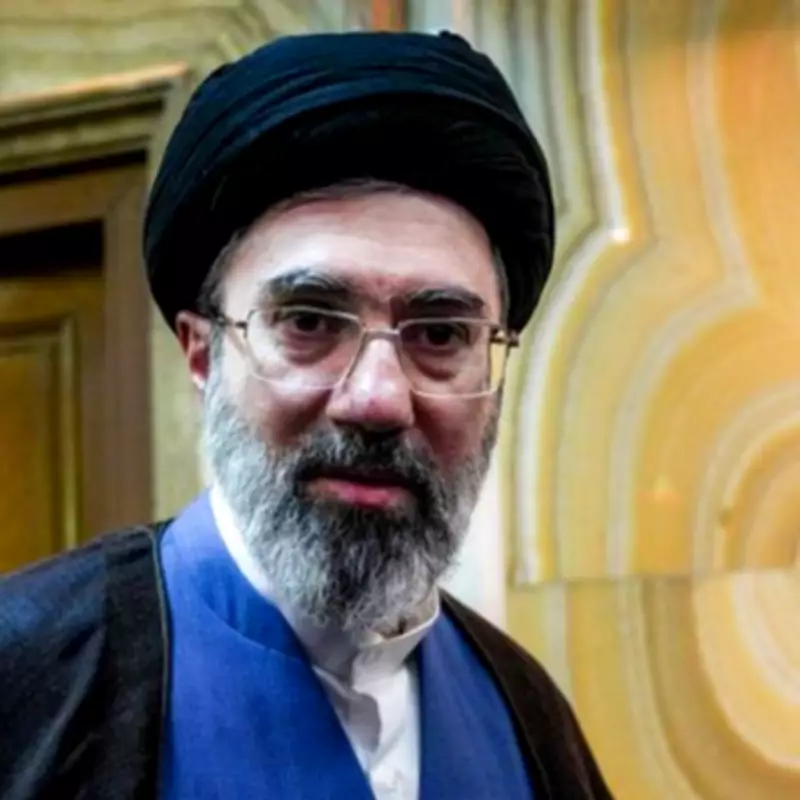
In a significant development concerning the ongoing tensions in the Middle East, United States Director of National Intelligence Tulsi Gabbard has issued a crucial update regarding the health status of Iran's new Supreme Leader, Mojtaba Khamenei. This announcement comes directly in response to widespread rumours and earlier claims made by former President Donald Trump, who had publicly speculated that Khamenei might be deceased.
Confirmation of Injuries from Israeli Attack
According to the official statement released by Director Gabbard, Mojtaba Khamenei sustained severe injuries as a result of a targeted Israeli military strike. The intelligence update provides the first concrete details from a U.S. authority, clarifying the situation after days of uncertainty and international concern. The attack, which is believed to have occurred recently, has raised serious questions about the escalating conflict between Israel and Iran, with potential implications for regional stability and global diplomacy.
Background and Trump's Earlier Comments
The news follows provocative remarks from Donald Trump, who had previously suggested that the Supreme Leader could be dead, adding fuel to the speculative fire surrounding Khamenei's condition. Trump's comments, made without official confirmation at the time, had sparked a flurry of media attention and diplomatic unease. The update from Tulsi Gabbard now serves to address these claims directly, offering a factual basis for understanding the leader's current health predicament.

This breaking story underscores the volatile nature of the Middle East conflict, with key political figures becoming directly involved in military incidents. The confirmation of Khamenei's injuries highlights the ongoing risks faced by high-profile individuals in the region, as well as the complex intelligence-gathering efforts required to monitor such situations accurately.
Implications for International Relations
The revelation that Iran's Supreme Leader was badly wounded in an Israeli attack is likely to have profound consequences for international relations. It may influence diplomatic negotiations, military strategies, and public perceptions in both the United States and allied nations. As the situation continues to evolve, further updates are expected from intelligence agencies and governmental bodies, with the world watching closely for any shifts in policy or escalation in hostilities.
This report is based on the latest information available and will be updated as more details emerge. The involvement of figures like Tulsi Gabbard and Donald Trump adds a layer of political significance to the event, making it a focal point for discussions on national security and foreign policy.