
The United States has evacuated dozens of non-essential personnel from its embassy in Lebanon, citing security concerns as tensions with Iran escalate. A senior State Department official described the move as a 'prudent' measure to reduce the embassy's footprint to essential staff, while maintaining core operations.
The drawdown comes as US ships and warplanes are positioned in the region for a potential strike against Iran. Reports indicate that roughly 30 to 50 US embassy personnel have left Lebanon via Beirut-Rafic Hariri International Airport, to protect them from possible Iranian retaliation if tensions spiral into conflict.
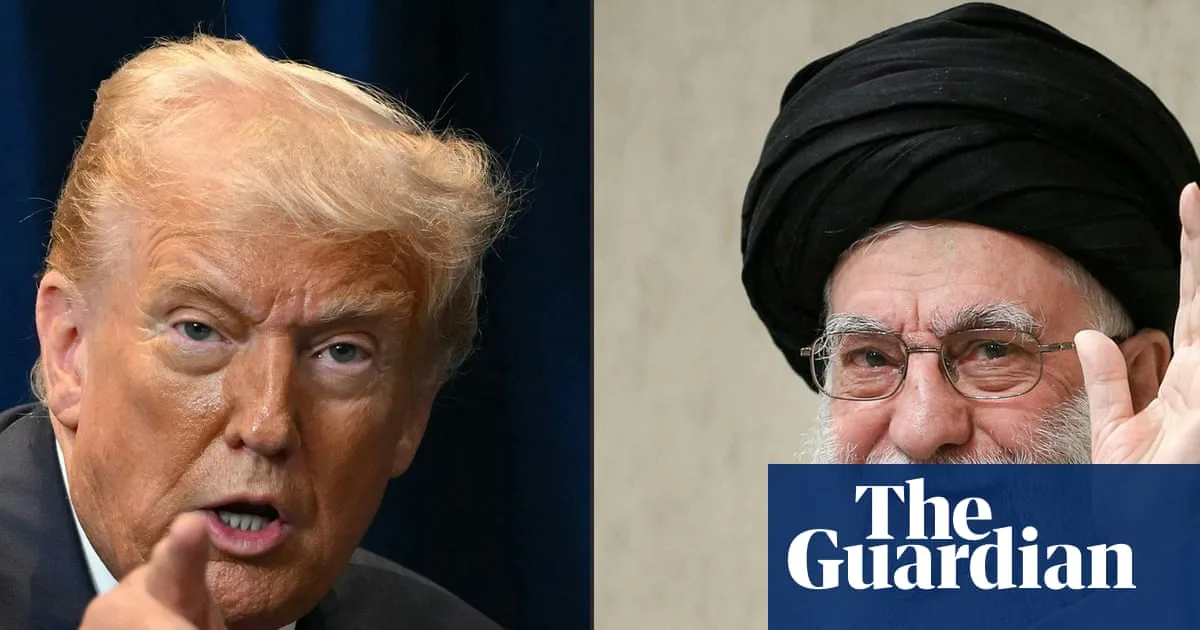
The US and Iran are scheduled to hold a third round of indirect talks in Geneva on Thursday regarding Iran's nuclear programme. President Donald Trump has demanded a 'meaningful deal' to prevent Iran from developing nuclear weapons, warning that 'bad things' would occur without an agreement.
This is not the first time the US has evacuated embassy staff in preparation for conflict with Iran. In 2025, non-essential personnel were temporarily removed from embassies in Iraq, Bahrain, and Kuwait before strikes on Iranian nuclear facilities. US officials have warned that Iran could retaliate by launching missiles at US diplomatic sites or through proxy forces like Hezbollah in Lebanon.
Meanwhile, Iran conducted joint military drills with Russia last week, testing new anti-ship missiles capable of threatening the Strait of Hormuz. The US has also begun withdrawing military personnel from bases in Syria, though the Trump administration denies this is linked to potential strikes on Iran. The US has deployed two aircraft carriers, dozens of warplanes, and advanced aircraft to the region in its largest military buildup since before the Iraq war.




