US Diplomats Instructed to Emphasise American 'Generosity' in Africa Amid Policy Overhaul
Senior US diplomats have reportedly been directed to "unabashedly and aggressively" remind African governments about the perceived generosity of the American people, according to a confidential email leaked from the State Department's Bureau of African Affairs. The internal communication, dated January and obtained by the Guardian, outlines a significant shift in Washington's approach to the continent.
Controversial Directive Follows Strategic Reassessment
The email explicitly states that diplomats should counter what it describes as "false narratives" regarding US contributions, particularly in areas like HIV/AIDS containment and famine relief. "It's essential to counter the false narrative that the United States isn't in many cases the largest donor and to ensure that we can more effectively leverage that assistance to advance our interests," the message asserts.
This directive originates from Nick Checker, the newly appointed head of the Bureau of African Affairs, who previously served over a decade with the CIA as a conflict analyst. His appointment aligns with the Trump administration's revised National Security Strategy, which advocates transitioning from aid-focused relationships to those centred on trade and investment.
Africa Described as 'Peripheral' in Leaked Assessment
Checker's email provides a stark assessment of Africa's importance to US interests, describing the continent as "a peripheral – rather than a core – theater for US interests that demands strategic economy." It further argues that framing Africa as strategic has historically served "bureaucratic and moral imperatives, not hard interests."
The communication does identify some potential engagement opportunities, including conflict mediation in regions like the Democratic Republic of Congo and Rwanda, alongside investment prospects in critical mineral development and energy sectors.
Critics Decry 'Racist' Tone and Question Timing
The leaked email has drawn sharp criticism from seasoned diplomatic observers. A former senior State Department official with two decades of African experience labelled the communication "offensive and downright racist," arguing its suggestions contradict US national security interests.
Kristofer Harrison, a former senior State Department official and president of the DeKleptocracy Project, questioned the logic of emphasising generosity while reducing aid. "He's talking about communities where the US withdrew lifesaving drugs that kept people alive. Yet, he's concerned about messaging to those surviving that America is generous?" Harrison remarked.
A West African diplomat, experienced in conflict mediation across Chad and the DRC, acknowledged US humanitarian contributions but noted "the fact that aid has been abruptly reduced or stopped is indeed creating unease." The diplomat suggested that under current circumstances, reiterating American generosity may no longer be appropriate.
Parallel USAID Closure Sparks Legal and Ethical Concerns
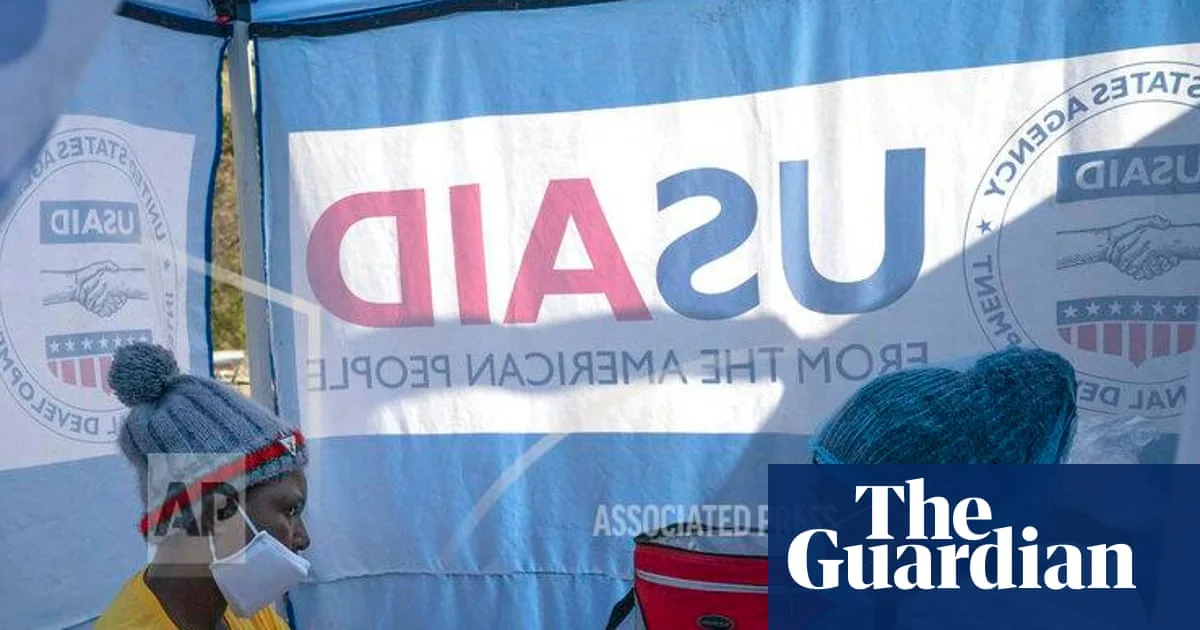
Separately, the United States Agency for International Development (USAID) has circulated an invitation for private companies to bid on a contract to manage the agency's closure. The document, titled "Institutional Support for USAID Closeout," outlines requirements for completing statutory, regulatory, financial, and personnel obligations.
Notably, the invitation prohibits potential bidders from hiring anyone with previous USAID experience. The proposed contract could extend until March 2028, suggesting a prolonged shutdown process.
This move follows USAID's gutting last year by Elon Musk's "department of government efficiency" and has sparked allegations of illegality. "It's absolutely illegal," stated the former State Department official, "And it's illegal to target former USAID staff who served this country."
Critics argue the closure violates legal protocols, as USAID was established through Congressional act and is being dismantled without proper legislative approval. A recent funding bill passed by the US House attempts to codify the shutdown, though it awaits Senate approval.
Harrison condemned the USAID closure as "a gift to worldwide corruption and authoritarianism," characterising it as an unwise administrative decision. The US State Department has not provided immediate comment on these developments.






