US Military Action in Strait of Hormuz as Trump Announces Destruction of Iranian Mine-Laying Vessels
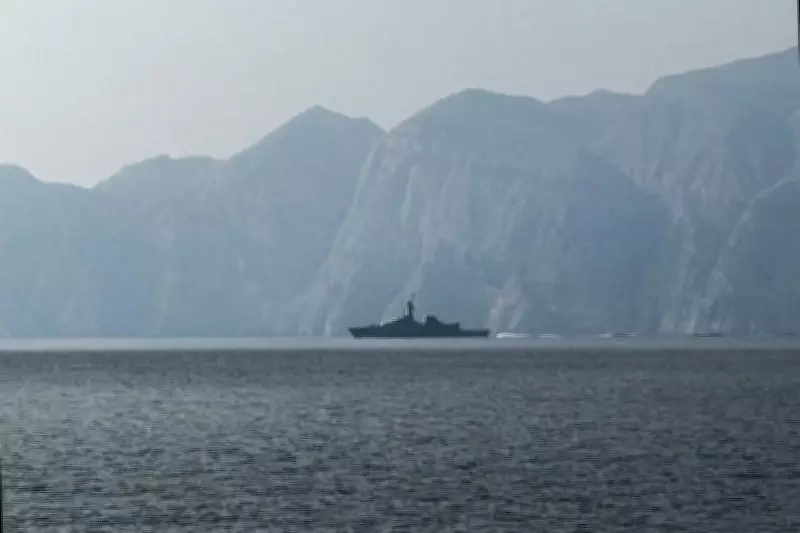
Former President Donald Trump has declared that the United States military successfully destroyed 10 inactive mine-laying boats in the strategically vital Strait of Hormuz. This decisive action was taken in response to intelligence reports indicating that Iran was either preparing to deploy or had already laid mines in the waterway, which is responsible for transporting approximately one-fifth of the world's oil supply.
Escalating Tensions and Military Warnings
Trump had previously issued a stern warning to Iran, stating that if the mines were not removed promptly, the nation would face unprecedented military consequences. The situation escalated rapidly, leading to the confirmed strikes by US forces. Defense Secretary Pete Hegseth reinforced the administration's stance, asserting that the United States would not allow the Strait of Hormuz to be held hostage by any hostile actions. He put the Iranian regime on clear notice, emphasizing the US commitment to safeguarding international maritime security.
Impact on Maritime Traffic and Human Cost
The ongoing conflict has had severe repercussions, with maritime traffic through the Strait of Hormuz reportedly drying up as Iran attempts to assert complete control over the area. The human toll has been significant, resulting in over 1,230 deaths in Iran, including the loss of Ayatollah Ali Khamenei, and seven American service members. Public opinion remains deeply divided on the conflict's duration and the broader implications for regional stability.
Global Implications and Future Outlook
This military engagement underscores the high stakes involved in protecting key global trade routes. The destruction of the mine-laying vessels highlights the US's proactive measures to prevent disruptions to oil supplies, which could have far-reaching economic consequences worldwide. As tensions persist, the international community watches closely, with concerns mounting over potential further escalations and the long-term impact on diplomatic relations in the Middle East.