Hereditary Peers to Vacate Red Benches Before Next King's Speech
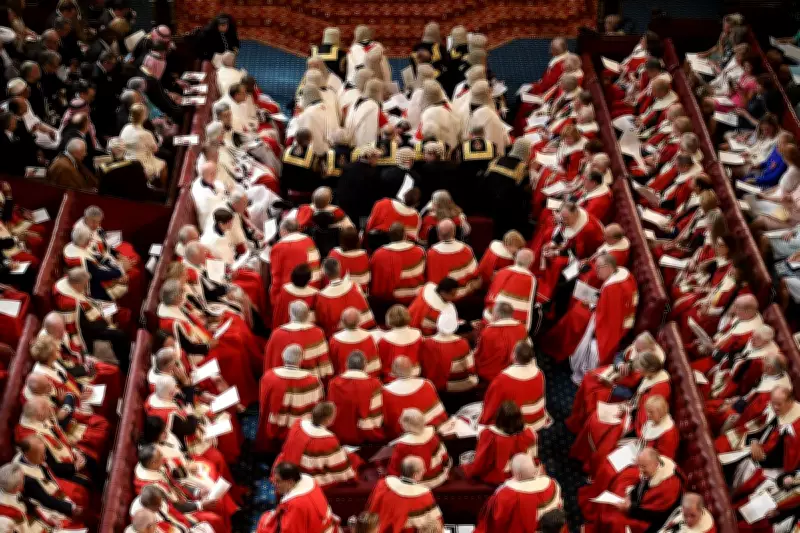
The House of Lords has taken a historic step toward modernisation by accepting the final draft of the House of Lords (Hereditary Peers) Bill. This legislative move clears the path for the bill to be enshrined in statute, effectively ending the centuries-old tradition of hereditary peers occupying seats in Parliament's upper chamber.
End of an Era for Inherited Titles
Since the landmark reforms of 1999, a maximum of 92 hereditary peers have retained their right to sit and vote in the House of Lords. The newly passed bill reduces this quota to zero, meaning hereditary peers who have not been appointed as life peers will lose their parliamentary seats once the current session concludes later this spring.
Lords Leader Baroness Smith of Basildon emphasised that this reform addresses a fundamental constitutional principle rather than questioning individual contributions. "This has never been about the contribution of individuals but the underlying principle that was agreed by Parliament over 25 years ago that no one should sit in our Parliament by way of an inherited title," she stated during the proceedings.
Political Accommodations and Transitions
The government has engaged in constructive discussions with opposition parties regarding the transition. Conservative members will be allocated a number of life peerages to maintain their representation. "We appreciate the case that has been made by the official opposition that they rely significantly on the experience of hereditary peers, particularly on the front bench, but also in committees," Baroness Smith explained.
Currently, 84 hereditary peers actively participate in the Lords, with 42 aligned with the Conservative whip and 31 serving as independent crossbenchers. The final selection of individuals for life peerages will remain subject to standard vetting procedures by the House of Lords Appointments Commission.
Mixed Emotions and Historical Reflections
The bill's passage has evoked diverse reactions across the political spectrum. Lord Forsyth of Drumlean expressed gratitude for hereditary peers' service, stating, "Whatever views people may have of this constitutional change, it is sad to say goodbye to friends, who in many cases have contributed significantly to debate and scrutiny and to our institutional memory."
Conservative shadow Lords leader Lord True described the legislation as a "bitter pill" for many colleagues, acknowledging the end of over seven centuries of hereditary participation. He reflected on their historical contributions, from constitutional reforms to abolitionist movements, while urging mutual respect for differing perspectives on the change.
Constitutional Implications and Future Composition
Crossbencher the Earl of Devon warned that Parliament might miss the departing hereditary peers as "an essential ancient thread in the complex and fragile constitutional fabric that supports our nation." Meanwhile, Conservative former minister Lord Hamilton of Epsom offered a more cynical view, suggesting the Lords would now be dominated by "political chancers" and appointed members.
In contrast, Liberal Democrat peer Lord Newby welcomed the reform as "long overdue," expressing relief at this constitutional milestone. The Lord Speaker has formally thanked hereditary peers for their service, marking a respectful conclusion to their parliamentary roles.
This legislative development represents the most significant change to Lords composition since 1999, fundamentally altering the character of Britain's second chamber as it prepares for the next King's Speech and future parliamentary sessions.