A newly announced diplomatic working group between the United States, Denmark, and Greenland has gotten off to a contentious start, following contradictory statements from officials about its fundamental purpose.
Conflicting Visions for Dialogue
The initiative was announced on Wednesday, 14 January 2026, after a meeting in Washington between US Vice-President JD Vance, Secretary of State Marco Rubio, and the foreign ministers of Denmark and Greenland. The channel was intended to address what were described as "fundamental" disagreements concerning Greenland.
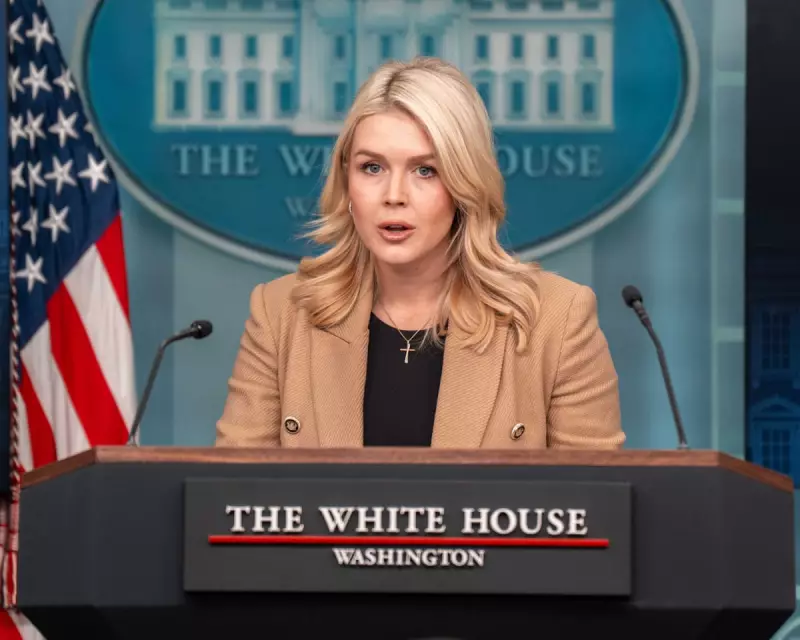
However, the apparent consensus swiftly unravelled. Karoline Leavitt, press secretary for former and now current President Donald Trump, stated that the working group was established to conduct "technical talks on the acquisition of Greenland."

This interpretation prompted a firm and immediate rebuttal from the Danish side.
Denmark Reiterates Its Red Lines
Danish Foreign Minister Lars Løkke Rasmussen was quick to deny the US characterisation. In a statement to Danish broadcaster TV2, he reiterated Denmark's unwavering position on territorial sovereignty.
Rasmussen hinted strongly that if the United States approached the discussions with the aim of purchasing Greenland, the dialogue would be brief. He suggested it would become "a very, very short series of meetings."
The diplomatic awkwardness was further underscored on Friday, 16 January, as a delegation of US parliamentarians arrived in Copenhagen for talks with senior Danish and Greenlandic officials, including Rasmussen.
Symbolism and Substance in Copenhagen
As the US delegation entered the Folketing, Denmark's parliament, for their meetings, they were met with a potent symbol: the Greenlandic flag flying above the building. The visual statement reinforced the message that Greenland's status is not open for negotiation in the way suggested by the White House comments.
Analysts expect Leavitt's controversial remarks to be a central topic during the parliamentary visit. The incident highlights the delicate and potentially volatile nature of Arctic geopolitics, where national interests, sovereignty, and strategic resources intersect.
The rocky inauguration of this working group sets a challenging precedent for future dialogue, casting doubt on whether the three parties can find common ground or if their "fundamental disagreements" are too profound to bridge.