Rubio to Meet Danish Officials on Greenland as Military Option Remains on Table
US-Denmark Greenland Talks Amid Military Threat

US Secretary of State Marco Rubio is scheduled to hold talks with Danish officials next week concerning the future of Greenland, following a series of stark warnings from Washington that it has not ruled out using military force to acquire the mineral-rich Arctic island.

Diplomatic Crisis Escalates Over Arctic Territory

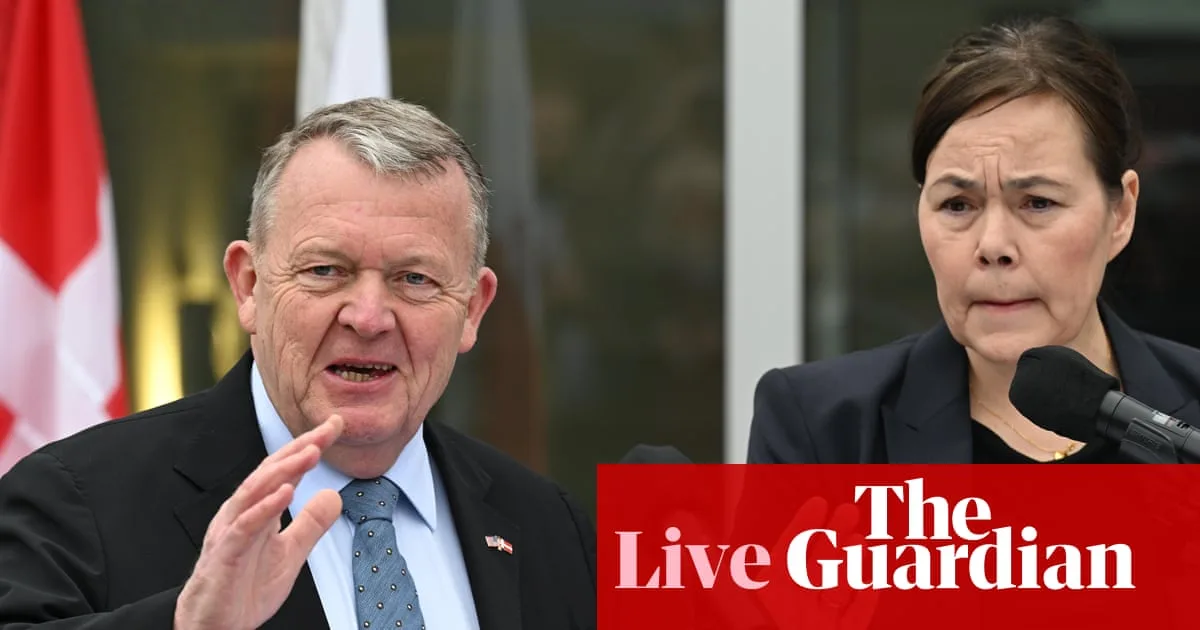
The meeting, requested by Danish Foreign Minister Lars Lokke Rasmussen and Greenland's own foreign minister, Vivian Motzfeldt, comes amid a rapidly escalating diplomatic row. President Donald Trump has repeatedly doubled down on threats to take control of Greenland, a self-governing territory of Denmark, which is a fellow NATO member. On Wednesday 7 January 2026, the White House stated that “utilising the US military is always an option” to achieve this foreign policy goal, a stance Mr Rubio later echoed to reporters in Washington DC.

However, the US Secretary of State indicated that diplomacy would be prioritised, saying President Trump “retains the option” of military action but would seek a diplomatic solution first. He notably avoided answering direct questions on whether the administration was prepared to jeopardise the NATO alliance by proceeding with an occupation of Greenland.

European Allies Unite in Defence of Danish Sovereignty

The Trump administration's position has triggered a firm and unified response from European allies. In a powerful joint statement issued on Tuesday, the leaders of France, Germany, Italy, Poland, Spain, and the United Kingdom stood alongside Danish Prime Minister Mette Frederiksen. They declared unequivocally that “it is for Denmark and Greenland, and them only, to decide on matters concerning Denmark and Greenland.” Prime Minister Frederiksen has warned that a US takeover would effectively mean the end of the NATO alliance.

The White House rationale, revived since the capture of former Venezuelan leader Nicolas Maduro, centres on national security. Officials argue that controlling Greenland—which guards Arctic and North Atlantic approaches—is vital to counter rising threats from China and Russia in the region.

Mixed Reactions from US Lawmakers

Within the United States, the prospect of seizing Greenland has received a cautious and divided response, even among Republicans. While some senators, like Roger Marshall of Kansas, see strategic value and hope for a negotiated deal, others have expressed deep concern. Alaska Senator Lisa Murkowski stated she hated “the rhetoric around either acquiring Greenland by purchase or by force,” calling it “very, very unsettling.”

In a significant bipartisan rebuke, Democratic Senator Jeanne Shaheen and Republican Senator Thom Tillis, co-chairs of the Senate NATO Observer Group, issued a joint statement. They emphasised that the US must honour its treaty obligations to Denmark, warning that “any suggestion that our nation would subject a fellow NATO ally to coercion or external pressure undermines the very principles of self-determination that our alliance exists to defend.”

White House press secretary Karoline Leavitt mirrored the administration's dual-track approach, stating on Tuesday that military action was an option, but clarifying the following day that the president's first preference remained diplomacy. All eyes will now be on next week's high-stakes meeting between Secretary Rubio and Danish officials.




