US Reportedly Weighs Occupation of Iran's Key Kharg Island Oil Terminal
According to recent reports, the United States is considering plans to occupy or blockade Iran's Kharg Island in an effort to pressure Tehran into reopening the strategic Strait of Hormuz. This development comes despite previous statements by former President Donald Trump suggesting he was not inclined to deploy ground troops, highlighting the escalating tensions in the region.
High-Risk Strategic Asset
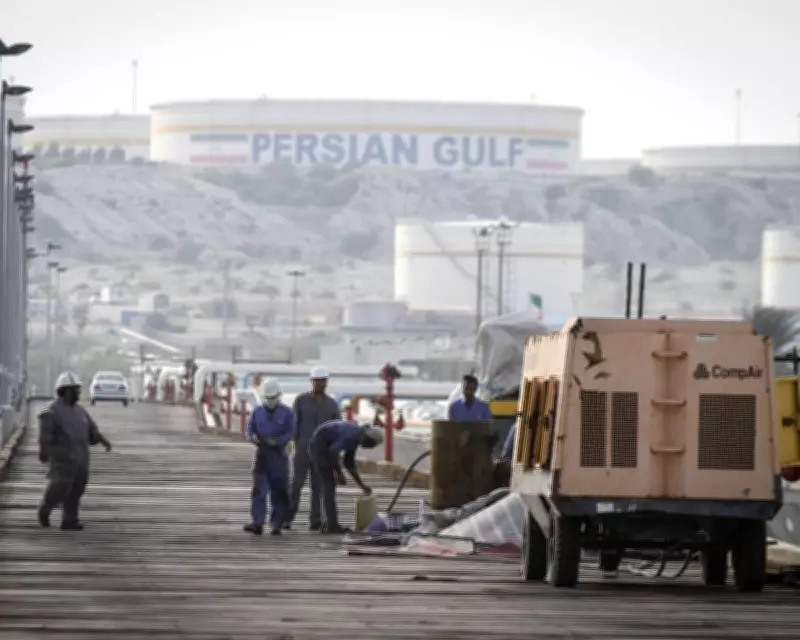
Kharg Island, a mere 20 square kilometers in size and located 25 kilometers from the Iranian city of Bushehr, serves as a critical oil terminal, exporting approximately 90% of Iran's oil through pipelines from nearby offshore fields. Any attempt to physically occupy this island would entail significant risks, potentially exposing American forces to Iranian drone and rocket attacks in a confined geographic area.
Iran heavily relies on revenue from fossil fuels, making Kharg Island a key strategic asset. Seizing it would almost certainly be met with fierce resistance, complicating any military operation.

Military Deployments and Contradictory Briefings
The Pentagon has deployed the 31st Marine Expeditionary Unit, a rapid-response force consisting of about 2,200 marines, to the Middle East. However, military officials have not disclosed specific missions for these troops, adding to the uncertainty surrounding US intentions.
These reports emerge amid contradictory briefings from the Trump administration and its Israeli allies, with plans appearing to shift almost daily. This reflects the challenges faced by administration officials as they grapple with a war whose consequences have spiraled beyond their control.
Escalating Regional Violence
The conflict showed no signs of de-escalation recently, with an Iranian drone attack striking a Kuwait refinery and US-Israeli forces targeting 16 Iranian cargo vessels in Gulf port towns. A local official from Hormozgan province reported that these vessels were completely burned in the fire, according to the Tasnim news agency.
Heavy explosions were also heard in Dubai as air defences intercepted incoming rockets during Eid al-Fitr celebrations. Additionally, Israel attacked Syrian government positions, following anonymous suggestions from US officials about disarming Hezbollah in eastern Lebanon.
This ongoing violence, spanning from Tel Aviv to the Caspian Sea, has contributed to soaring oil and gas prices and warnings of a spreading global economic shock, exacerbated by incoherent messaging from Washington.
Energy Infrastructure Attacks
Kuwait reported two waves of Iranian drone strikes hitting its Mina al-Ahmadi oil refinery, which can process about 730,000 barrels of oil per day and was already damaged in a previous attack. Iran intensified its assaults on energy sites in Gulf Arab states after Israel bombed Iran's massive South Pars offshore natural gas field.
South Pars, jointly owned with Qatar and crucial for Iran's electricity supply, faced a direct threat from the attack. In response, Iran launched over a dozen missile salvoes at Israel, further escalating the conflict.
Leadership Statements and Production Capabilities
In a rare statement, Iran's new supreme leader, Ayatollah Mojtaba Khamenei, who was reportedly wounded in initial US-Israeli strikes, emphasized that Tehran's enemies must have their "security" taken away. His remarks came after Israel killed Iran's intelligence minister, Esmail Khatib.
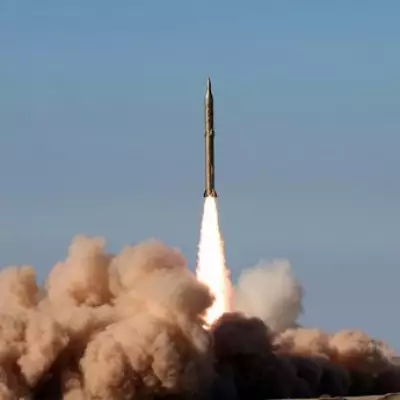
Israeli Prime Minister Benjamin Netanyahu claimed that Iran's ballistic missile production capability had been neutralized, but the Revolutionary Guards countered this, stating that missile production continues even under war conditions. A spokesperson, General Ali Mohammad Naini, who was later killed in an airstrike, highlighted the resilience of Iran's military efforts.
As the conflict approaches its fourth week, the region remains on edge, with significant implications for global energy markets and geopolitical stability.