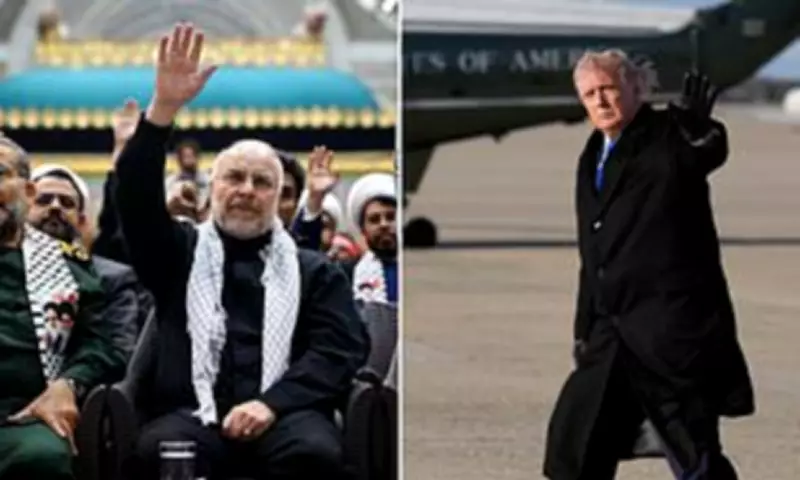
US Administration Reportedly Views Iranian Parliament Speaker as Potential Future Leader
The Trump administration is reportedly considering Mohammad Bagher Ghalibaf, the speaker of Iran's parliament, as a potential US-backed leader for the nation. This consideration persists despite Ghalibaf's repeated hostile statements toward the United States and his firm denial of any ongoing negotiations between the two countries.
Ghalibaf's Influence and Aggressive Stance
Mohammad Bagher Ghalibaf, aged 64, has held the influential role of parliament speaker since 2020. Following the death of Ali Larijani, the head of Iran's Supreme National Security Council, Ghalibaf reportedly assumed responsibility for making key strategic decisions, solidifying his position as a major power player within Iran's political landscape.
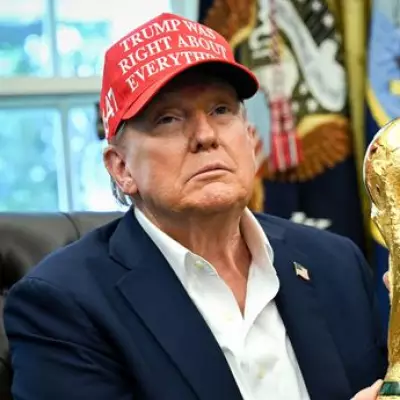
However, his public rhetoric has been consistently aggressive toward the United States. On Monday, after former President Donald Trump claimed the US had initiated negotiations with Iran, Ghalibaf issued a flat denial. He stated, 'Our people demand the complete and humiliating punishment of the aggressors. All officials stand firmly behind their Leader and people until this goal is achieved.'

He further dismissed Trump's claim as 'fake news' intended to manipulate financial and oil markets and to help America and Israel escape what he called their 'quagmire.'
US Interest and Sceptical Analysis
Despite this antagonism, reports from Politico indicate that the current US administration views Ghalibaf as a 'hot option' among potential future leaders for Iran. One administration official noted, 'He's one of the highest…But we got to test them, and we can't rush into it.' Ghalibaf is seen as a primary intermediary between the US and Iran.
The US strategy appears to draw parallels with its rapid support for Delcy Rodríguez in Venezuela following the deposing of Nicolas Maduro. An official suggested a similar framework for Iran, aiming to install a cooperative figure who would offer favorable deals, particularly regarding oil.
Analysts, however, express deep scepticism. Ali Vaez, a senior Iran analyst at the International Crisis Group, described Ghalibaf as 'a quintessential insider: ambitious and pragmatic, yet fundamentally committed to the preservation of Iran's Islamist order.' Vaez argued this makes him an unlikely candidate to offer Washington meaningful concessions and that Iran's military and security establishment would likely constrain any such attempts.
Regional Context and Denials
The Iranian foreign ministry, through spokesman Esmaeil Baqaei, acknowledged receiving messages from friendly countries about a US request for negotiations but firmly denied any talks had occurred. This aligns with Ghalibaf's public statements.
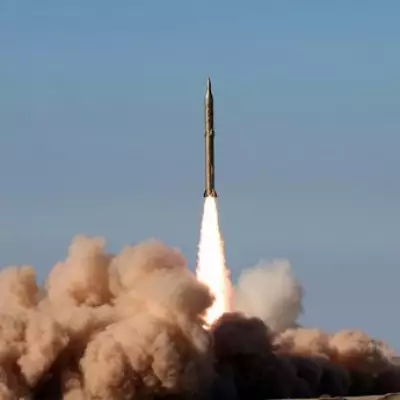
Israeli Prime Minister Benjamin Netanyahu confirmed speaking with Trump about a potential deal but vowed to continue military strikes against Iran and Lebanon to protect Israel. The conflict has seen significant escalation, with Iran retaliating against US-Israeli attacks by targeting the Strait of Hormuz, Gulf energy sites, US embassies, and Israeli targets.
Economic and Military Ramifications
The war has triggered a major energy crisis. Fatih Birol, head of the International Energy Agency, warned that a protracted conflict could cause an oil crisis worse than the 1970s shocks combined with the impact of Russia's invasion of Ukraine. Oil prices surged above $100 a barrel before tumbling sharply after Trump's announcements regarding possible talks.
Militarily, thousands of US Marines are deploying to the Middle East, fueling speculation about potential ground operations to seize Iranian oil assets or reopen the Strait of Hormuz. Trump has offered shifting war objectives, at times threatening Iran's power infrastructure and at others suggesting a wind-down.
Broader Conflict and Casualties
The war, which began on February 28, has expanded regionally. Israel has intensified its ground campaign in Lebanon against Iran-backed Hezbollah, with officials warning of 'weeks of fighting.' Lebanese authorities report over 1,000 deaths and more than a million displaced.

Casualty figures within Iran are also significant. According to the US-based Human Rights Activists News Agency, at least 3,230 Iranians have been killed, including 1,406 civilians. The conflict continues to pose a severe threat to regional stability and the global economy, with international leaders like British Prime Minister Keir Starmer cautiously welcoming reports of US-Iran talks while acknowledging the ongoing volatility.