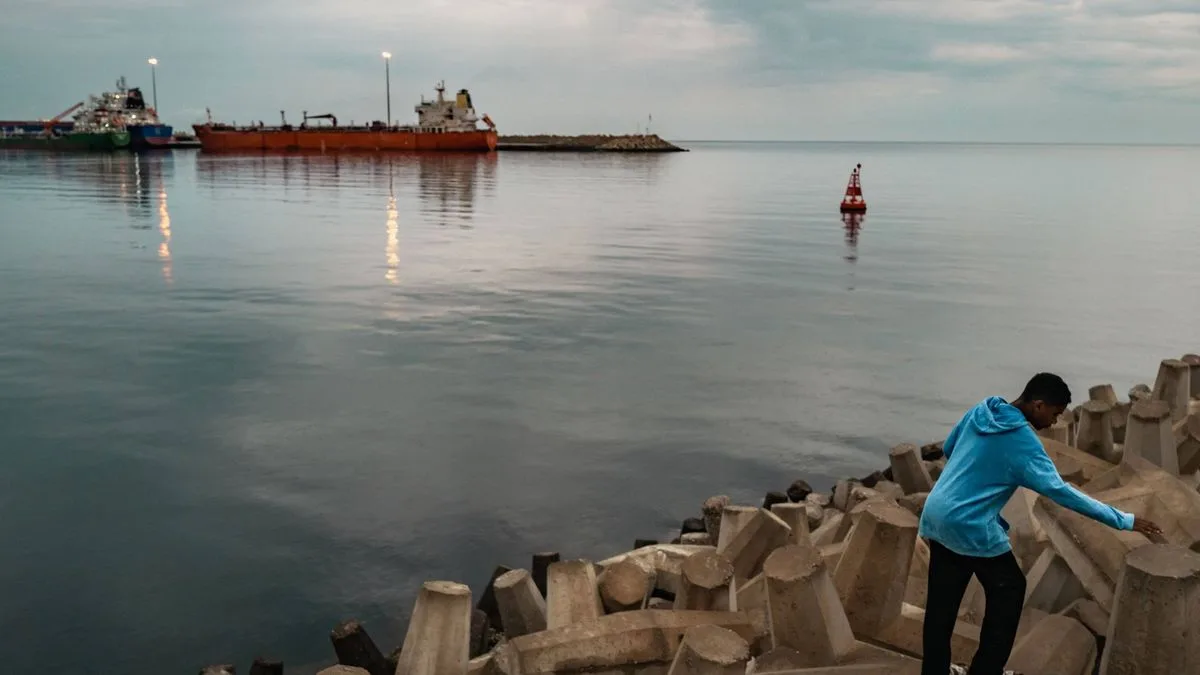
Two mysterious 'zombie' ships have been detected navigating the Strait of Hormuz, a vital maritime passage responsible for approximately one-fifth of global oil shipments. This development occurs as Iran maintains a blockade on the strategic waterway, intensifying the ongoing conflict with the United States that has now persisted for more than three weeks.
Escalating Tensions in the Persian Gulf
The Strait of Hormuz has emerged as a central flashpoint in the heightened hostilities between Iran and the United States. The current crisis was ignited on February 28th, when American and Israeli forces conducted joint strikes on multiple significant Iranian targets. In retaliation, Iran launched attacks across the Middle East, plunging the region into further instability and prompting Tehran to seal off this crucial trade artery.
Since the commencement of the conflict, maritime traffic through the strait has dramatically decreased. The blockade has severely disrupted the flow of oil, underscoring the waterway's importance as the sole exit from the Persian Gulf for tankers and commercial vessels.
Reports of Phantom Vessels
According to recent reports from the Australian news outlet news.com, a Japanese-owned liquefied natural gas tanker and a vehicle carrier have been observed moving in and out of the channel over the past week. These vessels are believed to have been officially decommissioned and scrapped for parts prior to the outbreak of hostilities, yet they appear to have re-emerged under mysterious circumstances.
A 'zombie ship' is defined as a vessel that operates using the identity of a ship that has been formally retired. Essentially, it is an active ship employing the alias of one that no longer exists, a tactic often utilized to evade international sanctions, transport illicit cargo, and bypass stringent safety and regulatory protocols.
Mounting Pressure on Iran
Iran is facing increasing international pressure to reopen the Strait of Hormuz, given its critical role in global energy markets. The blockade not only affects regional stability but also has far-reaching implications for worldwide oil supplies and economic security. The appearance of these ghost ships adds a layer of complexity to the already volatile situation, highlighting the challenges of maritime enforcement and sanction evasion in conflict zones.
The situation remains fluid, with ongoing monitoring of vessel movements and diplomatic efforts to resolve the standoff. The use of zombie ships underscores the lengths to which entities may go to navigate restricted waters amid geopolitical strife.