
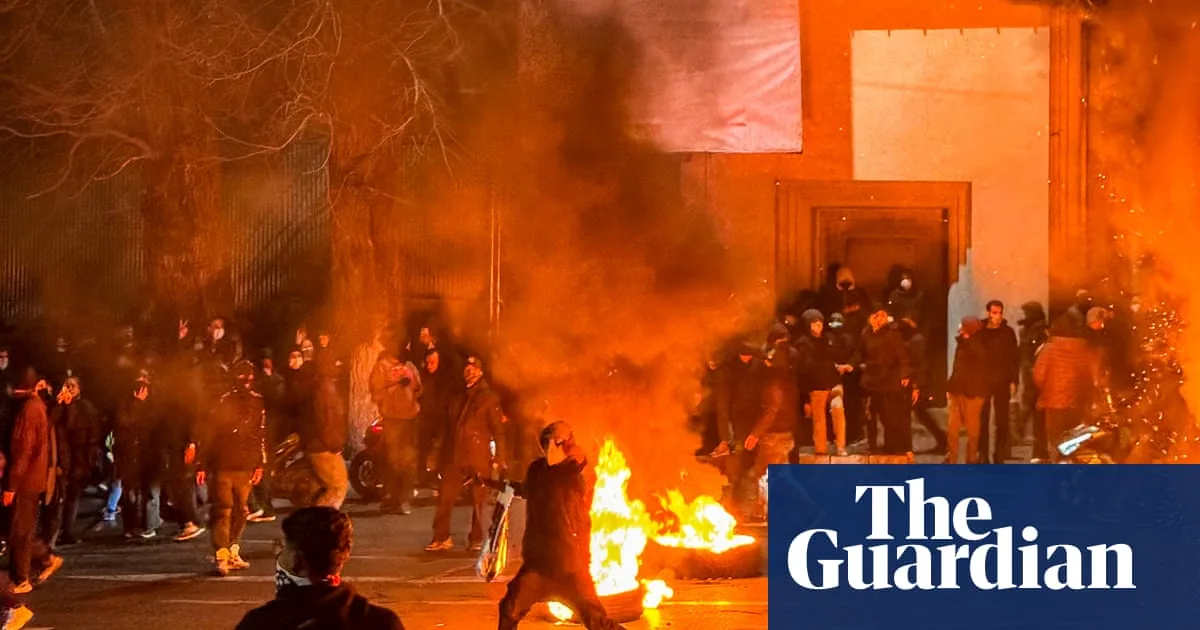
Iran has warned the United States not to launch an attack amid widespread protests, as the reported death toll from the demonstrations soared to at least 538, according to the US-based Human Rights Activists News Agency. The figure includes 490 protesters, with more than 10,600 people arrested. Another rights group, Norway-based Iran Human Rights, reported at least 192 deaths, though all figures are expected to be undercounts due to a complete internet blackout in the country.
The warning came after US President Donald Trump said the US stood ready to help protesters, and the Wall Street Journal reported that Trump was to be briefed on options including military strikes, cyber weapons, sanctions, and online support for anti-government sources. Iranian parliamentary speaker Mohammad-Bagher Ghalibaf responded by stating that Israel and US interests in the Middle East would be 'legitimate targets' if Washington struck Iran.
Iranian President Masoud Pezeshkian accused the US and Israel of fomenting unrest, claiming they had brought in 'terrorists' attacking public property. He urged families to keep their children away from 'rioters and terrorists', appearing to adopt a harder line against demonstrations. The government declared three days of national mourning for security forces killed, and called for a 'national resistance march' on Monday.
The protests, initially triggered by a currency collapse, have escalated into demands for political reform and government overthrow. Analysts say the unrest is significant due to the government's economic weakness and the aftermath of its summer war with Israel. Authorities have arrested key protest leaders, and the attorney general has warned that protesters could face charges of being 'an enemy of God', punishable by death.
US Senator Lindsey Graham echoed Trump's call, saying Iranians' 'long nightmare is soon coming to a close'. Israeli officials have been placed on high alert for any US intervention in Iran, as the situation remains tense.




