Global oil prices have tumbled to a three-month low and stock markets closed at a record high amid fresh hopes that a US-Iran peace deal could end the greatest energy supply crisis in history. The price of Brent crude dropped about 4% to around $83 (£62) on Monday, while wholesale gas prices fell 6% in Europe.
Wall Street rallied, with the Dow rising about 1% to hit a record high, and the Russell 2000 index of small US companies also reached a new high. In Europe, the UK's FTSE 100 opened up 0.8% before easing, while the French Cac 40 and German Dax rose over 1%. Shares in oil companies including BP and Shell fell sharply.
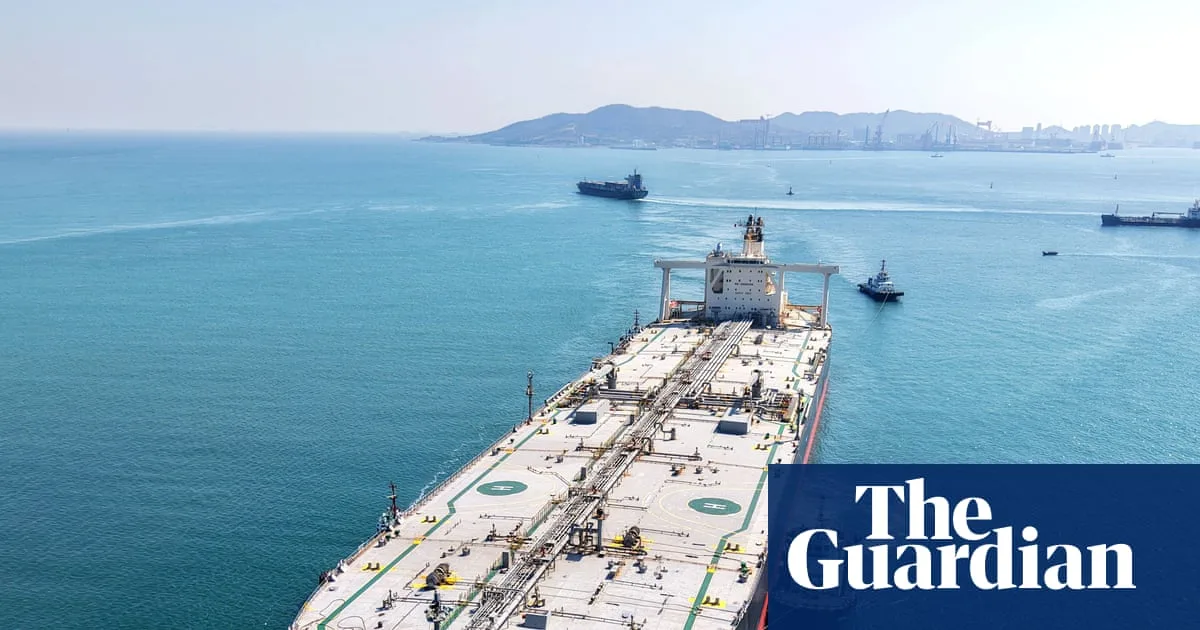
US President Donald Trump announced on social media: 'I hereby fully authorize the toll free opening of the Strait of Hormuz, and, simultaneously herewith, authorize the immediate removal of the United States Naval blockade. Ships of the World, start your engines. Let the oil flow!' He later clarified the strait would open after the peace deal is signed on Friday.
Many details of the agreement remain unclear, including the exact timing of the reopening, who will oversee safe passage, and any conditions. Iranian authorities have said there would be a 60-day negotiating period for a final deal tackling wider issues such as Tehran's nuclear programme and sanctions relief.
The oil price began falling late last week from $93 a barrel on Thursday to close at $87.50 on Friday after Trump said he was close to a peace deal. The benchmark international oil price extended falls to just over $82 a barrel, its lowest since 10 March. Brent crude was just below $73 at the outbreak of the war in late February.
Trump also claimed the US military had been secretly helping to move millions of barrels of oil a day through the strait in recent weeks. However, there are still 38 Japanese-linked vessels stranded in the channel, according to the Japanese Shipowners' Association, which said it wanted to wait for more concrete information before the pact is signed in Switzerland on 19 June.