US Seizes Maduro in Venezuela Coup: Global Order Shattered, 3 January 2026
US Captures Maduro in Venezuela, Triggering Global Crisis

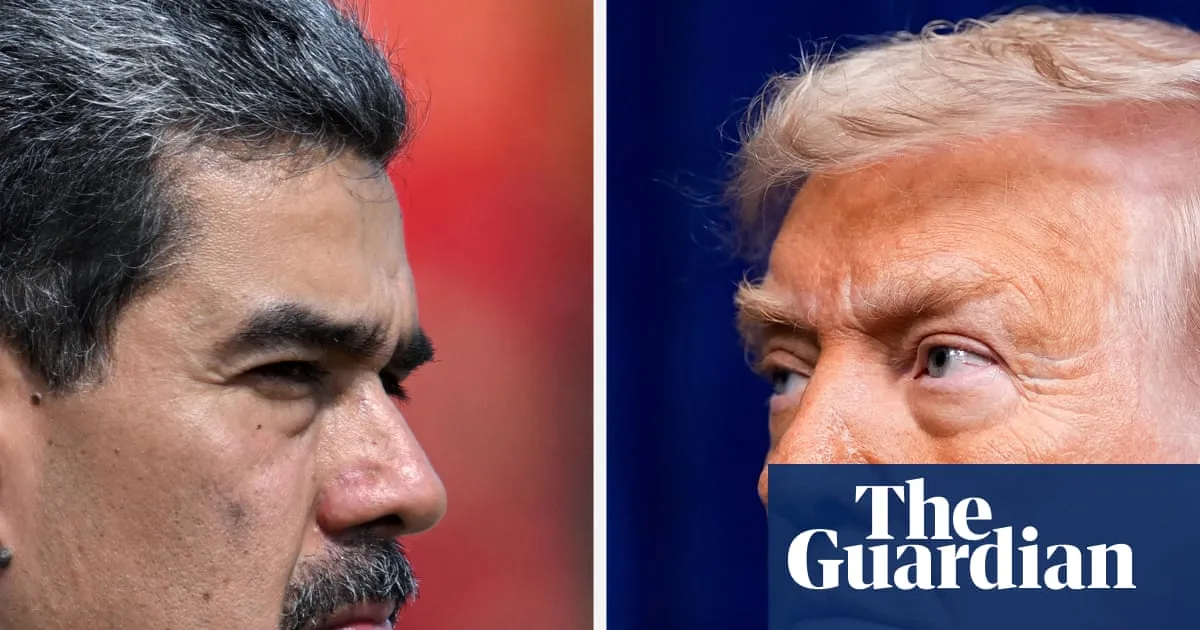
The foundational rules of the post-war international order were effectively torn up on 3 January 2026, when United States forces captured Venezuelan President Nicolás Maduro and his wife, Cilia Flores, in Caracas. The operation, ordered by President Donald Trump, has installed US authority over the South American nation in what analysts are describing as a naked coup d'état, conducted with startlingly little diplomatic or legal pretext.

A New Doctrine of Unchecked Power

The immediate rhetoric from Washington abandoned any pretence of multilateral justification. US Defence Secretary Pete Hegseth bluntly stated, "America can project our will anywhere, any time." President Trump was equally direct, announcing the US would now "run Venezuela" to secure its oil resources. The charges levelled against Maduro, including "narco-terrorism," were widely seen as a thin veneer for an act of raw imperialism.

This stands in stark contrast to past interventions, such as the Iraq war, where significant effort was expended to build a case—however flawed—within the framework of international security. The Venezuela operation, by contrast, is a pure assertion of power, celebrated on social media with montages casting Trump as a "gangster in chief." The message is unambiguous: US actions are not subject to due process or a higher law.

The Global Response: A Chorus of Timid Acquiescence

The international reaction has done little to challenge this new reality. Global leaders have largely responded with carefully hedged, non-committal statements that normalise the extraordinary. UK Labour leader Keir Starmer said the situation was "fast moving" and he would "establish all the facts," even as Maduro was paraded in Brooklyn. EU Commission President Ursula von der Leyen and foreign policy chief Kaja Kallas issued generic calls for respect for international law while "monitoring the situation."

British Foreign Secretary Yvette Cooper exemplified the contradictory stance, tweeting that the UK "support[s] international law" while simultaneously rejecting Maduro's legitimacy and failing to name the US as the violator of that very law. This tepid diplomacy, avoiding direct condemnation of Washington, effectively grants a green light to unilateral force.

Unleashing a World of Predators

The consequences of this failure to uphold norms are immediate and severe. The coup shreds the last vestiges of a deterrent against land grabs and regime change. It provides a potent template for other ambitious powers. Vladimir Putin's doctrine for Russia now finds a mirror in Washington, lending a perverse validity to his actions in Ukraine. China, conducting military drills around Taiwan, will be watching closely.

Furthermore, the action destabilises an already volatile global landscape. In the Middle East, tensions between Saudi Arabia and the United Arab Emirates are escalating. Trump has already threatened further strikes amid protests in Iran, raising the spectre of more US-led regime change. The precedent set in Caracas invites every regional power with military and financial strength to "test the waters."

The silence and hedging from Western capitals are not acts of prudent caution but of profound cowardice and historical illiteracy. By refusing to plainly state that a fundamental rule has been broken—even if powerless to reverse it—they contribute to the erosion of the very settlement that has maintained a fragile global peace. As Secretary Hegseth might put it, the world is now collectively "effing around" and will, inevitably, "find out." The fences are down, and the era of unchecked predation has begun.