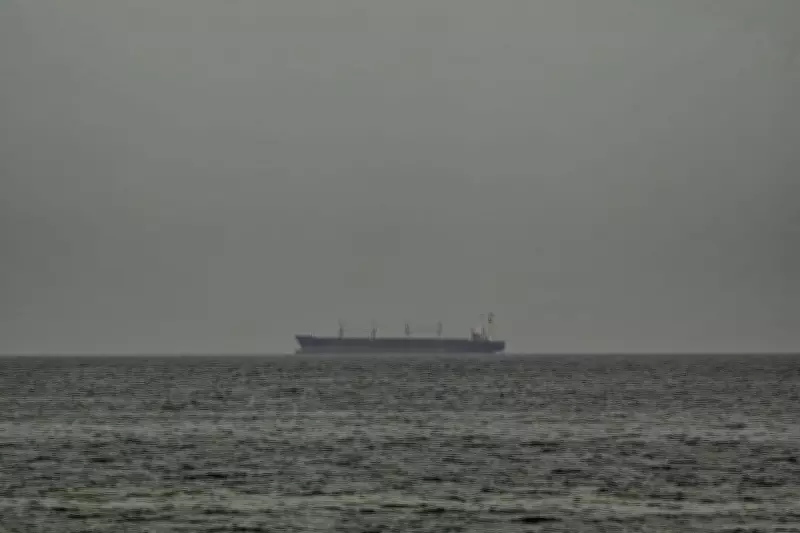
US Initiates Naval Blockade of Iranian Ports, Warns All Vessels Face Capture
The United States has commenced a comprehensive naval blockade targeting all ships entering and exiting Iranian ports, following an explicit warning that "all vessels" are at risk of diversion and capture. This decisive military action, announced by US Central Command (CENTCOM) on Monday, marks a significant escalation in regional tensions and underscores Washington's firm stance against Tehran's maritime activities.
Blockade Details and Enforcement Measures
In a formal note issued to seafarers, CENTCOM declared that the blockade will be enforced in the Gulf of Oman and the Arabian Sea, specifically east of the strategically vital Strait of Hormuz. The directive applies universally to all vessels, irrespective of their national flag, with any ship entering or departing the blockaded area without proper authorisation facing immediate "interception, diversion and capture."
The blockade encompasses the entirety of the Iranian coastline, including but not limited to ports and oil terminals, effectively severing Iran's direct maritime access for commercial and military purposes. However, CENTCOM clarified that neutral transit passage through the Strait of Hormuz to or from non-Iranian destinations will not be impeded, ensuring global oil shipments can continue unimpeded through this critical chokepoint.

Humanitarian Exemptions and International Response
Despite the stringent restrictions, humanitarian shipments containing essential goods such as food and medical supplies will be permitted entry, albeit subject to thorough inspection protocols. This concession aims to mitigate the impact on civilian populations while maintaining pressure on Iranian authorities.
Internationally, the blockade has garnered mixed reactions. NATO and key US allies, including the United Kingdom, have explicitly refused to participate in the enforcement operations. The United Kingdom Maritime Trade Operations agency confirmed that "access restrictions are being enforced affecting Iranian ports and coastal areas," applying without distinction to vessels of any flag engaging with Iranian facilities.
Background and Diplomatic Context
The blockade follows failed weekend negotiations between US and Iranian delegations in Islamabad, which Vice President JD Vance described as reaching an impasse due to Iran's unwillingness to accept US terms. Tehran characterized the talks as "full of mistrust and suspicion," highlighting the deep-seated tensions between the two nations.
Key points of contention include US demands for Iran to immediately reopen the Strait of Hormuz and abandon its uranium enrichment capabilities, both of which Tehran has vehemently rejected. These talks represented the highest-level diplomatic engagement between the US and Iran since the 1979 Islamic Revolution, yet neither side indicated any plans for future dialogue.
Economic and Strategic Implications
Amid reports that Tehran has been charging vessels up to $2 million for passage through the Strait of Hormuz, former US President Donald Trump issued a stark warning on Sunday, stating that the US Navy would "interdict" any ship that had paid such tolls to Iran. "No one who pays an illegal toll will have safe passage on the high seas," he asserted, reinforcing the blockade's economic dimensions.
This development poses significant risks to regional stability and global energy markets, given Iran's historical control over the Strait of Hormuz, a conduit for approximately one-fifth of the world's oil shipments. The blockade's enforcement will likely test maritime security protocols and could provoke retaliatory measures from Tehran, further complicating an already volatile geopolitical landscape.