The United States has for the first time endorsed a broad coalition of Ukraine's allies in pledging security guarantees, including binding commitments to support Kyiv in the event of a renewed Russian attack. The pledge was made at a Paris summit of the 'coalition of the willing,' comprising mainly European nations, aimed at reassuring Ukraine ahead of a potential ceasefire with Russia.
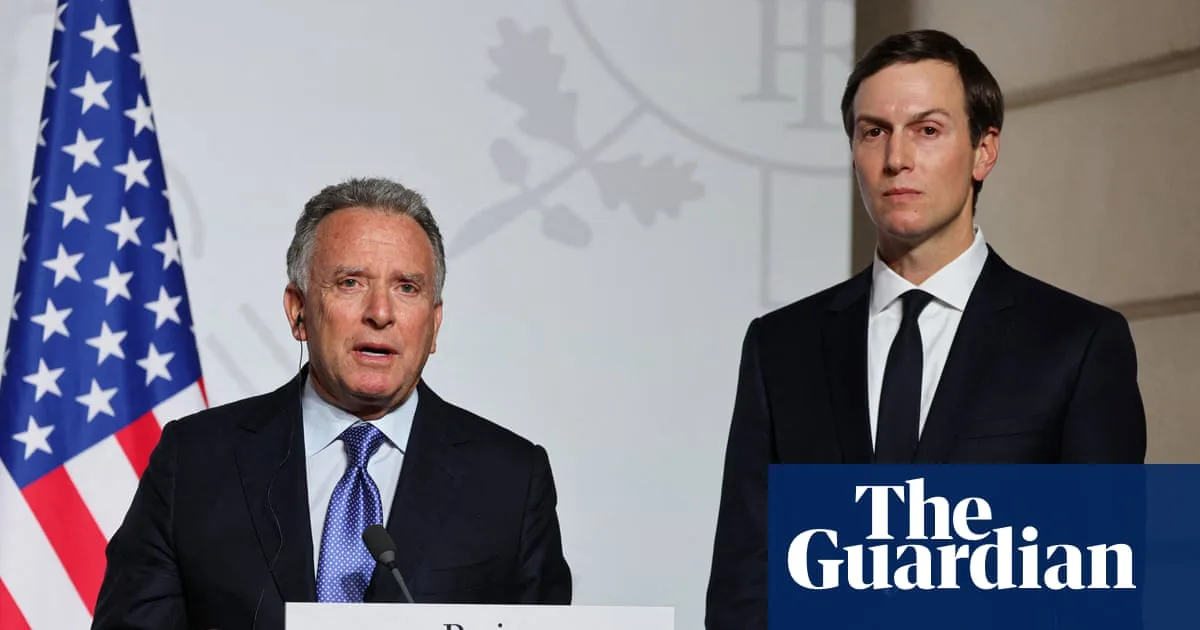
The summit was attended by US envoys Steve Witkoff and Jared Kushner, as well as America's top general in Europe. Witkoff stated that President Donald Trump 'strongly stands behind security protocols' designed to deter and defend against any future attacks on Ukraine. He added that allies have 'largely finished' agreeing on these guarantees, though territorial issues remain problematic.
Britain and France have declared readiness to deploy troops to Ukraine after a peace deal, a significant commitment that has been under discussion for months. French President Emmanuel Macron said 'several thousand' French soldiers could be deployed to maintain peace following a ceasefire agreement. A coalition statement also indicated allies would participate in a US-led ceasefire monitoring mechanism involving drones, sensors, and satellites, but not US troops.
Ukrainian President Volodymyr Zelenskyy welcomed the agreements, calling them 'a signal of how seriously Europe and the entire coalition of the willing are ready to work for real security.' He noted that concrete content includes a joint declaration by coalition countries and a trilateral declaration by France, Britain, and Ukraine, though monitoring and financing details remain to be determined.
Russia has given no public sign of accepting a peace deal with such security guarantees, having previously rejected any NATO troops inside Ukraine. President Vladimir Putin, attending a Russian Orthodox Christmas service, hailed his troops' 'holy mission' to defend Russia. Meanwhile, a Ukrainian drone attack caused fires at an oil depot in Russia's Belgorod region, with no casualties reported.