
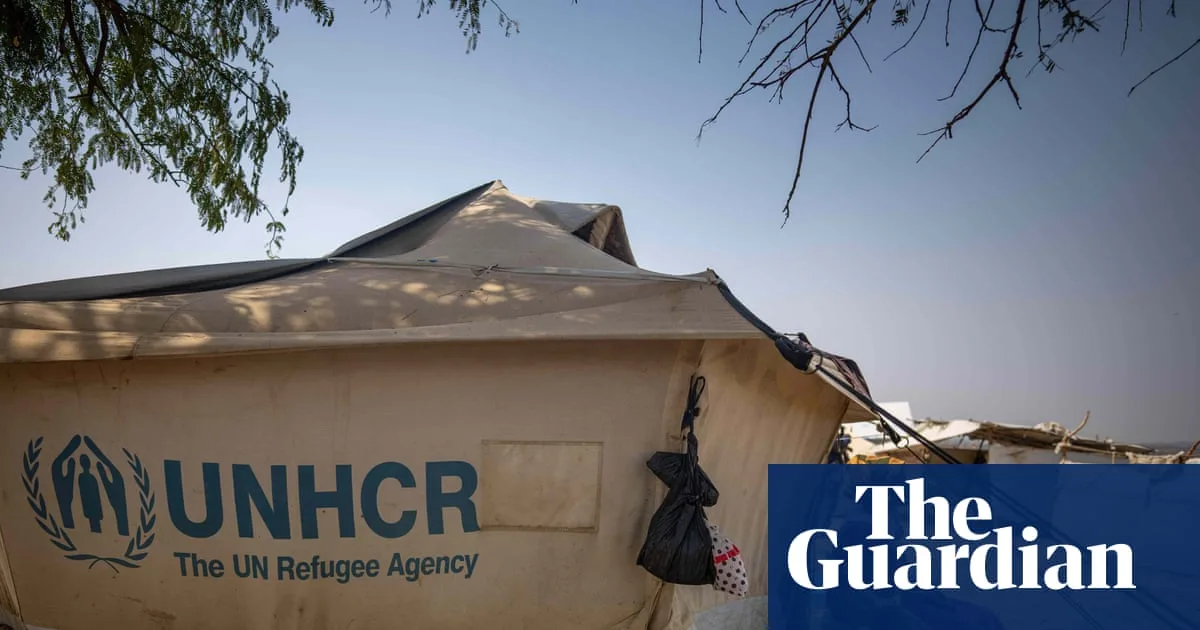
The United Nations is set to cut $500 million from its core budget and reduce its workforce by 20 per cent following a sharp decline in funding from the Trump administration. The plan, which has been under development since President Donald Trump began reducing foreign aid, will likely result in at least 3,000 job losses from the UN's main workforce of 35,000. The core budget will fall from $3.7 billion to approximately $3.2 billion next year, representing a 15.1 per cent reduction in resources and an 18.8 per cent cut in posts compared with the 2025 budget.
The reductions to the core budget do not include cuts to peacekeeping, humanitarian, and health agencies. Last year, UN Secretary-General António Guterres launched an ambitious 'pact for the future' covering artificial intelligence and sustainable development. However, his options are limited as US antagonism towards the UN remains entrenched. US Secretary of State Marco Rubio has claimed that the postwar global order is 'not just obsolete, it is now a weapon being used against us.'
Guterres is using the funding crisis to review bureaucratic growth, which has led to overlapping mandates and duplication. The process, known as UN80, is led by Under-Secretary-General Guy Ryder. An interim update in August highlighted that many UN agencies created during periods of plenty have overlapping mandates, confused accountability, and outdated working methods. The report noted that 'geopolitical shifts and substantial reductions in foreign aid budgets are challenging the legitimacy and effectiveness of the organisation.'
Through a programme called Mandates UN, all agencies have been asked to justify their existence and relationship to other entities. The aim is to streamline agencies into three pillars: peace and security, human rights, and development. Some agencies and staff will be blended or shrunk. For example, the relationship between the UN High Commissioner for Refugees and the International Organization for Migration, or between UNAids and the World Health Organization, is under scrutiny.
Solutions so far include creating administrative hubs in New York and Bangkok, consolidating payroll into a single global team, relocating functions from high-cost duty stations, and vacating some leased buildings in New York. However, more measures will be needed as the impact of US withdrawal from multilateralism deepens. The US has already left the Human Rights Council, UNFPA, WHO, and Unesco, and further cuts are expected next year. Major changes are being demanded of the International Labour Organization.




