UN Expert Francesca Albanese Sued Over Criticism of Trump-Era Sanctions
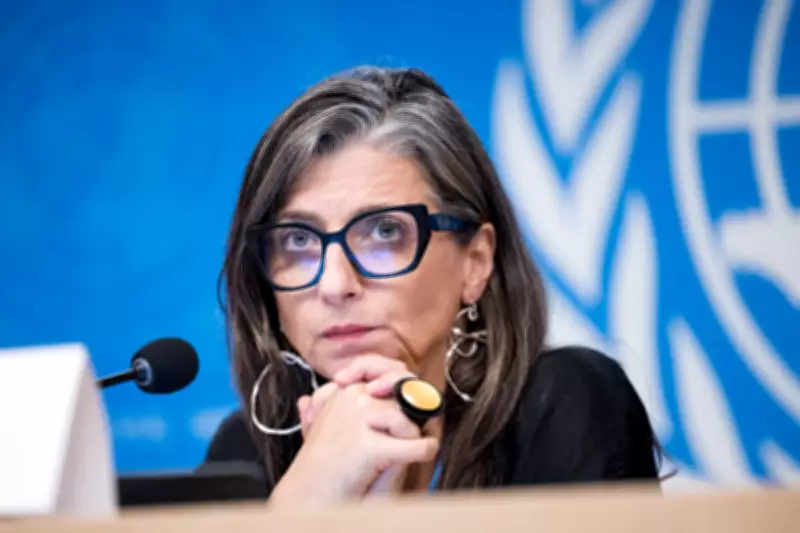
Francesca Albanese, a United Nations special rapporteur, is facing a legal lawsuit in response to her public criticism of sanctions imposed by the United States during the administration of former President Donald Trump. The case has ignited a significant debate concerning the boundaries of free speech for international officials and the enforcement of global legal standards.
Details of the Legal Action
The lawsuit, filed in a US court, alleges that Albanese's remarks, made in her capacity as a UN expert, were defamatory and misrepresented the nature and impact of the sanctions. These sanctions, which targeted various countries and entities, were a cornerstone of Trump's foreign policy, aimed at exerting economic pressure to achieve diplomatic objectives.
Albanese, who serves as the UN Special Rapporteur on the situation of human rights in the Palestinian territories, argued in her statements that the sanctions violated international law and disproportionately harmed civilian populations. Her critique highlighted concerns over humanitarian consequences and potential breaches of UN resolutions.

Broader Implications for International Discourse
This legal challenge raises critical questions about the immunity and freedom of expression afforded to UN officials when commenting on state policies. Experts in international law suggest that the case could set a precedent, potentially chilling future critiques by UN rapporteurs and other global actors.
The lawsuit also touches on the ongoing tensions between national sovereignty and international oversight, particularly in the context of US foreign policy under Trump. Supporters of Albanese contend that her comments are protected under principles of academic and professional freedom, essential for upholding human rights and accountability.
Reactions and Next Steps
Reactions to the lawsuit have been mixed, with human rights organizations rallying behind Albanese, while proponents of the sanctions defend their legality and necessity. The UN has not issued an official statement, but sources indicate internal discussions are underway regarding legal support and diplomatic responses.
As the case progresses, it is expected to draw attention from legal scholars, policymakers, and activists worldwide, underscoring the complex interplay between law, politics, and human rights on the global stage.