The United Nations' highest court will on Monday begin a landmark set of hearings to determine whether Myanmar is responsible for genocide against its Rohingya Muslim minority. The long-awaited proceedings at the International Court of Justice (ICJ) in The Hague represent a pivotal moment for international justice.
The Case and Its Origins
The case was initiated in 2019 by The Gambia, a West African nation, which argues that a brutal military "clearance operation" in 2017 in Myanmar's Rakhine State violated the 1948 Genocide Convention. Myanmar, now under full military control, has consistently denied the allegations of state-sponsored genocide.
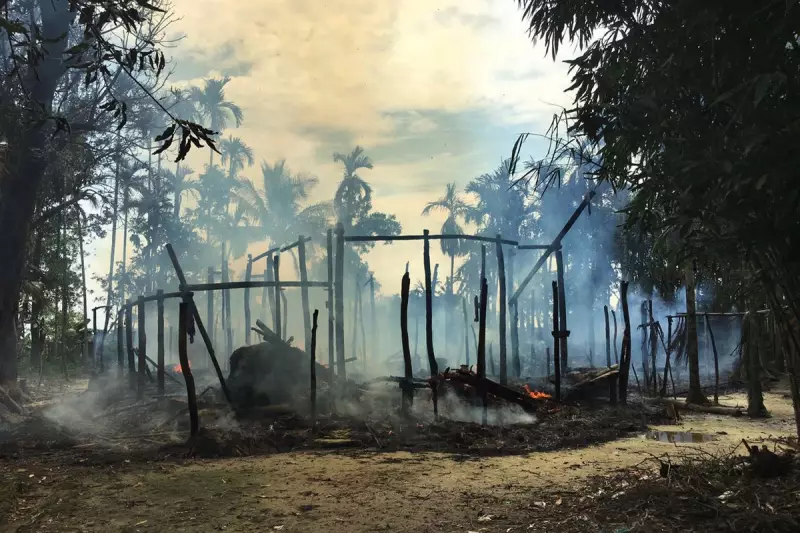
Gambia's legal team, led by lawyer Paul S. Reichler, previously argued that without ICJ intervention, the Myanmar military "will be accountable to no one" in its persecution of the Rohingya. The 2017 crackdown, launched after an attack by a Rohingya insurgent group, saw security forces accused of mass rape, killings, and the burning of thousands of homes. This violence forced more than 700,000 Rohingya to flee to neighbouring Bangladesh.

A Humanitarian Crisis and Legal Battles
Today, approximately 1.2 million Rohingya live in dire conditions in overcrowded camps. Reports detail a desperate situation where armed groups recruit children and girls as young as 12 are forced into prostitution. The crisis was exacerbated in 2025 by severe foreign aid cuts, which shuttered thousands of camp schools and led to reports of children starving to death.
Myanmar initially defended itself at the ICJ in 2019 through its then-leader, Aung San Suu Kyi. The Nobel Peace Prize laureate denied genocide, framing the exodus as a tragic consequence of counter-insurgency. Suu Kyi is now imprisoned following a military coup. Myanmar also contested the court's jurisdiction, claiming The Gambia was not directly involved in the conflict. However, in 2022, judges rejected this argument, noting both nations are signatories to the Genocide Convention, allowing the case to proceed.
Broader Implications for International Law
The outcome of this case is being closely watched, as it has already influenced other international legal actions. The court's 2022 decision on jurisdiction paved the way for South Africa's case accusing Israel of genocide in Gaza, which Israel vehemently denies.
International law expert Juliette McIntyre told the Associated Press that the ICJ's final decision in the Myanmar case will directly impact the South African one. "The legal test for genocide is very strict but it is possible the judges broaden the definition," she stated. McIntyre added that such proceedings, while lengthy, are crucial for victims as they "validate their experiences" and support other legal avenues.
A finding of genocide by the ICJ would significantly bolster a separate, ongoing investigation at the International Criminal Court (ICC). In 2024, the ICC's chief prosecutor requested an arrest warrant for Myanmar's military leader, Senior General Min Aung Hlaing, for crimes against the Rohingya—a request still pending.
For the Rohingya community, the hearings offer a glimmer of hope. Lucky Karim of Refugee Women for Peace and Justice called the case "a beacon of hope for hundreds of thousands of people like myself that our plight for justice will not go unheard."