A Danish parliamentarian and former minister has delivered a compelling case to Westminster politicians, urging the United Kingdom to establish a permanent diplomatic consulate in Greenland. This call comes amidst ongoing geopolitical tensions sparked by former US President Donald Trump's apparent desire to acquire the vast Arctic territory.
Strengthening Arctic Alliances
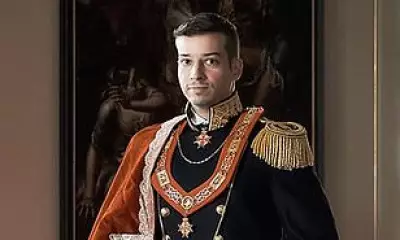
Rasmus Jarlov, who chairs the Danish parliament's defence committee, addressed a Westminster Hall event organised by the All-Party Parliamentary Group on the Polar Regions. He emphasised that creating a permanent British consulate in Greenland would be "very positive" for international relations in the strategically important region.
Countering American Dominance
"The Greenlanders want connections to the rest of the world, and they don't want to be isolated," Mr Jarlov told the gathering. "They don't want to be dealing only with the Americans. The Americans have so far had pretty much a monopoly on a foreign presence in Greenland, and it's important that it is opened up to other countries."

His intervention comes at a sensitive diplomatic moment, following weeks of tension between the United States and its traditional European allies over Mr Trump's renewed interest in annexing Greenland. The semi-autonomous territory remains under Danish sovereignty and represents a crucial NATO ally in the strategically vital Arctic region.
Following International Examples
The Danish MP pointed to recent moves by other nations to strengthen their diplomatic presence in Greenland, noting that Canada is preparing to open a new consulate in Nuuk next week, while France is expected to establish its own diplomatic mission in February.
"The Canadians just opened one just few days ago, and the French are doing it – I'm saying that because I know that will provoke you doing it – so please give that a thought," Mr Jarlov told British parliamentarians, employing strategic persuasion to encourage diplomatic competition among allies.
Current UK Presence and Official Position
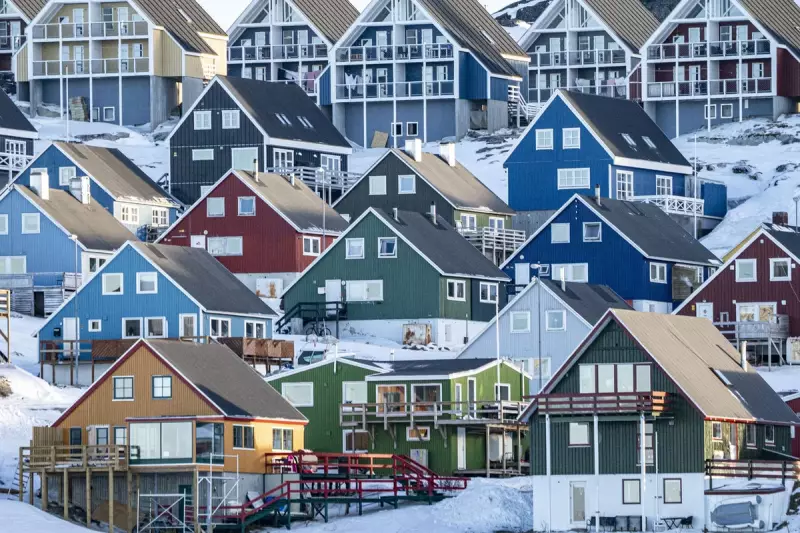
Currently, the United Kingdom maintains only an honorary consul in Greenland's capital Nuuk, with the Government managing consular services primarily from the Danish capital Copenhagen. According to sources familiar with the matter, the Foreign Office position on Britain's diplomatic presence in Greenland remains unchanged despite these recent developments.
The call for enhanced diplomatic ties comes as NATO nations increasingly focus on the so-called "High North" region, where melting ice caps are opening new shipping routes and revealing significant natural resources.
Broader Security Concerns
During the same APPG meeting, which marked the revival of the parliamentary group after being defunct since before the 2024 general election, Mr Jarlov also addressed broader security concerns. He revealed that Denmark was "as upset" as Britain by Mr Trump's suggestions that NATO allies had stayed back from front-line duties in Afghanistan.
"But we also have not spent that much energy on it," he added, "because we've been fully-focused on getting something constructive out of the Greenland talks."
No solid details have yet emerged regarding any potential deal between the United States and Denmark concerning access to Greenland, according to information shared at the parliamentary gathering.
Parallel Diplomatic Developments
In related developments, Prime Minister Sir Keir Starmer held discussions with his Swedish counterpart Ulf Kristersson on Tuesday afternoon. A Downing Street spokesperson confirmed that the leaders "agreed on the need to step up security in the High North and across Europe to deter threats posed by adversaries such as Russia."
The diplomatic conversation also covered the ongoing situation in Ukraine, with both leaders underlining "the importance of ensuring Ukraine has the long term security assurances and continued international support it needs to secure a just and lasting peace."
This renewed focus on Arctic security and diplomatic presence reflects growing recognition of Greenland's strategic importance in an increasingly contested polar region, where climate change and geopolitical competition are creating new challenges and opportunities for international relations.