The British government is currently resisting significant pressure from the United States to formally designate Iran's powerful Islamic Revolutionary Guard Corps (IRGC) as a terrorist organisation. This stance comes amidst a severe crackdown on anti-regime protests within Iran, which activists claim has resulted in hundreds of deaths and thousands of arrests.
US Pressure and UK Reluctance
Officials from Donald Trump's State Department have explicitly urged the UK to join them in labelling the IRGC's paramilitary wing. A spokesman described the potential move as "merely stating the obvious," characterising Tehran as the "world's leading state sponsor of terror." The US argues that Britain should add to international pressure on the Iranian regime during a critical period for its people.
However, when questioned, Cabinet Minister and Business Secretary Peter Kyle declined to commit to the step. He emphasised that the UK "already used the sanctions against Iran to the full extent we can" and suggested that formally branding the IRGC as terrorists was not currently deemed "appropriate" by the government.

Global Protests and Mounting Casualties
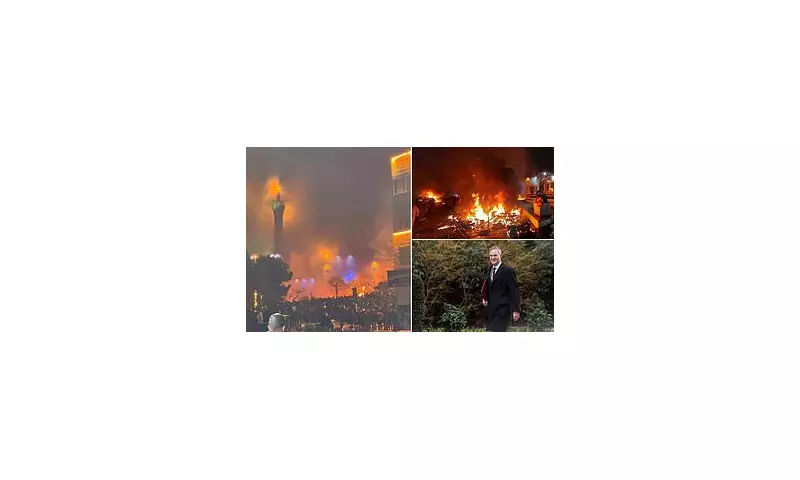
The diplomatic discussion unfolds against a backdrop of global demonstrations and alarming reports from within Iran. On Sunday, thousands of people marched through the streets of London in solidarity with protesters in Iran, where nationwide unrest has been met with a violent response from security forces.
According to the US-based Human Rights Activists News Agency, the death toll from the suppression has reached at least 538 people. Furthermore, the group claims that more than 10,600 individuals have been detained by the authorities.
UK Government's Stated Position
Minister Kyle reiterated the government's focus on supporting the Iranian people, stating they were "looking very closely about how we can support people in Iran." He underscored that "a state has a duty to protect people who are protesting" and that the right to protest is a fundamental right.
When asked about potential UK assistance to circumvent Iran's internet blackout, Kyle declined to comment on specific security matters. He concluded by asserting that the government has been "really careful to be as strident as we possibly can in support of Iranian people who want change in Iran." The UK's position remains one of applying maximum diplomatic and economic pressure through existing sanctions frameworks, while stopping short of the terrorist designation sought by its American allies.