UK's First Repatriation Flight from Oman Grounded as Pilot 'Needed Rest'
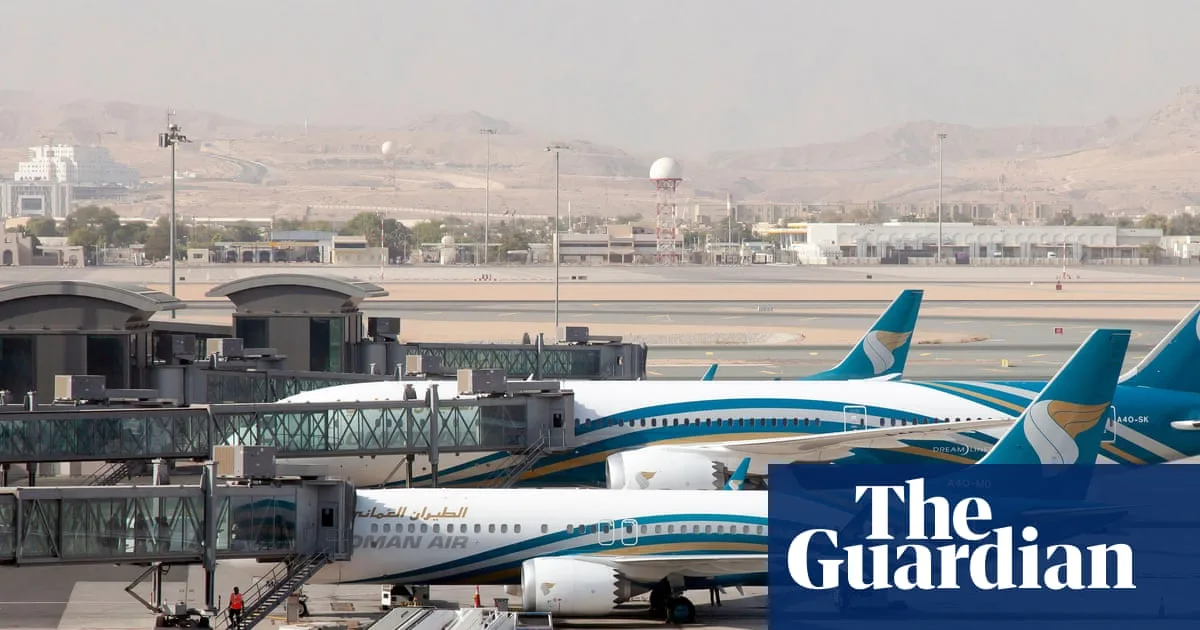
The inaugural UK government mercy flight for stranded British nationals in the Middle East was branded a 'total s***show' after it failed to depart from Oman on Wednesday night. The aircraft, chartered by the Foreign Office to evacuate citizens from the region, was grounded because the pilot had exceeded his allowable flying hours and required mandatory rest, according to frustrated passengers who had paid for their seats.
Chaotic Scenes at Muscat Airport
The flight was scheduled to leave Muscat, Oman's capital, at 11pm local time (7pm UK time) on Wednesday, marking what would have been the first official repatriation effort by the UK since the recent Middle East conflict escalated. However, the operation descended into disarray. One anonymous passenger described a four-hour check-in process plagued by technical issues, followed by a prolonged wait on a bus without any consular staff present to provide guidance or updates.
'People started getting very agitated, banging windows, having panic attacks,' the passenger told Sky News. 'There are dozens and dozens of vulnerable people, young children, and families. The stress this has caused is incredibly serious.' After being returned to the terminal without explanation for an hour, passengers were informed that the delays had caused the pilot to 'clock his hours' and necessitated rest. They were subsequently taken to a hotel, with the flight now expected to depart on Thursday.
Broader Evacuation Efforts and Passenger Frustrations
Since the conflict between Iran, the US, and Israel began last Saturday, over 130,000 British nationals in the Gulf have registered with the UK government for assistance in leaving the region. Airports, initially closed following Iranian attacks, have begun reopening with heavily restricted air traffic. Those eligible for government flights are required to pay for their seats, adding to the tension.
Foreign Office officials reported that 138,000 British nationals in the Gulf have registered their presence, with 112,000 located in the United Arab Emirates (UAE). Sir Keir Starmer informed MPs that eight commercial flights were scheduled to depart from the UAE on Wednesday. Meanwhile, British Airways has organised additional flights from Muscat to London Heathrow, though these are now fully booked, with the airline considering extra services if possible.
Individual Cases Highlight Systemic Issues
Poppy Cleary, 27, who was stranded in Muscat after her flight from Singapore was diverted, expressed frustration after paying £350 and receiving no communication. 'I registered, I paid the £350 and then I never heard back,' she told the BBC. The British Embassy in Oman clarified that the first flight was prioritised for individuals from 'unsafe countries' like the UAE, Kuwait, Bahrain, and Qatar, rather than those diverted to Oman, leaving Cleary and others in limbo.
Contrast with Other Nations' Successes
In stark contrast to the UK's difficulties, Spain and Austria successfully evacuated their citizens from the region. Spanish nationals were pictured boarding a military repatriation flight in Oman on Wednesday, while Austria's Foreign Minister welcomed evacuees arriving in Vienna. These successes underscore the challenges faced by the UK in coordinating its response amid the ongoing crisis.
The Foreign Office has been contacted for comment regarding the grounded flight and the broader evacuation strategy. As the situation evolves, the UK government faces mounting pressure to ensure the safe and efficient repatriation of its citizens from the volatile Middle East region.




