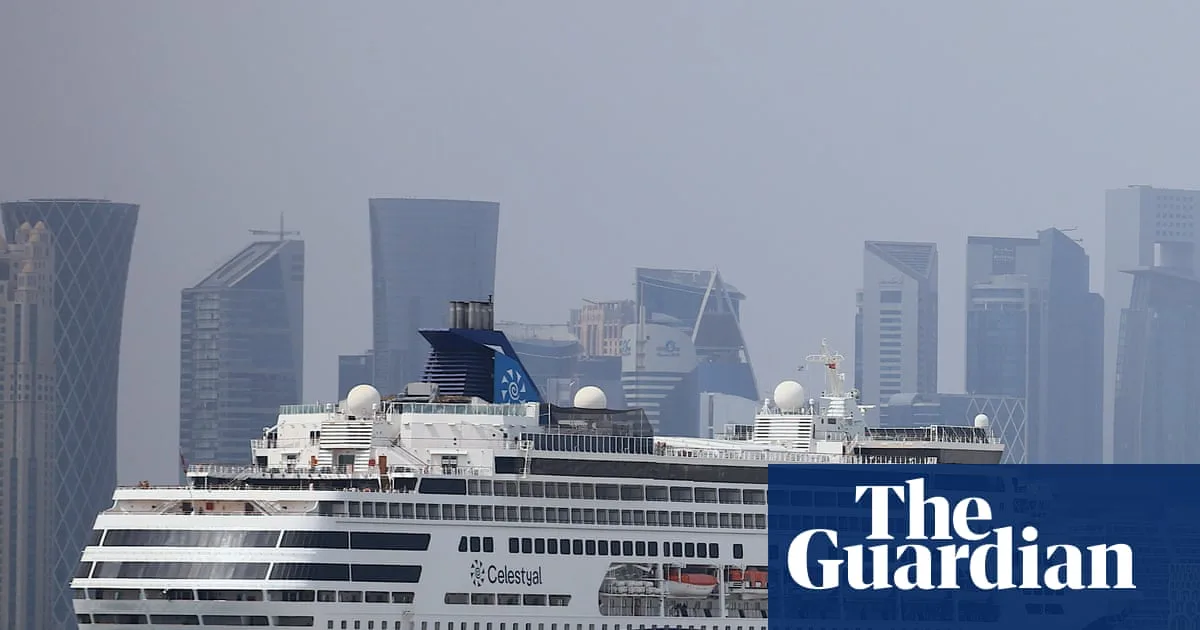
UK Launches Unprecedented Gulf Support Operation Amid Iranian Strikes
UK Mounts Major Gulf Operation for Stranded Nationals

UK Launches Unprecedented Gulf Support Operation Amid Iranian Strikes

The United Kingdom has mounted a major and unprecedented consular operation to support hundreds of thousands of British nationals currently stranded across the Gulf region. This decisive action comes as Iranian missile strikes continue to destabilise the area, creating a volatile security situation.

Urgent Registration and Evacuation Planning

British citizens located in Bahrain, Israel, Palestine, Qatar, and the United Arab Emirates have been urgently instructed to register their presence with the Foreign Office through an online portal. More than 76,000 individuals, predominantly based in the UAE, have already completed this registration process.

This registration scheme, which the government has previously utilised during international crises to provide urgent updates, is currently handling an unprecedented volume of registrations across multiple countries simultaneously.

Foreign Office officials are understood to be actively developing contingency plans for potential evacuation routes, particularly should airspace across the Gulf region remain closed indefinitely. However, British nationals are currently being advised to remain where they are, follow local authority instructions, and monitor the Foreign Office's rapidly evolving travel advice.

Diplomatic Efforts and Regional Impact

The extensive consular operation is being spearheaded by Foreign Secretary Yvette Cooper and minister Hamish Falconer. Their efforts coincide with the second day of US and Israeli combat operations against Iran, which began following the death of Supreme Leader Ayatollah Ali Khamenei in an airstrike on Saturday morning.

Iran has vowed devastating retaliation, launching missile attacks against neighbouring countries and US military targets. Israeli authorities report nine civilian fatalities in Beit Shemesh near Jerusalem, while the US Central Command confirms three American service members killed and five severely wounded on Sunday.

Defence Secretary John Healey revealed that approximately 300 UK troops were within "a few hundred yards" of an Iranian strike on a base in Bahrain. Additionally, two missiles were fired toward Cyprus, where thousands of UK personnel are stationed, though the government believes these were not deliberately targeted at British bases.

Political Responses and International Stance

Prime Minister Sir Keir Starmer has communicated with regional leaders to express solidarity against what he termed "dangerous Iranian escalation." Meanwhile, Foreign Secretary Cooper has engaged in intensive diplomatic discussions with regional counterparts, US Secretary of State Marco Rubio, and other G7 foreign ministers.

The UK government has explicitly stated it played no role in the initial strikes against Iran but has commenced defensive operations, including intercepting Iranian drones over northern Iraq. While Britain, alongside France and Germany, has condemned Iran's retaliatory actions, ministers have carefully avoided explicitly endorsing or condemning the joint US-Israeli attack.

When questioned repeatedly about whether the UK supported the strikes or considered them legal, Defence Secretary Healey declined to provide direct answers, instead emphasising that "Britain played no part in the strikes on Iran" while affirming the shared allied objective of preventing Iran from obtaining nuclear weapons.

Criticism from Across the Political Spectrum

The government's cautious positioning has attracted criticism from both left and right political opponents. Green Party leader Zack Polanski condemned the attacks as "illegal and unprovoked," accusing the government of undermining international law.

Conversely, Conservative shadow foreign secretary Dame Priti Patel argued the government should have been "more proactive" in supporting the strikes, questioning why British bases were not utilised and whether the US requested permission to use facilities like Diego Garcia in the Indian Ocean.

The government has thus far declined to confirm whether such requests were made, maintaining its focus on the unprecedented consular operation supporting British nationals across the increasingly unstable Gulf region.




