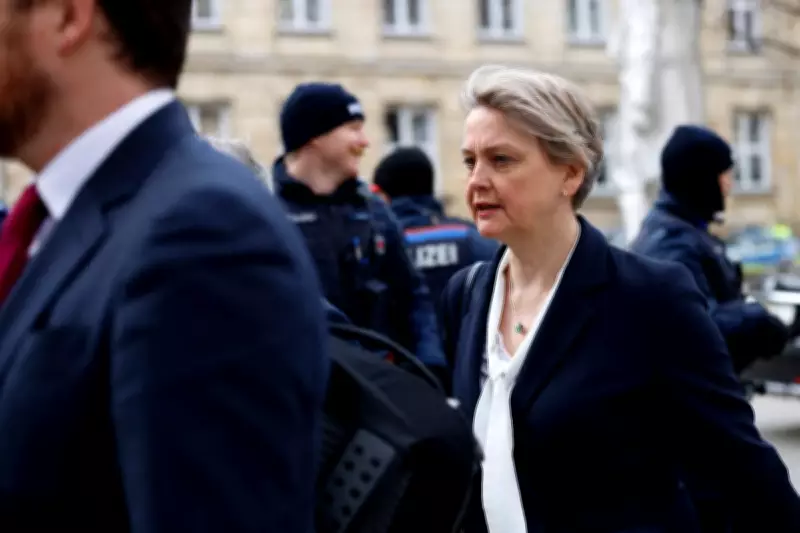
Foreign Secretary Yvette Cooper has indicated that Britain and its international allies could introduce new sanctions against the Russian regime in the wake of revelations surrounding the poisoning of opposition leader Alexei Navalny. This potential move forms part of a broader coordinated response to Russia's ongoing invasion of Ukraine, with Cooper emphasising the critical role of global partnerships in maintaining pressure on Moscow.
Navalny Poisoning and Synthetic Production Concerns
Cooper highlighted that the poison used to kill Alexei Navalny can be produced synthetically, a detail that underscores the sophistication and premeditation behind the attack. This revelation has intensified calls for accountability, with the Foreign Secretary suggesting it strengthens the case for further punitive measures against the Kremlin. The accusations directly blame Russian authorities for Navalny's death, which has sparked international condemnation and renewed scrutiny of Russia's actions both domestically and abroad.
Coordinated International Action
The UK is actively considering co-ordinated action with European and global allies, which may include increased sanctions as a key component. Cooper stressed the importance of these international partnerships in ensuring a unified and effective response to Russia's aggression in Ukraine. By leveraging collective diplomatic and economic tools, Britain aims to amplify the impact of any new measures, thereby sustaining pressure on the Russian regime to alter its course.

Commitment to Navalny's Legacy
In her statements, Cooper referenced Alexei Navalny's steadfast belief in 'telling the truth' and affirmed the UK's dedication to continuing this work in his memory and for his widow. This commitment extends beyond mere rhetoric, as it informs the strategic approach to foreign policy, including sanctions and diplomatic efforts aimed at holding Russia accountable for human rights abuses and violations of international law.
Context of the Ukraine War
The potential sanctions are framed within the broader context of Russia's invasion of Ukraine, which has already prompted widespread international sanctions. Cooper's remarks suggest that the Navalny revelations could catalyse additional measures, reinforcing the UK's stance against Russian aggression. This aligns with ongoing efforts to support Ukraine and deter further escalations, with sanctions serving as a critical tool in the geopolitical toolkit.
As the situation evolves, the UK's deliberations on new sanctions reflect a proactive stance in addressing both immediate conflicts and long-term strategic challenges posed by Russia. The emphasis on synthetic poison production and Navalny's legacy underscores the multifaceted nature of this response, blending security concerns with moral imperatives.