Britain has finally granted approval for the construction of a new Chinese embassy in London, concluding a protracted seven-year standoff that has strained diplomatic relations between the two nations. The decision marks the end of a complex saga involving planning disputes, local opposition, and high-level diplomatic interventions.
A Controversial Beginning
The plans for what has been termed a Chinese 'mega-embassy' were first approved by the Conservative government in 2018. China announced its intention to build the new diplomatic complex on the former site of the Royal Mint in London, having purchased the land for approximately £250 million. The proposed embassy would replace China's main diplomatic premises in Portland Place, which has served as the country's embassy since 1877.
Chinese officials argued that the current facilities were inadequate, with diplomats spread across multiple buildings in London to accommodate staff working on science, defence, culture, and visa services. The new embassy was designed to consolidate these operations into a single, expansive complex.

Local Opposition Emerges
In June 2021, China submitted detailed redevelopment plans to Tower Hamlets Council in east London. The proposal outlined an embassy with a footprint of about 55,000 square metres, which would become China's largest diplomatic mission in Europe. The complex was planned to include offices, housing for diplomats and staff, along with commercial spaces, consular services, and educational and cultural centres.
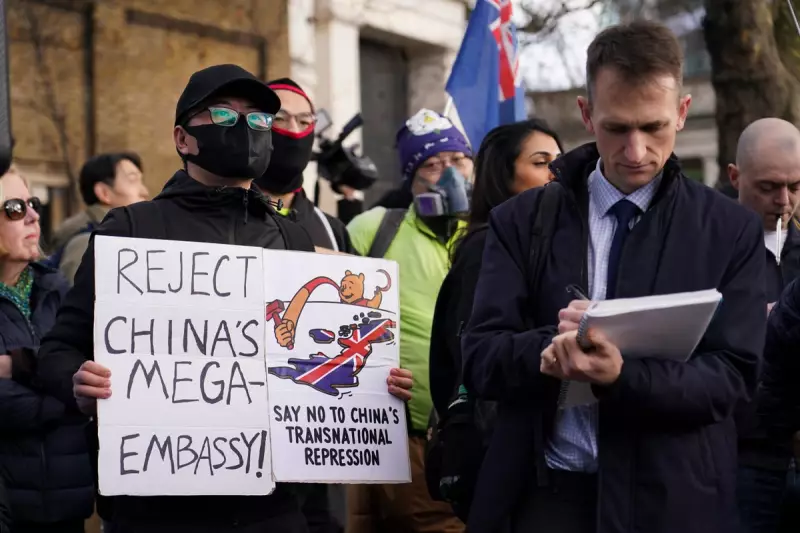
The project encountered significant resistance in December 2022 when Tower Hamlets Council unexpectedly refused planning permission. While unelected planning officers had accepted the plans, local elected councillors overruled them following a meeting. Councillors sided with residents who expressed concerns about potential protests at the site and raised objections regarding China's treatment of Uyghur Muslims, a particularly sensitive issue in an area of east London with a substantial Muslim population.
Diplomatic Tensions Escalate
The situation developed into a full diplomatic standoff in August 2023 when China paused its embassy plans after missing a deadline to appeal the local council's decision. Sources indicated at the time that China would only resubmit its application if it received assurances of British government intervention. Concurrently, British officials suggested that London's plans to rebuild its embassy in Beijing could be affected in a tit-for-tat response unless China was permitted to relocate its London embassy.
The political landscape shifted in July 2024 when, just two weeks after Keir Starmer's Labour Party achieved one of the largest parliamentary majorities in recent history, China resubmitted its planning application to the local government. The following month, Chinese President Xi Jinping raised concerns about the stalled embassy approval directly with Prime Minister Starmer during their first telephone conversation.
Government Intervention and Delays
In October 2024, the British government invoked special powers to take control of the planning decision, citing the application's controversial nature and national significance. This triggered a formal planning inquiry, with the final determination resting with the government rather than local authorities.
During the G20 summit in Brazil in November 2024, Starmer publicly assured Xi that his government would make the final decision on the embassy approval after the Chinese president raised the matter directly. By January 2025, following the planning inquiry's request for evidence, both the British foreign and interior ministers had indicated their support for the project.
However, further delays ensued in August 2025 when the government postponed its decision, citing blacked-out sections in China's planning application. Over subsequent months, the ruling was pushed back twice more due to slow responses from British ministries, coinciding with ministerial criticism over the collapse of a trial involving men accused of spying for Beijing.

Final Approval with Security Assurances
In January 2026, the British government finally approved the embassy plan, emphasising that national security remained its "first duty" and confirming that intelligence agencies had been involved throughout the entire process. The decision brings to a close a seven-year diplomatic impasse that has complicated efforts to repair relations between Britain and China, while highlighting the intricate balance between local planning concerns, diplomatic priorities, and national security considerations in major international projects.