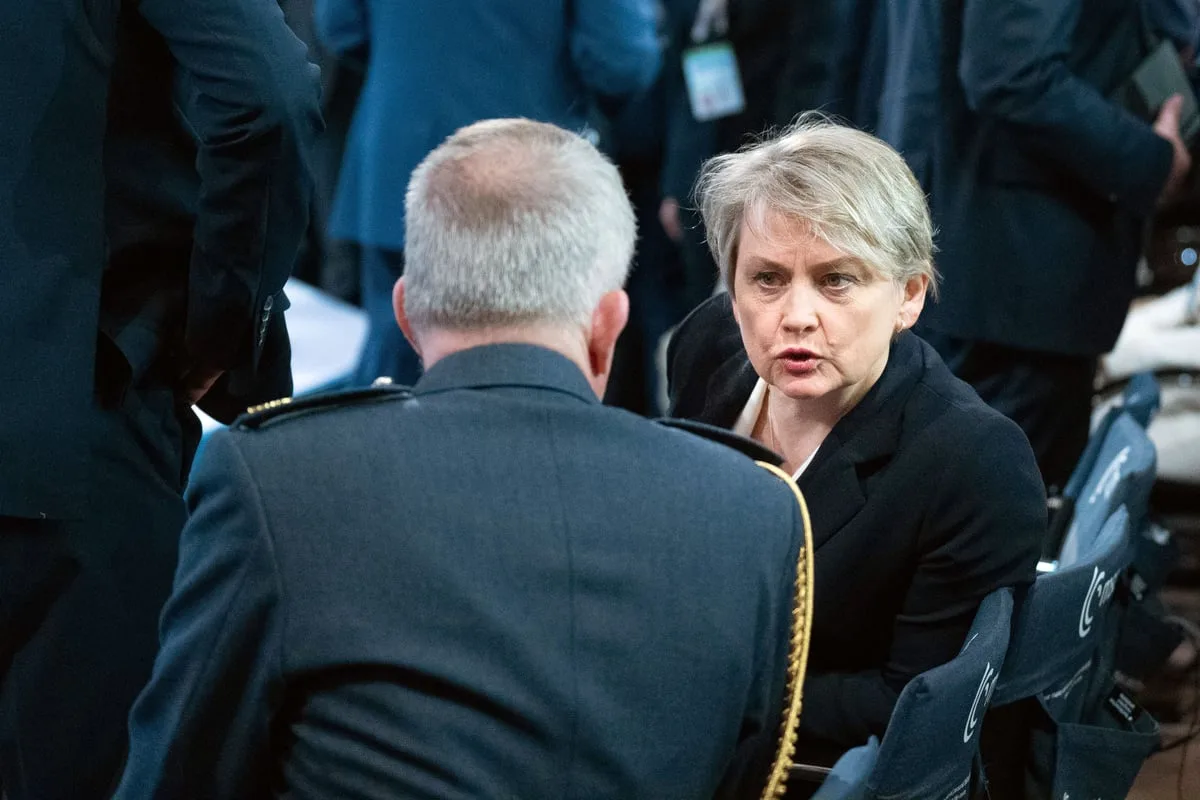
UK and Allies Blame Russia for Navalny Poisoning, Threaten New Sanctions
UK and Allies Blame Russia for Navalny Poisoning

UK and European Allies Accuse Russia of Navalny Poisoning

Foreign Secretary Yvette Cooper has indicated that new sanctions against Moscow could be imposed following revelations that the Russian state was responsible for the poisoning of opposition leader Alexei Navalny. The UK, alongside four European allies, formally attributed blame for Navalny's death to the Kremlin, alleging he was likely poisoned using a toxin derived from wild dart frogs.

International Condemnation and Evidence

On Saturday, the Foreign Office, in coordination with Sweden, France, Germany, and the Netherlands, issued a statement marking two years since Navalny's death in a Siberian penal colony. Analysis of samples from Navalny's body detected Epibatidine, a toxin produced by dart frogs native to South America. The allies asserted there is no innocent explanation for its presence, as it is not found in Russia and typically only exists in the wild.

In response, the Russian embassy in London denied any involvement, dismissing the announcement as "feeble-mindedness of Western fabulists." During an interview on the BBC's Sunday With Laura Kuenssberg programme, Cooper countered these claims, emphasizing the gravity of the accusation. "The statement that we made yesterday shows that we have the evidence," she stated, defending the findings as deeply serious.

Wide Pickt banner — collaborative shopping lists app for Telegram, phone mockup with grocery list

Potential Sanctions and Diplomatic Actions

When questioned about consequences for Russia, Cooper hinted at coordinated measures, including increased sanctions. "We continue to look at co-ordinated action, including increasing sanctions on the Russian regime," she told the BBC. She linked this to broader efforts against Russia's invasion of Ukraine, noting the upcoming fourth anniversary of the conflict. Cooper underscored the importance of international partnerships, saying, "We believe that it is the partnerships that we build abroad that make us stronger at home."

Reflecting on Navalny's legacy, Cooper added, "One of the things he said was 'tell the truth, spread the truth', because that is the most dangerous weapon of all. He is no longer able to do that, but that is why we are continuing to do that for him, and for his widow as well."

Broader Geopolitical Concerns

Meanwhile, senior Conservative Dame Priti Patel warned of an "axis of authoritarianism" confronting the UK and other Western nations. In a speech ahead of the Munich Security Conference, she highlighted threats from Russia, China, North Korea, and Iran. Patel affirmed that the USA remains a "natural ally" and partner for European powers in addressing these challenges.

Russian Embassy's Rebuttal

The Russian embassy issued a strong denial, questioning the credibility of the findings. "There is no reason whatsoever to credit such 'findings' by Western 'experts'," the statement read. It compared the case to the Skripal incident, citing "strident accusations, media hysteria, zero evidence." The embassy criticized what it called "necro-propaganda," accusing Western politicians of mocking the dead and preventing Navalny from resting in peace.

The five European nations have already reported Russia to the Organisation for the Prohibition of Chemical Weapons, alleging breaches of conventions. As tensions escalate, the international community watches for further sanctions and diplomatic moves in response to these allegations.

Pickt after-article banner — collaborative shopping lists app with family illustration




